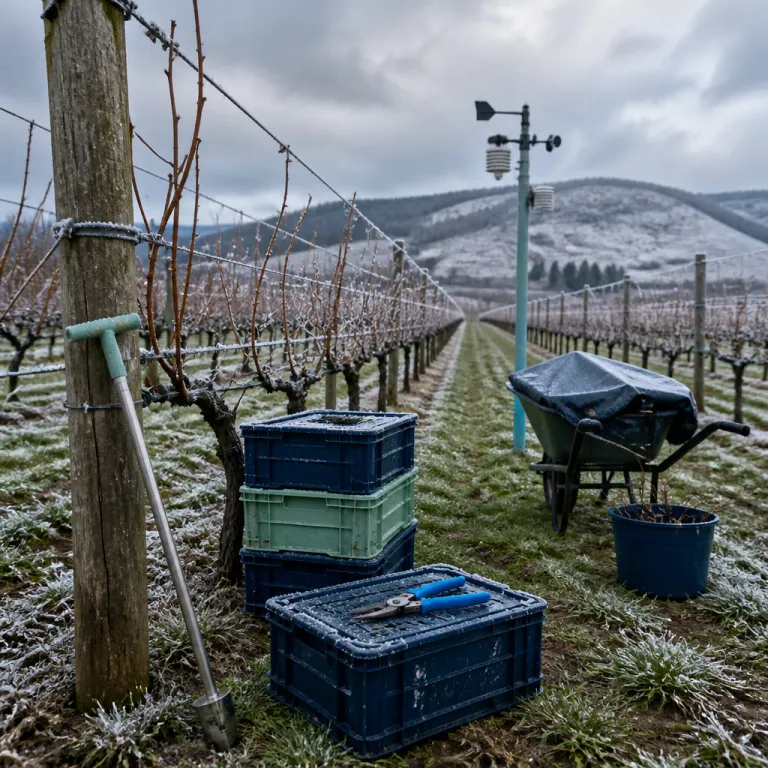
The quiet luxury of Chile wine tasting in winter off-season
Chile in winter feels made for couples who like their wine with silence. When you plan Chile wine tasting in the winter off-season, you trade harvest spectacle for something rarer: time and access in a country where vineyards usually run at full speed. For travelers used to crowded summer weekends in any famous wine country, the calm of June to August in Chile’s valleys is a revelation.
Across the valley landscapes around Santiago, from Maipo to Casablanca, many of the best estates now design winter wine tours around heated lounges and candlelit barrel rooms. According to Chile’s national tourism service SERNATUR, more than 200 wineries across the country currently receive visitors, and many have added cold-season programs with guided wine tours, gastronomic menus and private tastings.1 As one official winter campaign explains without hesitation: “Is winter a good time to visit Chilean vineyards? Yes, for unique, cozy experiences.”
Weather shapes everything here, and winter weather in central Chile is cool, damp and atmospheric rather than harsh. That makes this season one of the best times for slow travel between wine regions, with clear days revealing snow on the Andes while you move from one wine tour to the next. Couples who visit Chile in this period often comment that the shorter time between tastings and check-in at their hotel creates a natural rhythm for romantic stays.
From a practical perspective, winter is the best time to secure premium rooms at properties that sell out quickly in summer. In Maipo, just forty five minutes south of Santiago by car, luxury lodges such as Viña Santa Rita’s Casa Real or the boutique retreat at Viña Haras de Pirque pair Chilean wine flights with fireplaces and long baths, turning each time you visit the cellar into part of a wider ritual. Many local concierges now curate Chile winter wine itineraries that combine two or three wine regions in one trip, with private drivers and flexible check out times.
Casablanca, Maipo and Colchagua valley: winter routes from Santiago
For couples basing themselves in Santiago, winter is the best time to visit nearby valleys without traffic or tasting room queues. A classic weekend Chile wine itinerary starts in the Maipo wine region, continues to Casablanca Valley for coastal whites and finishes in the Colchagua Valley for structured reds. Each valley offers different weather, different wines and a different rhythm, yet all sit within comfortable driving time of the capital.
Maipo is Chile’s historic wine country, and its proximity to Santiago makes it ideal for a first wine tour in the country. Here, Chilean wine producers focus on Cabernet Sauvignon, with winter cellar tours often including comparative tastings of different parcels and autumn–winter barrel samples. Many estates now run appointment-only wine tours in the off-season, which means more time with a local expert guide and space to ask detailed questions about Chile wine and its aging potential.
From Maipo, couples can travel west to the Casablanca Valley, a cool-climate wine region shaped by the Pacific. This valley is the best place near Santiago to taste Sauvignon Blanc and Chardonnay, with winter weather bringing misty mornings and luminous afternoons over the vines. Several wineries, including Viña Casas del Bosque and Viña Matetic, keep their gastronomic restaurants open all season, pairing tasting menus with flights of wines that show how the same grape behaves across multiple wine regions in South America.
Further south, the Colchagua Valley rewards those who extend their visit beyond a single night. This region is known for Carmenère and Syrah, and in winter many estates such as Viña Montes or Viña Viu Manent offer blending workshops alongside traditional wine tasting sessions. “In July we finally have time to sit with guests and open older vintages,” one Colchagua winemaker explained during a recent visit, “so tastings become real conversations rather than quick stops.” For couples planning a deeper immersion in Chilean wine, Colchagua’s lodges often integrate spa rituals and vineyard views; you can explore a detailed perspective on such properties in our guide to Chilean terroir driven fine dining and stays, which connects high end gastronomy with nearby vineyards.
Carménère, gastronomy and hotel pairings in Chile’s wine regions
Carménère is the grape that quietly defines Chile wine for many serious drinkers. Once mistaken for Merlot, it now anchors the identity of several wine regions, especially the Colchagua Valley and parts of the Maule region further south. Winter is the best time to taste Carménère in depth, because winemakers have more time to host vertical tastings and explain how weather and soil shape each vintage.
In central Chile, couples can design Chile wine tasting winter off-season itineraries that revolve around Carménère and food. Many estates collaborate with local restaurants to offer multi course menus where each dish highlights a different style of Chilean wine, from bright Casablanca whites to dense Colchagua reds. The official tourism guidance underlines this shift toward gastronomy by noting: “What activities are available during winter vineyard visits? Indoor tastings, gourmet meals, guided tours.”
Luxury hotels have followed this movement, weaving wine tours into their seasonal packages and positioning themselves as gateways to the surrounding wine country. In Santiago, high end properties in Las Condes and Vitacura curate private transfers to Maipo and Casablanca, then bring guests back for refined Santiago food experiences for luxury travelers. South of the capital, vineyard lodges in the Colchagua Valley and Maule region often include a guided wine tour, a cellar dinner and late checkout in their autumn–winter offers.
For couples who like to compare wine regions across South America, winter in Chile also fits neatly between trips to Argentina or even South Africa. You can visit Chile for a week focused on Carménère and Cabernet, then plan another visit to Mendoza for Malbec or to Stellenbosch for Cape blends. The key is to let each country’s season guide your travel, using the quieter Chilean winter season to secure the best suites and the most attentive wine tours.
Designing a winter wine itinerary: logistics, weather and where to stay
Planning Chile wine tasting in the winter off-season starts with understanding distances and weather. Central Chile is long and narrow, but the main wine regions near Santiago sit within a band of two to three hours by car. That makes it easy to combine Maipo, Casablanca Valley and the Colchagua Valley in one trip, even if you only have limited time.
Most couples fly into Santiago, spend one or two nights in a city hotel, then travel south or west with a private driver. Winter weather in the central region is cool, with daytime temperatures often between 8 and 15 degrees Celsius and occasional rain, so dress warmly and pack layers for vineyard tours. Official tourism data from SERNATUR indicates a double digit percentage increase in winter wine tourism over the past decade, driven partly by Brazilian visitors who appreciate the contrast with their own summer at home.2
Beyond the central valleys, some travelers extend their visit Chile journey to more dramatic landscapes. To the north, the Atacama Desert and the wider Atacama region offer altitude, astronomy and a different sense of wine country, even if the main vineyards lie further south. To the south, Patagonia and the Lake District provide glacial scenery and emerging cool-climate wine regions, which pair well with long stays in lodges that specialise in both trekking and wine tasting by the fire.
Wherever you go, align your hotel choices with the season and your appetite for spa time. Many of the best properties now integrate wine tours, gastronomic dinners and wellness rituals into winter packages, which you can explore in depth in our overview of spa hotels in Chile that justify the journey alone. Remember that November to March is the classic high season in much of South America, so by choosing the autumn–winter months in Chile you gain quieter tasting rooms, more flexible schedules and often better rates on premium suites.
FAQ
Is winter a good time to visit Chilean vineyards for wine tasting?
Yes, winter is an excellent time to visit Chilean vineyards for wine tasting, especially for couples seeking calm and access. Many estates remain open year round and shift activities indoors, using heated tasting rooms and barrel cellars. You gain more time with local expert hosts, easier reservations for wine tours and often better value on nearby luxury hotels.
What activities are available during winter vineyard visits in Chile?
During winter, vineyards in Chile focus on guided cellar tours, seated wine tasting flights and gastronomic menus paired with Chilean wine. Some estates add blending workshops, vertical tastings of older vintages and food classes that highlight local produce. The official tourism guidance summarises it clearly: “What activities are available during winter vineyard visits? Indoor tastings, gourmet meals, guided tours.”
Are Chilean vineyards open all year, or only in summer?
Many Chilean vineyards are open all year, not only in summer. While harvest and the November to March period attract more visitors, winter remains a strategic season for estates that want to promote year round tourism. You should still book your wine tour in advance, because some properties operate on appointment only schedules in the off season.
How should I plan a winter wine weekend from Santiago?
A practical winter wine weekend from Santiago usually combines one or two nearby valleys such as Maipo and Casablanca. For example, arrive in Santiago on Friday afternoon, enjoy a city dinner and overnight stay, then leave around 9:00 a.m. on Saturday with a private driver for two tastings and a long lunch in Maipo before returning to the city. On Sunday, depart at 10:00 a.m. for Casablanca Valley, schedule one late morning tasting and a gastronomic lunch, then drive back to Santiago in time for an evening flight; reserve tastings and your preferred room category at least a few weeks ahead, especially if you want the best suites with vineyard or Andes views.
What should I pack for Chile wine tasting winter off-season?
For Chile wine tasting in the winter off-season, pack warm layers, a waterproof jacket and comfortable shoes suitable for walking on damp ground between vines. Smart casual clothing works well for most cellar visits and gastronomic dinners, with a slightly more formal outfit for high end restaurants in Santiago or the Colchagua Valley. Gloves and a scarf are useful for outdoor vineyard walks, while swimwear is essential if your luxury hotel includes a heated pool or spa.
1. SERNATUR, “Rutas del Vino de Chile” and associated enotourism promotion materials, reporting more than 200 wineries open to visitors nationwide.
2. SERNATUR internal tourism statistics and winter campaign summaries indicating double digit growth in off-season wine tourism over the last decade.