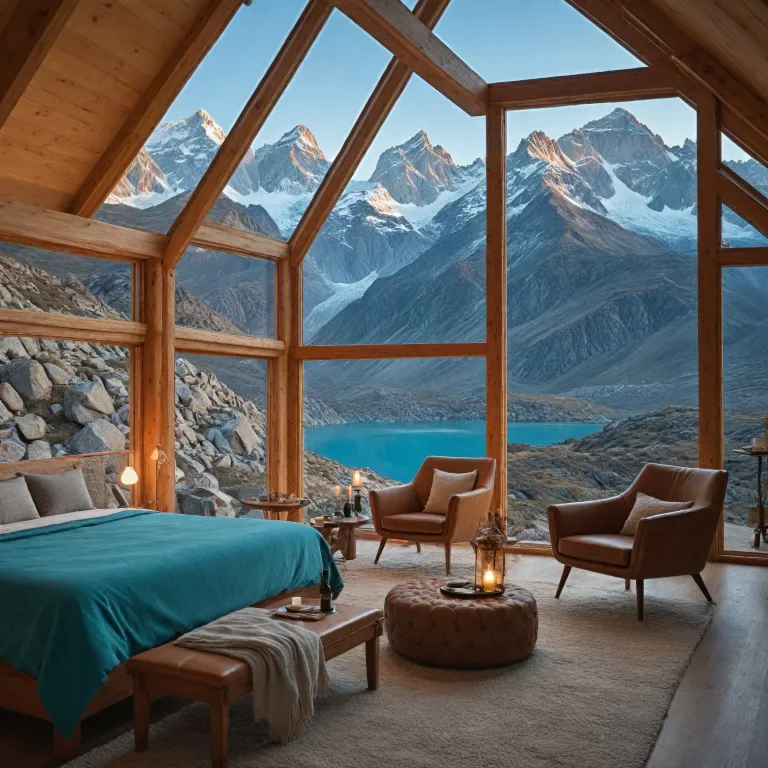
Luxury perspectives on mountaineering in Chile
Mountaineering in Chile attracts travelers who want serious mountains yet refined comfort. Many guests now combine a demanding climb on a high mountain with nights in a premium hotel that understands gear storage and early breakfast. This blend of technical mountaineering and curated hospitality is reshaping how discerning visitors plan each trip across the Andes.
From Santiago Chile you can reach a major mountain or active volcano in only a few hours, which makes short days in the high Andes compatible with elegant city stays. Central ranges near Cajón del Maipo allow guests to enjoy a day of climbing or ski touring, then return to a spa suite and tasting menu. This proximity is one reason mountaineering Chile itineraries work so well for travelers who value time, privacy, and service.
Luxury properties increasingly coordinate with certified guide teams who specialize in climbing Chile and ski mountaineering logistics. They help arrange private transfers, rental of technical gear such as an ice axe, and flexible check in for guests returning late from the summit. For travelers comparing options, the best hotels are those that understand weather volatility, snow conditions, and the realities of high altitude expeditions.
High mountain routes near Santiago Chile also appeal to guests who want to combine skiing and climbing in one stay. Chile ski resorts like El Colorado offer reliable skiing, while nearby peaks provide non glaciated mountaineering in Chile for intermediate climbers. When hotels and guides collaborate, travelers can safely enjoy both ski and climb objectives without sacrificing comfort or safety.
Choosing refined stays for Andes ascents
Selecting the right luxury hotel is central to a successful mountaineering in Chile itinerary. Properties near the Andes that cater to climbers usually offer early breakfast, late check out, and secure storage for climbing and skiing equipment. These details matter when your day begins before dawn and ends after sunset on a remote mountain or volcan.
In Santiago Chile, premium hotels close to the main highways simplify transfers toward Cajón del Maipo, Valle Nevado, and other climbing Chile gateways. Many travelers book a refined base in the capital, then add satellite nights near a national park or in a mountain lodge. This pattern works well for guests planning several days of ski touring or ski mountaineering combined with cultural experiences in the city.
For those heading south toward Patagonia, it is worth reviewing curated lists of luxury hotels near the Andes mountains in Chile, which highlight properties that understand expedition needs. These hotels often coordinate with a private guide for Torres del Paine or other peaks in the region. They can also advise on the best season, typical weather, and how many days to allocate for each climb or ski objective.
When comparing options, look for hotels that mention partnerships with local national park authorities and established expeditions operators. This usually signals stronger safety standards and better knowledge of snow conditions on surrounding peaks and volcanoes. For demanding routes, the ability to adjust plans quickly in response to changing weather is as important as thread count or spa facilities.
Iconic Chilean peaks and refined access strategies
Chile offers a remarkable range of objectives, from accessible day ascents near Santiago to remote high altitude volcanoes on the Chile Bolivia frontier. Popular training grounds such as Cerro Provincia and Cerro Catedral allow guests to test fitness before committing to longer expeditions. These mountains are ideal for travelers who want to balance a city stay with a manageable climb during a short trip.
Further south, Patagonia and especially Torres del Paine attract climbers who value dramatic scenery as much as the summit itself. Many luxury travelers choose refined stays in South Patagonia for discerning travelers to pair glacier trekking, climbing, and skiing with attentive service. In this region, weather can shift quickly, so hotels that coordinate closely with a local guide network provide a real advantage.
On the high Andean frontier, objectives like Ojos del Salado and Nevado del Salado appeal to experienced mountaineering Chile enthusiasts. These high mountain volcanoes demand careful acclimatization, multiple days on the route, and robust logistics for transport and safety. Here, the support of a specialized operator and a hotel team familiar with expedition routines becomes essential.
Some travelers combine Chile ski experiences at resorts such as El Colorado with later ascents in the north or deep Patagonia. This approach allows guests to refine skiing and ski touring skills before tackling more serious ski mountaineering on glaciated terrain. Throughout these journeys, the best hotels act as quiet control centers, helping guests interpret weather forecasts, snow conditions, and route reports.
Safety, guides, and high altitude preparation
Safety is the defining element of any mountaineering in Chile experience, especially for guests transitioning from trekking to true climbing. The country’s diverse terrain includes everything from gentle ski touring slopes to technical ridges on an active volcano. Travelers should respect the risks of high altitude, unstable snow conditions, and rapidly changing weather across the Andes.
Experienced guides play a central role in managing these variables on both single day outings and multi day expeditions. They help guests choose the best objective for their fitness, whether that means a moderate mountain near Santiago Chile or a serious climb on a remote volcan. Guides also oversee equipment checks, from crampons and an ice axe to avalanche gear for skiing and ski mountaineering routes.
Recent statistics highlight the importance of preparation, including data on climber fatalities on Mount Aconcagua over the past decade. While this peak lies in neighboring Argentina, many travelers combine it with climbing Chile itineraries or other high mountain objectives in the region. These numbers underline why acclimatization, conservative decision making, and professional supervision are essential for any high altitude trip.
Guests staying in luxury properties should not hesitate to ask detailed questions about partner guide services and emergency protocols. Hotels that work regularly with mountaineering Chile operators will understand evacuation procedures, communication systems, and the realities of remote national park environments. This shared expertise allows travelers to focus on the experience, confident that both their guide and hotel team are aligned on safety.
Designing multi day expeditions with premium comfort
Many travelers now design multi day mountaineering in Chile programs that alternate between mountain camps and premium hotels. A typical pattern might include two or three days on a high mountain, followed by a restorative night in a refined property. This rhythm helps the body recover from altitude and cold while maintaining the momentum of the trip.
In regions like Cajón del Maipo and other valleys near Santiago Chile, it is easy to structure several short expeditions rather than one long push. Guests can spend a day on a nearby volcan, return to the city, then head out again for skiing or another climb. This approach suits travelers who value comfort and flexibility as much as the summit itself.
Farther north, some itineraries link Chile Bolivia border peaks with a final ascent of Ojos del Salado or another high volcano. Others continue toward Huayna Potosí, combining different high altitude cultures and landscapes in one extended travel plan. In each case, careful staging of days, rest periods, and hotel nights is crucial for both safety and enjoyment.
Luxury hotels that understand expeditions will adapt meal times, laundry, and spa services to the needs of climbers returning from snow and ice. They recognize that guests may arrive with an ice axe and ski equipment rather than a briefcase. When hospitality teams embrace this reality, mountaineering Chile journeys feel seamless, even when the mountains themselves are demanding.
Seasonality, climate shifts, and choosing the right moment
Seasonality strongly shapes every mountaineering in Chile itinerary, and luxury travelers should plan with precision. Central regions usually offer the best conditions for climbing and skiing during the austral summer, while Patagonia has a shorter, windier window. In all areas, climate change is altering snow conditions, glacier stability, and the reliability of traditional weather patterns.
Resorts that support Chile ski activities, such as El Colorado, now monitor snowfall carefully, with average annual snow precipitation around several meters. This data helps guides decide when to prioritize skiing, ski touring, or ski mountaineering on nearby slopes. It also influences how many days guests should allocate to each mountain objective during a trip.
In Patagonia and Torres del Paine National Park, strong winds and fast moving storms require flexible planning and close coordination between hotels and guide teams. Travelers should expect that a planned climb on a volcan or high mountain may shift by a day or more. Properties with strong local relationships can quickly adjust transfers, permits, and alternative activities when weather closes a route.
Across the Andes, closures of certain glaciers and routes due to instability are becoming more common. This reality makes it even more important to work with reputable climbing Chile operators and hotels that prioritize sustainability. By choosing responsible expeditions and refined stays that respect fragile environments, travelers help ensure that future guests can enjoy these remarkable landscapes.
Key statistics for mountaineering in Chile
- Climber fatalities on Mount Aconcagua between 2013 and 2024: 21 deaths reported.
- Average annual snow precipitation at El Colorado: approximately 3.5 meters.
Essential questions about mountaineering in Chile
What are the most popular mountaineering destinations in Chile?
Popular destinations include Cerro Provincia, Cerro Catedral, El Colorado, and Tronador.
Is mountaineering in Chile safe?
While Chile offers diverse mountaineering opportunities, climbers should be aware of potential risks such as altitude sickness and rapidly changing weather conditions. It's advisable to hire experienced guides and follow safety protocols.
When is the best time to go mountaineering in Chile?
The optimal time varies by region. In central Chile, the climbing season typically runs from November to March, while in Patagonia, the best months are December to February.
Trustful expert and institutional sources
- PubMed – peer reviewed research on high altitude medicine and mountaineering safety.
- Wikipedia – reference data on Andean peaks, climate, and regional geography.
- Official Chilean national park services – regulations, route updates, and conservation guidelines.