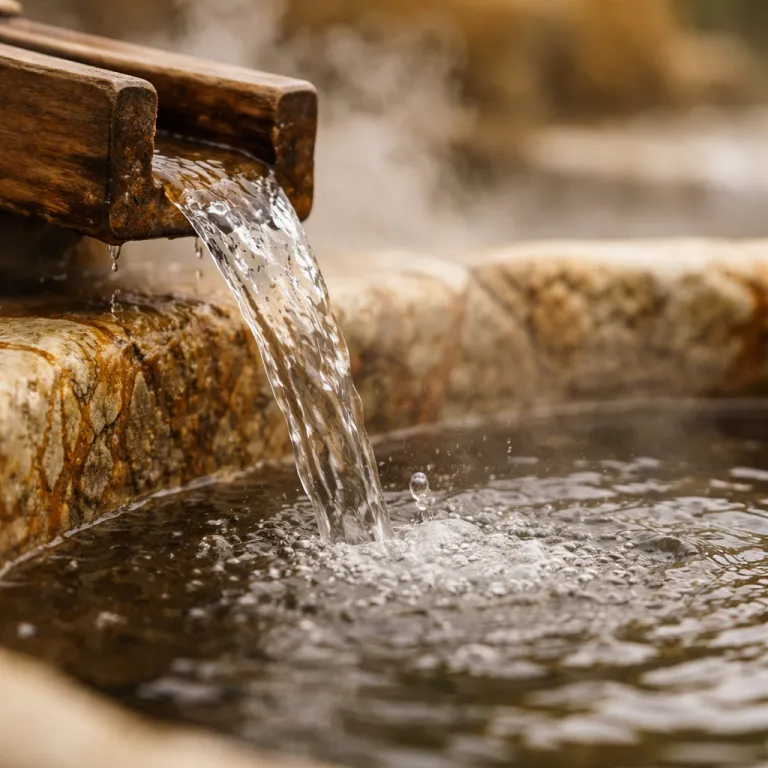
Why Chile’s lake district is a natural spa sanctuary
Chile stretches like a spine along the Pacific, but the lake district feels purpose built for slow wellness. Here, snow capped volcanoes, deep lake basins and constant geothermal activity create some of the most atmospheric hot springs in South America. Couples planning a trip to Chile will find that the region’s thermal waters are not a side excursion, but the quiet heart of a restorative itinerary.
The phrase “hot springs Chile lake district” barely captures the drama of this landscape, where native forest meets steaming water and the air smells faintly of minerals. Within a relatively compact district, you can visit several springs in a single trip, moving from rustic riverside pools to polished spa complexes attached to premium hotels. Local tourism boards and regional guides list roughly ten developed hot springs in the wider area (figures checked in 2024), and that density allows a travel expert to design highly tailored wellness circuits for different styles of Chile travel.
Most visitors anchor their time around the lakeside cities of Pucón, Puerto Varas and Puerto Montt, using these hubs as elegant bases between national park excursions and long soaks. Pucón, on the shores of Villarrica lake, has become the unofficial spa capital of southern Chile, while Puerto Varas looks across to the Osorno volcano and the Vicente Pérez Rosales National Park. If you prefer a quieter place, smaller towns near Puyehue National Park or the Huilo Huilo reserve will suit couples seeking more privacy and fewer day trippers.
Termas Geométricas and the Pucón thermal circuit
Ask any travel expert about the best hot springs in the lake district, and Termas Geométricas usually comes first. Hidden inside Villarrica National Park, this complex threads seventeen slate lined pools along a narrow ravine, linked by red walkways that glow against the green forest. The water emerges hot from the earth at temperatures between 38 °C and 58 °C, then is carefully channelled into pools of varying heat so you can choose your preferred level of intensity.
For couples, the best time to visit Termas Geométricas is often early morning, when mist hangs low and the only sounds are waterfalls and birds. The entrance fee is higher than at smaller springs Chile wide, but the design, privacy and constant flow of fresh water justify the clp to usd conversion on your card statement. As a broad guide, adult day passes often fall in the range of 40,000–50,000 CLP per person (roughly 40–55 USD using mid 2024 reference rates; always confirm current prices on the official Termas Geométricas site), and the drive from Pucón typically takes around 90 minutes each way along a scenic, partly unpaved road.
Within a forty minute radius of Pucón, you can also visit Del Huife Hot Springs, Termas de Huife and the more rustic Termas Los Pozones, each offering different atmospheres and levels of service. Del Huife sits beside the Liucura river and pairs thermal pools with spa facilities, while Los Pozones feels wilder, especially at night under clear southern skies. When planning your time visit after a long trip Chile wide, consider alternating a day of hiking in the national park with an evening session in the hot springs, which helps muscles recover and keeps your overall travel pace unhurried. Check opening hours, age restrictions and safety notices for each complex in advance, as policies on night bathing, alcohol and maximum soak times can change seasonally.
From Puyehue to Huilo Huilo: immersive nature and refined stays
West of the main lake district axis, Puyehue National Park shelters Aguas Calientes Hot Springs, where forest framed pools sit beside a clear river. Here the focus is on simple, effective thermal water and easy access to trails, making it ideal for couples who want to combine wellness with light hiking. Nearby, Puyehue national park lodges often include spa access in their room rates, so the hot water becomes part of your daily rhythm rather than a single excursion.
Further north east, the Huilo Huilo Biological Reserve offers one of Chile’s most distinctive hot springs experiences, with pools tucked into a private forest and treehouse style lodges rising above. This is a place where the line between national park style conservation and private hospitality blurs, and where your time in the water feels inseparable from the surrounding ecosystem. Many couples choose Huilo Huilo as the romantic centrepiece of a longer Chile travel route, pairing it with a stay in Puerto Varas or Puerto Montt to access the Vicente Pérez Rosales National Park and its lakes and waterfalls.
Across the region, the integration of natural settings with modern amenities has become a quiet innovation in Chile’s hospitality scene. Properties near Coñaripe Hot Springs and Lake Pellaifa, for example, now offer refined rooms, spa menus and curated excursions that still keep the springs themselves as the main attraction. When you book through a specialist platform like mychilestay.com, an expert will help you compare these stays not just on price in clp and usd, but on how well the spa, water access and surrounding park landscapes align with your preferred style of trip. Mychilestay.com may receive an affiliate commission from certain partner properties, and any such commercial relationship should be clearly disclosed at the time of booking.
Beyond the lake district: linking Atacama, San Pedro and the south
Chile’s thermal story does not end in the lake district, and many couples now design itineraries that link the north and south into one extended wellness journey. Around San Pedro de Atacama, Termas de Puritama sits in a desert canyon at around 3,500 metres, where a geothermal stream feeds a chain of stone pools. The contrast between the dry Atacama Desert air and the hot, mineral rich water creates a very different sensation from the humid forests of the south, yet both experiences speak to the same volcanic backbone of Chile.
High end lodges near San Pedro, such as Alto Atacama or Tierra Atacama, often treat Puritama as a core part of their spa and wellness programming. Guests might spend an early morning soaking in the canyon, then return to the hotel for a massage and a slow lunch before an afternoon astronomy session. Typical entrance fees for Termas de Puritama often sit around 25,000–40,000 CLP per adult (approximately 25–45 USD based on 2024 exchange ranges; verify current tariffs and opening hours on the official Puritama site), and shared transfers from San Pedro usually take about 45–60 minutes, which makes it easy to combine with other excursions in the region.
For travellers who enjoy structure, a travel expert can help you map a route that begins in the Atacama Desert, continues through central wine valleys and finishes among the lakes and springs of the south. Others prefer to fly directly between San Pedro and cities like Puerto Montt or Puerto Varas, using these hubs as gateways to the surrounding district of lakes, rivers and hot springs. Either way, aligning your time visit in each region with the best time for clear skies, manageable temperatures and quieter pools will elevate the overall quality of your wellness focused Chile travel. At higher altitudes such as Puritama, allow time to acclimatise, stay hydrated and follow local guidance on maximum soak durations.
Planning your luxury hot springs stay: timing, access and insider tips
When couples ask about the best time to enjoy hot springs in Chile’s lake district, the honest answer is that the region works year round. Cooler months bring snow dusted volcanoes and greater steam contrasts, while warmer periods allow longer days on the lake or in the park before you slip into the water. The key is to match your preferred climate and crowd levels with your chosen place, then let an expert fine tune the details of your stay.
Practicalities matter, especially when you are investing in premium hotels and private transfers. Always check operating hours before visiting, as some springs Chile wide adjust schedules between seasons, and consider booking your entrance slot in advance during local holidays. Bring swimwear and towels even if your hotel offers spa facilities, because many hot springs in the district charge extra for rentals, and a small day bag keeps your time in transit between city and countryside relaxed. Surfaces around pools can be wet and uneven, so pack non slip sandals, follow posted temperature warnings and ask staff about accessibility if you have limited mobility.
For couples starting their Chile travel in Santiago, it can be elegant to add a curated day trip before flying south, and resources like the guide to elegant day trips from Santiago for luxury minded travellers help set the tone. Once in the lake district, consider splitting your trip between a lakeside city base such as Puerto Varas and a more secluded lodge near a national park or reserve. This way, you enjoy both refined dining and spa culture in town and the deep quiet of springs like Aguas Calientes or Coñaripe, where the only evening entertainment you need is the sound of water and the glow of the sky over the lake.
FAQ
Are the hot springs in Chile’s lake district suitable for children ?
Yes, most are family friendly, and many pools have varying depths and temperatures that work for different ages. Always check individual policies before you visit, as some luxury spa areas are reserved for adults seeking quiet. If you are travelling as a couple and prefer calm, choose properties that clearly separate family zones from adult only sections.
What is the average temperature of the hot springs water ?
Across the lake district and other regions of Chile, natural hot springs typically range from about 38 °C to 58 °C. Cooler pools are comfortable for long soaks, while the hottest basins are better for short, focused sessions. When you arrive, ask staff to point out the temperature gradients so you can move between pools safely and enjoyably.
Do I need to book hot springs in advance ?
It is recommended to reserve ahead, especially during peak holiday periods and weekends. Some of the most popular springs, such as Termas Geométricas or Termas de Puritama near San Pedro, limit daily entrance numbers to preserve the atmosphere. Booking through a specialist platform or your hotel concierge will usually secure better time slots and smoother transfers.
How much should I budget for hot springs visits in clp and usd ?
Entrance fees vary widely, from modest charges at rustic pools to higher rates at design forward complexes with full spa services. As a rough guide, plan a dedicated line in your Chile travel budget for several visits, then let your hotel or travel expert translate typical prices from clp to usd for comparison. Remember to factor in private transport costs if you prefer not to drive, especially from cities like Pucón, Puerto Varas or Puerto Montt.
Can I combine hot springs with other wellness activities during my trip Chile wide ?
Yes, and that combination is where Chile excels as a wellness destination. In the lake district, you can pair morning yoga or light hiking in a national park with afternoon soaks, while in the Atacama Desert region near San Pedro, stargazing and gentle canyon walks complement thermal sessions. Many premium hotels now build multi day spa and nature programs that weave together water, landscape and slow time in a way that feels both indulgent and restorative.