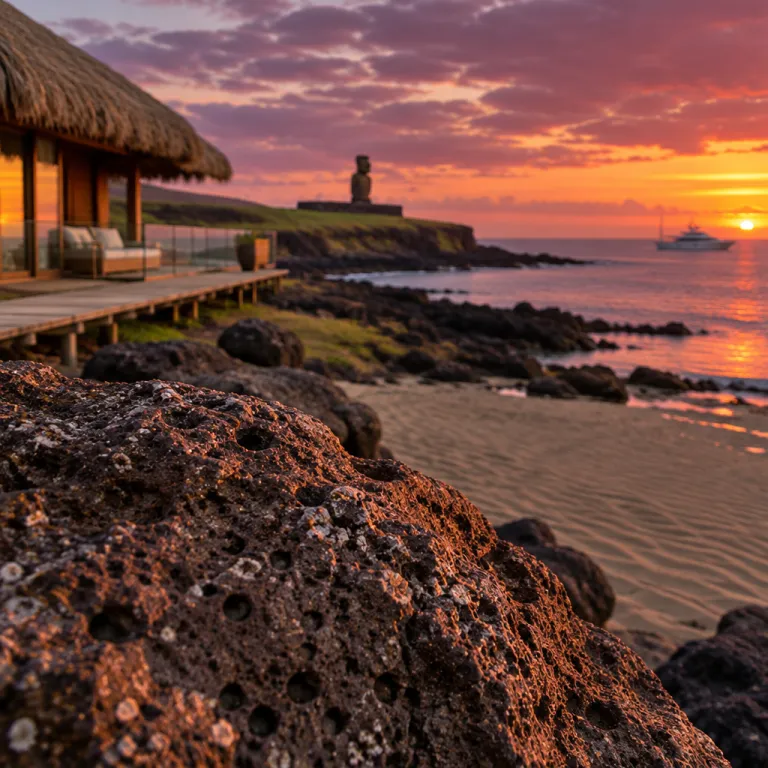
How to reach Easter Island for a refined Chilean escape
Understanding how to get to Easter Island is the first step toward planning any refined stay on this remote island. Most travelers reach this far-flung Chilean territory by flying from Santiago de Chile, which serves as the main gateway for both domestic and international routes. This long journey across the Pacific Ocean rewards you with a rare sense of isolation and a powerful connection to land and sea.
Flights depart from Arturo Merino Benítez International Airport in Santiago and land at Mataveri International Airport, the only international airport on Rapa Nui. Mataveri International sits just outside Hanga Roa, the island’s main town, so your arrival quickly transitions into coastal views, soft trade winds, and the first glimpses of moai statues in the distance. When planning your route to Easter Island, allow generous connection time in Santiago, especially if you are arriving from the United States or Europe on long-haul flights.
Because Rapa Nui is one of the most isolated islands on earth, seats on flights to Easter Island can sell out weeks in advance during peak seasons such as January–March and local holiday periods. Luxury travelers should secure tickets early and coordinate flight schedules with confirmed reservations at premium properties in Hanga Roa or along the wild volcanic coastline. If you are combining an Easter Island stay with other Chile experiences, consider structuring your itinerary around fixed flight days to and from this Pacific outpost and booking flexible fares when possible.
From Santiago and beyond: flight logistics and timing
For most visitors wondering how to travel to Easter Island, the answer begins in Santiago, the capital of Chile. Direct flights from Santiago to the island usually take around five and a half hours, crossing an immense stretch of the Pacific Ocean with no other islands in sight. This long overwater segment highlights just how remote Rapa Nui is compared with other Chilean islands closer to the mainland.
Travelers from the United States, Europe, and other regions typically arrive in Santiago on overnight flights, then connect onward to Mataveri International. According to current LATAM Airlines schedules, the Hanga Roa route generally operates several times per week, with frequencies varying by season, so a missed link can delay your arrival on the island by a full day. Many luxury travelers choose to spend one night in a premium Santiago hotel before continuing to Easter Island, which also helps adjust to Chilean time zones and recover from jet lag.
Some itineraries combine Rapa Nui with other Chilean destinations such as Patagonia, the Lake District, or the Atacama Desert, using Santiago as a hub. If you are considering a multi-stop journey across Chilean land and islands, it is wise to book all domestic segments on a single ticket for smoother handling of luggage and schedule changes and to respect typical airline ticketing deadlines. For inspiration on pairing Rapa Nui with other remote islands and coastal retreats, review curated ideas such as Chile islands of distinction and luxury stays from Rapa Nui to Patagonia, which illustrate how to balance flight time with meaningful experiences.
Arrival at Hanga Roa: first impressions and transfers
Landing at Mataveri International Airport is an experience that many travelers remember for years. The runway appears as a narrow strip of land in the middle of the Pacific Ocean, framed by deep blue sea and low volcanic hills that hint at the island’s dramatic origins. As you step off the aircraft, the warm air and the sound of waves immediately signal that you have left mainland Chile far behind.
Immigration and customs procedures are usually straightforward, but you should keep your hotel confirmation and return flight details accessible for the Chilean government formalities. Depending on your nationality, you may need a visa or proof of onward travel, and all visitors must carry a valid passport with sufficient remaining validity. Staff often speak both Spanish and English, and signage in the small terminal helps guide you toward baggage claim and the exit in just a few minutes. Many luxury hotels and premium lodges in Hanga Roa include private transfers from the international airport, so your arrival flows smoothly from plane door to reception lounge.
Hanga Roa itself stretches along the western coast, where moai statues and surf breaks share the same horizon line. The town offers refined restaurants, artisan shops, and oceanfront promenades, yet it remains compact enough to explore on foot in a short time. For travelers who want to pair Rapa Nui with coastal relaxation elsewhere in Chile, resources such as Chilean beaches for luxury travelers and Easter Island retreats can help you compare different sea-facing destinations before or after your stay.
Choosing luxury and premium stays on Rapa Nui
Once you understand the logistics of reaching Easter Island, the next decision is where to stay on the island. Luxury and premium properties on Rapa Nui tend to cluster near Hanga Roa, where access to restaurants, cultural centers, and the sea is easiest. Some high-end lodges sit slightly inland on elevated volcanic land, offering panoramic views of the Pacific Ocean and the silhouettes of iconic moai at sunrise.
Many upscale hotels on Easter Island operate on an inclusive model, bundling accommodation with guided excursions, meals, and airport transfers. This approach simplifies logistics on a remote island where independent transport and restaurant options can be limited, especially at certain times of year. When comparing properties, pay attention to the quality of their in-house guide teams, the depth of their cultural programs about Rapa Nui history, and their sustainability commitments toward the fragile volcanic environment.
Some travelers combine a stay on Rapa Nui with a contrasting experience in the Atacama Desert, another emblematic Chilean landscape shaped by time and extreme conditions. In that case, it can be helpful to work with a specialist platform that understands both regions and can coordinate flights, transfers, and premium lodging. Curated itineraries such as those presented in refined Atacama trips for a luxurious stay in Chile’s desert show how to balance the island’s humid sea climate with the dry high-altitude desert for a complete Chile journey.
Exploring moai sites and volcanic landscapes in comfort
For many guests, the question of how to reach Easter Island is closely tied to the desire to see moai statues in person. These monumental figures, carved from volcanic tuff at Rano Raraku quarry, stand as silent witnesses to events that unfolded hundreds of years ago. Today, carefully managed visits allow travelers to appreciate the iconic moai while respecting the cultural and spiritual significance they hold for the Rapa Nui community.
Key archaeological sites such as Rano Raraku, Rano Kau, and the ceremonial village of Orongo are usually visited with a certified local guide. A knowledgeable guide can explain how the island’s volcanic geology shaped both the land and the culture, from the quarrying of stone to the transport of statues across long distances. Many luxury hotels in the island’s main areas offer small-group or private excursions that time visits to avoid crowds and capture the best light for photography.
Beyond the moai, the island offers dramatic volcanic craters, lava tubes, and coastal cliffs where the sea crashes against black rock. At Rano Kau, the flooded crater forms a natural amphitheater of vegetation, while viewpoints along the rim reveal the vastness of the Pacific Ocean and the tiny islets that once hosted the birdman cult. Exploring these landscapes in comfort, with well-planned logistics and thoughtful pacing, allows you to appreciate both the natural power of the island and the resilience of the Rapa Nui people.
History, culture, and practical tips for a seamless stay
Understanding the history of Rapa Nui adds depth to any discussion of how to get to Easter Island and why the journey matters. The island was first reached by Polynesian navigators many years ago, long before the arrival of Europeans such as Jacob Roggeveen, who sighted the land on an Easter Sunday and gave it the name Easter Island. Over time, the Chilean government integrated the island into Chile, while the Rapa Nui community has continued to safeguard its language, traditions, and sacred sites.
Today, visitors encounter a living culture where Spanish and Rapa Nui are both spoken, and where ancestral stories coexist with contemporary Chilean influences. You will hear references to legendary figures such as Hotu Matu’a, the founding ariki or chief, whose voyage across the sea is central to island oral history. Respectful behavior at archaeological sites, support for local artisans, and attention to environmental guidelines all contribute to a more meaningful relationship with the island and its people.
From a practical perspective, pack for variable weather, as the climate on Easter Island can shift quickly between sun, wind, and rain. Rapa Nui National Park, inscribed on the UNESCO World Heritage List, covers about 40% of the island, and visitors must purchase an official park ticket and carry it when entering major sites. Allow extra time in your schedule in case of flight changes, a reality of traveling to remote islands in the Pacific Ocean, and check current health and entry requirements published by Chilean authorities before departure. Finally, remember that the true luxury of Rapa Nui lies not only in premium hotels and curated excursions, but also in the rare feeling of standing at a point island in the vast ocean, surrounded by moai statues that have watched the horizon for centuries.
Key figures about travel to Easter Island
- Rapa Nui lies about 3,700 km west of mainland Chile across the Pacific Ocean, making it one of the most remote inhabited islands on earth according to Chilean tourism authorities and official Chile Travel information.
- The flight time between Santiago and Mataveri International Airport typically ranges from 5 to 6 hours, depending on winds and routing, as reported by major airlines serving the route such as LATAM Airlines.
- Rapa Nui National Park, which includes sites such as Rano Raraku and Rano Kau, covers roughly 40% of the island’s surface area, according to UNESCO World Heritage Centre documentation on Rapa Nui National Park.
- Archaeologists estimate that more than 900 moai statues were carved on the island, with many originating from the main quarry at Rano Raraku, based on surveys published by academic research teams and referenced in UNESCO materials.
- Tourism statistics from the Chilean government and regional authorities indicate that visitor numbers to Easter Island have grown significantly over recent decades, prompting stricter conservation measures, park ticket controls, and visitor management policies within Rapa Nui National Park.
FAQ about reaching and staying on Easter Island
How do you get to Easter Island from Santiago ?
You reach Easter Island from Santiago by taking a direct flight from Arturo Merino Benítez International Airport to Mataveri International Airport near Hanga Roa. The journey usually takes around five and a half hours over the Pacific Ocean. Seats can be limited, so booking well in advance is recommended, especially for peak travel periods, and checking current airline schedules helps you choose the most convenient departure day.
Can you travel to Easter Island from the United States without staying in Santiago ?
There are currently no nonstop flights from the United States to Easter Island, so you must connect through Santiago or another South American hub. Most travelers fly into Santiago on an international service, then take a separate domestic or regional flight to Mataveri International. Some itineraries include an overnight in Santiago to allow comfortable connection time and reduce the risk of missed flights.
How many days should you stay on Rapa Nui for a luxury trip ?
A refined stay on Rapa Nui typically lasts between four and six nights, which allows enough time to visit major sites such as Rano Raraku, Rano Kau, and several moai platforms without rushing. This duration also gives you flexibility in case of weather changes or adjusted excursion times. Luxury properties often design multi-day programs that balance cultural visits, coastal walks, and relaxation at the hotel.
Is it easy to move around Easter Island once you arrive ?
Movement around Easter Island is relatively straightforward, but distances between sites can be longer than they appear on a map. Many visitors rely on guided excursions organized by their hotel, which include transport, a certified guide, and scheduled entry to key archaeological areas. Independent travelers can rent vehicles in Hanga Roa, but should respect local regulations, stay on designated roads to protect the fragile volcanic landscape, and carry their Rapa Nui National Park ticket when visiting protected sites.
Do you need to speak Spanish to enjoy a stay on Easter Island ?
Speaking Spanish is helpful but not essential for enjoying a stay on Easter Island, as many staff in hotels, restaurants, and tour companies also speak English. Learning a few basic phrases in both Spanish and Rapa Nui is appreciated by locals and can enrich your cultural interactions. Written information at major sites is often available in multiple languages, and professional guides can provide detailed explanations in your preferred language when arranged in advance.