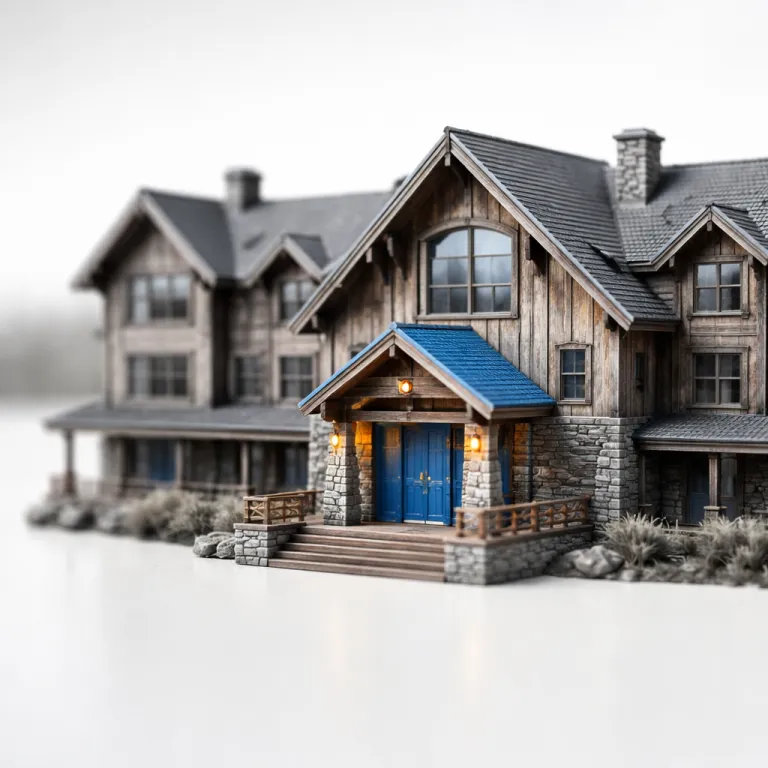
Patagonia Chile Hotels: How to Choose the Right Stay Around Torres del Paine
Why Patagonia Chile is a remarkable hotel destination
Wind hits first. Stepping out of the vehicle near the edge of Chilean Patagonia, you feel the famous gusts rolling in from the south long before you see the peaks of Torres del Paine. This is not a destination you “add on” to a South America itinerary; it is the trip itself, and your hotel choice will define the entire experience.
Chilean Patagonia stretches from the fjords near Puerto Natales down to the Strait of Magellan and inland towards the granite towers of the national park. Distances are long, roads are often gravel, and daylight hours shift dramatically between seasons. A hotel in Patagonia Chile is therefore less a place to sleep and more a base camp for your days in the park, your time on the water, or your quiet hours watching the light change over Paine Chile from your room.
Travelers usually come with one of three priorities: to be inside or right at the gate of Torres del Paine National Park, to stay in or near Puerto Natales for easier logistics, or to explore the wider region of Chilean Patagonia with a mix of road trips and day hikes. The best hotels here are designed around those choices. Before you book, decide whether you want to wake up already in the park, or whether you prefer a more flexible stay with access to town, restaurants, and the wider south of Chile.
From a practical standpoint, most visitors fly into Punta Arenas or Puerto Natales. The drive from Punta Arenas to Puerto Natales takes around three hours for roughly 250 km on paved road, and from Puerto Natales to the main Torres del Paine entrances usually takes a further 1.5 to 2.5 hours depending on road conditions and weather. As a guide, Puerto Natales to the Laguna Amarga gate is about 110 km (around two hours), while the Serrano entrance is roughly 80 km (about 1.5 hours). Shared transfers from Punta Arenas to the park typically cost more than from Puerto Natales, so factor this into your budget when comparing Patagonia Chile hotels and itineraries.
Inside the park vs. around Puerto Natales
Rooms inside or on the immediate edge of Torres del Paine National Park offer the most dramatic views. On a clear morning, you can watch the first pink light hit the Torres themselves without leaving your bed. This is the classic “postcard” experience of Patagonia Chile, and it comes with a sense of immersion that no day trip can fully replicate. You trade some independence for that privilege, but for many travelers, it is the right trade.
Stays closer to Puerto Natales, often along the coastal road out of town or on the hills above the Seno Última Esperanza, feel different. Here, you might stroll along Calle Eberhard in the evening, read in a café, and then check the next day’s weather before deciding whether to drive into the park, sail to glaciers, or simply enjoy the lodge. These hotels suit travelers who want Patagonia national landscapes but also appreciate a small-town atmosphere and easier access to services.
There is also a middle ground: properties set along the main road between Puerto Natales and the park, roughly 30 to 60 km from the entrance. These offer partial views of the Paine massif, more space, and a quieter, more private feel. They work well if you plan a mix of park days and time exploring estancias, caves, or viewpoints outside the main Torres del Paine circuits. When comparing, look carefully at the exact distance in kilometres to the park gates and the time needed for daily transfers.
To visualise this, imagine three concentric circles around the park: the inner ring of lodges inside Torres del Paine, a second ring of countryside hotels along the access roads, and an outer ring centred on Puerto Natales. Your choice of ring will shape not only your views but also how early you start hikes, how often you dine in town, and how much driving you do each day.
All-inclusive lodges vs. independent stays
In Chilean Patagonia, the term “all-inclusive” usually means far more than meals. Many high-end lodges operate on a fully inclusive basis that covers accommodation, full board, guided excursions, and often transfers from the nearest airport or from Puerto Natales. For travelers who want to maximise their time in the park and minimise logistics, this model works extremely well. You arrive, you unpack once, and each day the équipe proposes a selection of hikes, rides, or boat trips tailored to the weather and your energy level.
Independent hotels, by contrast, focus on the stay itself and leave activities to external guides or to your own planning. You might rent a car, drive into Torres del Paine National Park, and return in the evening to a quieter property where the rhythm is your own. This suits experienced travelers who enjoy reading maps, checking trail conditions, and designing their own day. It also appeals to those who prefer to spend some days in the park and others simply watching the changing light over the water or the steppe.
There is no universal “best” model. Inclusive lodges are better for first-time visitors to Patagonia Chile, for those with limited days, or for anyone who wants a seamless experience with private guiding. Independent hotels are stronger for repeat visitors, photographers who need flexibility, or travelers combining Patagonia with other parts of Chile such as Easter Island or the Atacama Desert. When you compare, look beyond the word inclusive and read exactly which excursions, transfers, and services are part of the package.
As a rule of thumb, all-inclusive Patagonia Chile hotels work well for four- or five-night stays focused on Torres del Paine, while independent bases are ideal for longer itineraries that combine the park with road trips to Punta Arenas, fjord cruises, or time in other regions of Chile.
Landscape, views and room experience
Glass is everything here. The most memorable rooms in hotel Patagonia Chile properties are often defined by their windows rather than their square metres. A wall of glass facing the Cuernos del Paine, a deep window seat overlooking Lago Sarmiento, or a bathtub positioned to catch the last light over the steppe can transform a simple stay into a lasting experience. When you see “mountain view” or “park view” in a room description, try to understand whether that means a direct, unobstructed panorama or a more distant glimpse.
Some lodges are designed as low, elongated structures that hug the landscape, with every room facing the same direction. Others rise slightly higher, offering tiered views where upper floors see further but may feel less connected to the ground. If you value privacy, corner rooms or end-of-corridor units often feel quieter, especially on windy nights when the building creaks and the weather becomes part of the atmosphere. For light sleepers, it is worth checking whether rooms have double-glazed windows, as the famous Patagonian wind can be surprisingly loud.
Inside, expect natural materials, warm textiles, and a palette that mirrors the outside world: greys of rock, blues of glacial lakes, ochres of the pampa. Luxury here is rarely about ornate décor. It is about a comfortable bed after a long day in the park, a hot shower that works reliably, and a place to lay out wet gear. Some of the best hotels in Chilean Patagonia also offer small reading nooks or lounges where you can sit with a map, a drink, and a clear view of the Torres del Paine massif while planning the next day.
When choosing, look for room photos that show the actual view, and check whether images include captions or alt text such as “Torres del Paine view from hotel room” or “sunrise over Patagonia Chile from lodge window” so you can better understand what you are booking.
Location nuances across Chilean Patagonia
Distances in the south are deceptive. A hotel that appears close to Torres del Paine on a map may still be an hour’s drive from the main viewpoints, especially if the road is unpaved. Properties near the Serrano entrance offer quicker access to the western side of the park and to boat trips on Lago Grey, while those closer to the Laguna Amarga gate are better placed for classic Torres del Paine viewpoints and some of the most photographed lagoons. When you read location descriptions, always translate “near the park” into actual driving times.
Puerto Natales itself, set along the Última Esperanza Sound, works as a softer landing into Patagonia Chile. Staying in town gives you access to a small but growing restaurant scene, local crafts, and the simple pleasure of walking the waterfront promenade as fishing boats return. From here, day trips reach not only the national park but also lesser-known areas of Patagonia national landscapes, such as caves, estancias, and viewpoints along Ruta 9. For some travelers, this mix of nature and town life feels more balanced than a remote lodge.
Further south, around Punta Arenas, hotels serve more as gateways to the region than as pure Torres del Paine bases. This is where many flights arrive from the rest of Chile and South America, and where you might spend a night before heading north to the park or west towards the fjords. If your itinerary includes both Patagonia and other regions such as Easter Island, consider how many internal flights you want to take and whether you prefer to minimise one-night stays by choosing a more central base in the south.
For up-to-date information on road conditions, park opening hours, and entrance fees, consult the official Torres del Paine National Park channels or the local tourism office in Puerto Natales when planning your Patagonia Chile hotel stay.
Seasonality, weather and length of stay
Summer in Chilean Patagonia, from November to March, brings longer days, more stable conditions, and the busiest hotel calendars. This is when the famous turquoise lakes and the Torres are most likely to appear under blue skies, but it is also when you share trails and viewpoints with more visitors. Shoulder months can be rewarding for travelers who value quieter spaces and do not mind cooler temperatures or a higher chance of wind and rain. In all seasons, weather changes quickly; a clear morning can turn into a stormy afternoon within an hour.
For a first visit focused on Torres del Paine National Park, a stay of four to five nights is a strong baseline. This allows at least three full days in and around the park, with one day for a longer hike, one for shorter walks and viewpoints, and one that can flex according to weather. If you are combining Patagonia Chile with other regions of Chile, such as the wine valleys or the Atacama Desert, resist the temptation to compress Patagonia into two nights. Travel time from Santiago to the south and then from the airport to your lodge already eats into your usable days.
Wind is part of the experience. On some days, gusts can make walking difficult and turn simple viewpoints into dramatic, almost cinematic scenes. Good hotels in Patagonia are built with this in mind, offering sheltered terraces, indoor viewpoints, and common areas where you can still enjoy the landscape when conditions outside are harsh. When you pack, think in layers rather than in outfits, and remember that even in summer, evenings can feel cold once the sun drops behind the Paine massif.
Peak booking windows for the most sought-after Patagonia Chile hotels are usually six to nine months before travel for December to February, and three to six months ahead for shoulder seasons, so plan accordingly if you want specific room types or views.
Who Patagonia Chile hotels suit best
Travelers who thrive in Patagonia are those who enjoy landscape as much as comfort. If your ideal day involves a morning hike, an afternoon spa session, and an evening drink watching clouds move over the Torres del Paine, you are in the right place. Hotels here cater particularly well to couples, small groups of friends, and solo travelers who appreciate a structured day with clear options. Families can also be well served, especially in lodges that offer flexible excursions and gentle walks suitable for different ages.
Those seeking nightlife, shopping, or dense cultural programming may find Chilean Patagonia too sparse. The culture here is subtle: conversations with staff about life in the south, glimpses of gaucho traditions on nearby estancias, and the quiet ritual of checking the sky each evening to guess the next day’s weather. If you want museums, galleries, or urban energy, you will find more of that in Santiago or Valparaíso than in Puerto Natales or near the park.
For many, the real luxury of a hotel in Patagonia Chile is time and space. Time to read without distraction, to watch guanacos move across the hills, to see how the same view changes every hour. Space in the form of wide horizons, uncluttered interiors, and a sense that the property has been designed to frame the outside world rather than compete with it. If that resonates with you, then the south of Chile, and especially the area around Torres del Paine, is not just a good choice; it is likely to become one of your personal reference points for what a destination hotel can be.
To make the most of it, sketch a simple three- to five-night plan before you book: one arrival day with a short walk or boat trip, two or three full days of hiking and scenic drives, and a final morning to simply sit, look out at Patagonia Chile’s vast landscapes, and let the experience settle.
FAQ
Is Patagonia Chile a good choice for a first trip to South America?
Patagonia Chile is an excellent choice for a first trip to South America if you are drawn to nature, wide open spaces, and structured days rather than urban exploration. The region around Torres del Paine National Park is well organised for visitors, with hotels that can arrange guided excursions, transfers, and clear daily plans. If you prefer cities, nightlife, and cultural institutions, you may want to combine Patagonia with time in Santiago or another major city.
How many days should I stay in Torres del Paine and its surroundings?
For a focused visit to Torres del Paine and nearby areas, plan at least four to five nights in the region. This gives you three full days for the park itself, plus some flexibility for weather changes and travel time from the nearest airport. Shorter stays are possible but tend to feel rushed, especially given the distances involved in reaching Chilean Patagonia from other parts of Chile.
What is the best time of year to visit Patagonia Chile?
The most popular time to visit Patagonia Chile is from November to March, when days are longer and conditions are generally milder. These months are ideal for hiking and for enjoying the classic views of the Torres and the lakes. Shoulder seasons can offer fewer visitors and a more contemplative atmosphere, but you should be prepared for cooler temperatures and more variable weather.
Should I choose an all-inclusive lodge or a more independent hotel?
An all-inclusive lodge in Patagonia works best if you want a seamless experience with guided excursions, meals, and transfers all organised for you. This model is particularly convenient for first-time visitors or those with limited time. A more independent hotel suits travelers who enjoy planning their own days, renting a car, and mixing park visits with time in town or exploring lesser-known areas of Chilean Patagonia.
Is it necessary to book my Patagonia hotel in advance?
Booking in advance is strongly recommended for Patagonia Chile, especially for stays between November and March. The number of quality hotels near Torres del Paine and Puerto Natales is limited compared with demand, and the most desirable room types with the best views often fill first. Early planning gives you more choice of location, style of property, and length of stay.