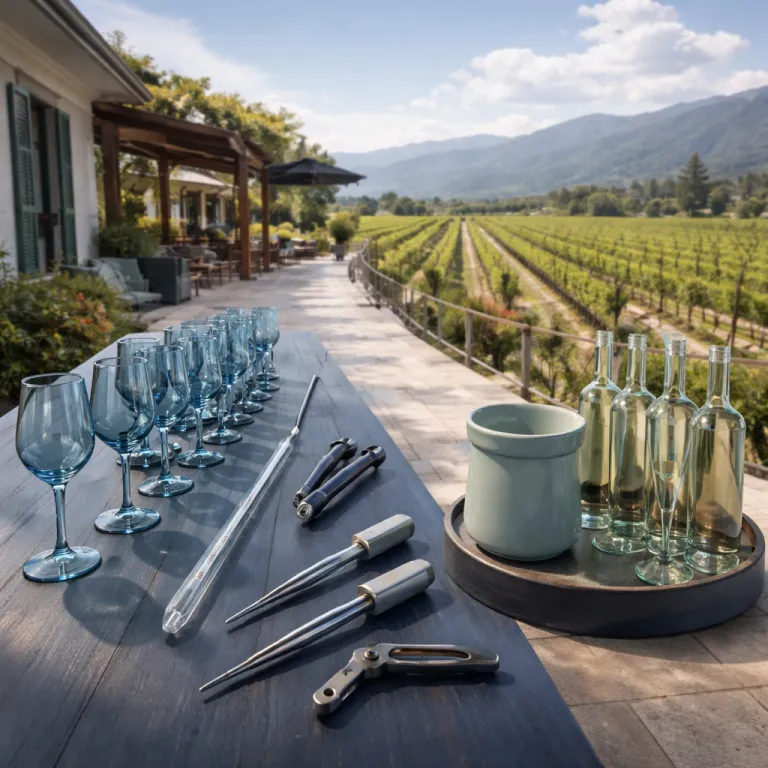
From Santiago to the sea: framing wine tourism in Chile’s valleys
Wine tourism in Chile’s valleys starts naturally in Santiago, where the Andes rise sharply behind the city and the Pacific lies just over the hills. From here, a couple can turn a simple car rental into a curated road trip that threads each valley and its wines into one coherent journey. This is not about ticking off tastings but about letting each region’s bottles shape where you sleep, what you eat, and how you move through the country.
The main arc runs from the cool Pacific side near Casablanca to the warmer Maipo and Colchagua valley heartlands, then on toward the rustic Maule region. Along this wine route, luxury and premium hotels sit inside or beside working vineyards, so your wine tasting continues on the terrace, by the pool, or in a private spa suite. Because wine-focused experiences in Chile’s central valleys are growing fast, with more vineyards opening to visitors every season, advance planning is essential for securing the best rooms, private tours, and English-speaking guides.
Think of the journey as a sequence of wine regions rather than isolated wineries, each valley offering a distinct climate, grape focus, and style of Chilean food. The coastal Casablanca valley leans toward white wines and elegant pinot noir, while Maipo valley is the historic cradle of cabernet sauvignon and structured reds. Farther south, Colchagua and Maule valleys showcase powerful Chile wine expressions and old vineyards that still feel deeply connected to the country’s rural traditions.
Casablanca valley: ocean cooled whites and vineyard hotels within easy reach
Leaving Santiago by car, you reach the Casablanca valley in under an hour, driving west toward the Pacific through low hills and eucalyptus groves. In normal traffic, the 80–90 kilometer drive from central Santiago to the heart of the valley takes about 60–75 minutes. This valley is the ideal first stop for wine tourism Chile valleys itineraries, especially for couples who want a gentle start with ocean cooled sauvignon blanc and pinot noir. Morning fog and afternoon breezes keep the vineyards cool, giving the wines a tension and freshness that pairs beautifully with seafood focused Chilean food.
Many wineries here offer structured wine tasting flights that highlight the contrast between sauvignon blanc, chardonnay, and more experimental white wines. Expect to pay roughly USD 20–40 (or the equivalent in Chilean pesos) per person for standard tastings, with higher prices for premium or reserve flights. You will find both intimate cellar rooms and contemporary glass walled tasting lounges that look directly over the valley wine slopes, making it easy to linger over several wines without rushing. Because Casablanca is a gateway region, some estates accept walk in visits, but the best private tours and gastronomic pairings still require advance reservations.
For luxury minded travelers, the smartest move is to book a premium hotel either on a vineyard estate or just outside the valley, then use it as a base for day tours. Nightly rates at upscale properties typically start around USD 250–300 and rise for suites with vineyard views or private hot tubs. This allows you to enjoy late afternoon tastings without worrying about driving, especially if you arrived by bus or private transfer from Santiago, which usually costs from USD 120–200 each way for a car and driver. If you prefer curated experiences, consider combining a Casablanca valley stay with one of the elegant day trips from Santiago, so your first nights in the country balance city energy with vineyard calm.
Maipo valley: cabernet sauvignon heritage and easy luxury escapes from Santiago
Turning back toward the capital, the road into Maipo valley feels different, with the Andes now closer and the air drier. Depending on which subzone you visit, the drive from central Santiago ranges from 30 minutes to just over an hour. This is the historic cradle of Chile wine, where cabernet sauvignon first took root and where some of the country’s most established wineries still define the region’s style. For wine tourism Chile valleys travelers, Maipo offers the most convenient blend of serious wines, refined tasting rooms, and short travel times from central Santiago hotels.
Here you can visit Viña Concha y Toro or Viña Santa Carolina, both emblematic wineries that showcase how Chilean wine evolved from traditional cellars to modern estates. Guided tours often include vineyard walks, barrel room visits, and structured wine tasting sessions that compare cabernet sauvignon with blends and other red wines from the same valley. Typical tour and tasting packages start around USD 25–35 per person and increase for small-group or premium-label experiences. Because many tours in this region are popular with international visitors, you will find that “Are there wine tours available in English?" and “Do I need to book wine tours in advance?" are answered clearly by wineries themselves, with most confirming that “Yes, many wineries offer English-guided tours." and “Advance booking is recommended, especially during peak seasons."
Luxury and premium hotels in and around Maipo valley tend to emphasize service, spa facilities, and easy logistics over rural isolation. Couples can base themselves in a high end property in Santiago, then arrange private transfers or small group tours by bus or car into the valley for the day. Expect to pay from USD 150–250 per person for full-day private excursions that include transport and tastings, with lower prices for shared tours. If you prefer to stay closer to the vineyards, look for estates that combine on site restaurants focused on Chilean food with curated cellar experiences, so every meal becomes an extension of your time among the vines.
Colchagua valley and Santa Cruz: vineyard stays, architecture, and deep reds
Driving south from Maipo, the landscape opens into broader plains before you reach the Colchagua valley and the small city of Santa Cruz. The journey from Santiago to Santa Cruz covers roughly 180 kilometers and usually takes around three hours by car. This region has become a reference point for wine tourism Chile valleys itineraries, especially for couples seeking immersive vineyard hotels and serious red wines. Here, the focus shifts toward carmenère, cabernet sauvignon, and blends that show the full power of the region’s warm days and cool nights.
In and around Santa Cruz, you will find properties such as Viña Montes, known for its feng shui inspired winery design and premium wines that attract visitors from across South America. The valley hosts around thirty wineries open to visitors, and many offer in depth tours that move from vineyards to gravity fed cellars, ending with seated wine tasting flights of several wines. Standard tastings often start near USD 20–30 per person, with more elaborate food pairings and vertical tastings priced higher. Because Colchagua valley is more spread out than Casablanca or Maipo, a rental car gives you maximum flexibility, although some travelers prefer curated tours that handle driving and reservations.
High end vineyard hotels here often double as art spaces, with striking architecture and collections that rival urban galleries, making the region one of the best for design conscious travelers. Many estates integrate Chilean food into multi course menus that pair local ingredients with specific valley wine selections, from structured cabernet sauvignon to more experimental blends. When planning your stay, consider at least two nights in the region so you can balance winery visits, spa time, and perhaps a side trip to explore refined food experiences in Santiago before or after your Colchagua immersion.
Maule and beyond: rustic charm, natural wines, and slower travel
Continue south and the Maule valley signals a shift from polished estates to a more rustic, quietly confident wine culture. The drive from Santa Cruz to key Maule towns such as Talca or San Javier usually takes 90 minutes to two hours, depending on your exact route. This region is where wine tourism Chile valleys narratives broaden to include old bush trained vineyards, natural wines, and small family run wineries that still work with historic grape varieties. The atmosphere is slower, the roads narrower, and the sense of being in the agricultural heart of the country much stronger.
Here, couples interested in deeper immersion can arrange tours that focus on traditional vineyards and minimal intervention wines, often guided by winemakers themselves. Tastings might include lighter reds from old vines, experimental white wines, and interpretations of Chile wine that feel very different from the structured cabernet sauvignon of Maipo valley. Prices vary widely, but many small producers charge modest fees or waive tasting costs when you purchase bottles to take away. Because infrastructure is less formal, it is wise to book visits well ahead and confirm directions, especially if you are driving rather than joining a small group bus tour.
Luxury and premium accommodation in Maule tends to be more understated, with charm and landscape taking precedence over overt opulence. Many properties emphasize proximity to nature, river views, and access to walking trails that complement the slower rhythm of the region’s wine route. If you are building a longer itinerary through several wine regions, Maule offers a thoughtful counterpoint to the more established wine valleys, giving your journey through Chile a satisfying narrative arc from polished to quietly authentic.
Gastronomic tours and hotel choices: pairing Chilean food with each valley’s wines
For couples planning this road trip through Chile, the most rewarding itineraries treat every meal as part of the wine tourism Chile valleys experience. Gastronomic tours can be arranged in each valley, often starting with a vineyard walk and ending with multi course menus that pair local Chilean food with specific wines. In Casablanca, that might mean sauvignon blanc and pinot noir alongside ceviche and Pacific fish, while in Maipo valley, cabernet sauvignon anchors dishes built around slow cooked meats.
Colchagua valley and Santa Cruz lean into richer flavors, with grilled lamb, stews, and robust cheeses matched to powerful red wines that reflect the region’s warm climate. Many wineries now offer tasting Chile menus that highlight both white wines and reds, allowing you to compare how different grapes express the same valley wine character. In Maule and the broader south of the country, rustic dishes and seasonal produce often accompany more experimental wines, including skin contact whites and lighter reds that challenge traditional expectations.
When choosing hotels, prioritize properties that integrate gastronomy into their identity, whether through on site restaurants, chef led tours, or close partnerships with nearby wineries. Some estates, such as Casas del Bosque in Casablanca valley, combine vineyard views with refined dining, making them ideal overnight anchors on your wine route. Others, including urban luxury hotels in Santiago, can arrange private transfers, curated tours, and even in room tastings, ensuring that your exploration of Chile’s wine regions continues seamlessly from vineyard to suite.
Practical planning: transport, timing, and extending your Chilean journey
Turning this wine tourism Chile valleys concept into a real trip requires clear decisions about timing, transport, and pacing. Harvest season, typically in March and April, offers the most vibrant atmosphere, with grapes on the vines and wineries buzzing with activity, but it also demands earlier hotel and tour bookings. Outside harvest, you will find quieter tasting rooms, more flexible appointments, and often better availability in luxury and premium properties across each valley.
Most couples start in Santiago, renting a car at the airport or in the city before driving first to Casablanca valley, then looping back through Maipo valley and down to Colchagua and Maule. A compact rental car usually costs from around USD 40–60 per day, with higher rates for SUVs or automatic transmissions. Self drive offers the greatest freedom, but if you prefer not to handle the wheel, a mix of private transfers and small group bus tours can still connect you to key vineyards and wineries. Remember to factor in driving distances, especially when planning evening wine tasting sessions, and consider staying on site at vineyards when possible to keep logistics simple.
To extend the journey beyond wine regions, many travelers pair this route with a few days in Chile’s Lake District, where hot springs and forested landscapes offer a different kind of sensory immersion. A stay near thermal resorts, such as those highlighted in this guide to Chile’s lake district hot springs worth the detour, can be a restorative finale after several days of tastings. Whether you end your trip in the south or return to Santiago for a final night in a high floor suite, the sequence of valleys, wines, and landscapes will have given you a layered understanding of the country that goes far beyond a single glass.
Key figures shaping wine tourism in Chile’s valleys
- According to data referenced by Chile’s national tourism authorities and industry reports from the early 2020s, Chile produces on the order of one billion liters of wine annually, a scale that places the country among the leading wine producers in South America and underpins the diversity of experiences available across its valleys.
- Regional wine travel guides and local tourism boards indicate that Colchagua valley hosts about 30 wineries open to visitors, giving travelers a dense concentration of cellar doors and vineyard hotels within a relatively compact region.
- Across Chile’s central wine regions, estimates from Chile Travel and sector studies suggest that more than two hundred vineyards welcome visitors, and that number has been growing steadily in the last decade, reflecting sustained investment in wine tourism infrastructure.
- Harvest season, typically in March and April, concentrates many of the country’s forty plus vendimia harvest festivals, turning the wine route into a cultural as well as gastronomic journey, as highlighted in official Chile Travel event calendars.
Frequently asked questions about wine tourism in Chile’s valleys
What is the best time to visit Chile’s wine regions for this road trip ?
Harvest season in March and April is the most atmospheric period, with grapes on the vines, active cellars, and many special events. However, it is also the busiest time, so luxury and premium hotels in Casablanca, Maipo valley, Colchagua valley, and Maule can book out weeks in advance. Outside harvest, you will find quieter wineries, more flexible tastings, and often better room availability while still enjoying excellent wines.
Do I need to book wine tours and tastings before I arrive ?
Advance reservations are strongly recommended, especially for high end wineries and gastronomic experiences. Popular estates in Maipo valley, Casablanca valley, and Colchagua valley often limit daily visitor numbers to preserve a calm atmosphere and ensure high quality wine tasting sessions. Smaller producers in Maule may require even more notice, as they frequently host visitors personally and plan their schedules around confirmed appointments.
Can I visit Chile’s wine valleys without renting a car ?
Yes, it is possible to explore the main wine regions using a mix of private transfers, organized tours, and occasional bus services. From Santiago, many operators run day trips to Maipo valley and Casablanca valley, and some offer multi day itineraries that include Santa Cruz and Colchagua valley. That said, renting a car gives couples more freedom to choose their own pace, linger at favorite wineries, and stay in more remote vineyard hotels.
Are wine tours in Chile suitable for travelers who speak only English ?
Most major wineries in the central valleys offer tours and tastings in English, especially those that receive regular international visitors. In Maipo valley and Casablanca valley, English language tours are standard, while in Colchagua valley and Maule you may need to request them when booking. For a smoother experience, confirm language options in advance and consider private guides if you want deeper technical explanations about the wines.
How many days should a couple plan for a wine focused road trip ?
A focused itinerary can work in three days, with one night near Casablanca valley and two nights split between Maipo valley and Colchagua valley. For a more relaxed pace that includes Maule and additional gastronomic tours, five to seven days allows time for unhurried tastings, spa sessions, and long lunches. The key is to limit the number of wineries per day so that each visit feels meaningful and every glass of Chile wine can be enjoyed without rushing.