Why boragó restaurant in Santiago, Chile now shapes luxury itineraries
Boragó restaurant in Santiago, Chile has quietly rewritten what fine dining means in this long, narrow country. For food focused travelers booking premium hotels in Santiago, the restaurant has become as decisive as a view of the Andes or a rooftop pool, because borago now anchors serious gastronomic tours across Chile. When you plan a stay, the question is no longer whether to visit borago santiago, but how to build your entire dining route around one unforgettable evening.
The restaurant sits in the Vitacura district of Santiago, close to the Mapocho River and within easy reach of the city’s best hotels and other high level restaurants. From the moment you step into the dining room, the atmosphere feels more like a contemporary art space than a traditional restaurant santiago setting, yet the warmth of Chilean hospitality softens every edge and keeps the experience grounded. For solo travelers, the room’s layout and attentive team make dining borago feel intimate rather than intimidating, even when you are navigating a long tasting menu alone.
At the heart of boragó restaurant Santiago Chile is chef Rodolfo Guzmán’s obsession with Chilean terroir and native ingredients sourced from across the country. Working with more than two hundred foragers, small farmers and fishermen, chef Rodolfo turns the endemica menu into a living map of Chile, from the Atacama desert in the north to the cold waters near Easter Island in the Pacific. This is why borago now ranks among Latin America’s best restaurants and why many guests consider it the single best restaurant to understand Chile through flavor rather than through statistics or guidebook clichés.
Inside the endémica menu: a tasting journey through Chile’s extremes
The current endemica menu at boragó restaurant Santiago Chile is not a static list of dishes, but a constantly shifting narrative of Chilean landscapes. There is no permanent signature dish, because the kitchen responds to micro seasons, foraging conditions and the availability of native ingredients that might only appear for a few days. As the team itself explains to guests, “Boragó's menu evolves seasonally; no fixed signature dish.”
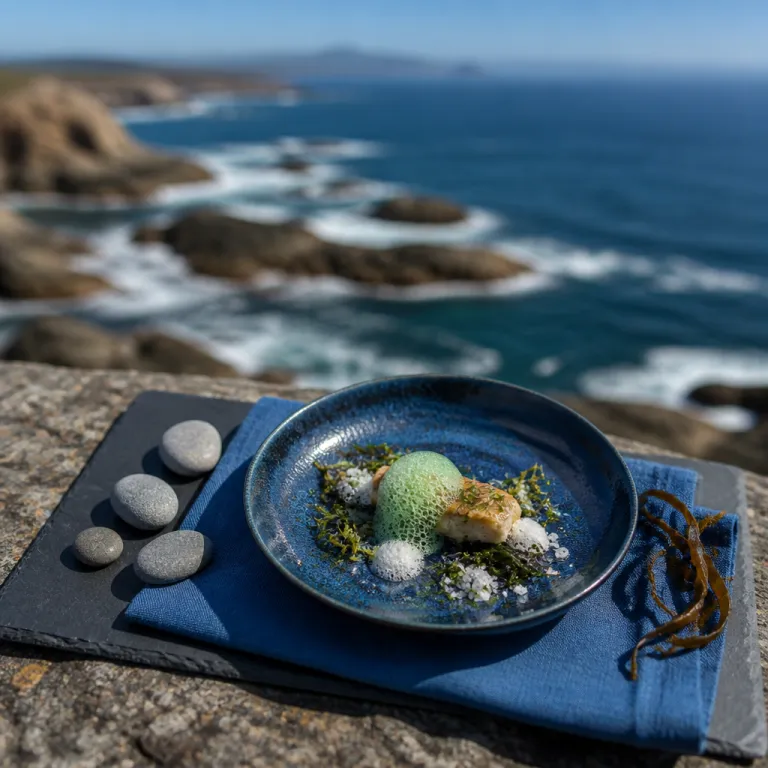
A typical tasting menu might open with a delicate crudo that captures the cold Pacific, perhaps a translucent slice of fish brushed with seaweed oil and served in a shallow bowl that smells faintly of the shore. Another course could highlight sweet Patagonian crab, paired with coastal herbs and a whisper of smoke, reminding you that this country stretches along one of the world’s longest maritime frontiers. Later, you might encounter an almost sculptural plate where alfalfa truffle appears shaved over roots and leaves, a fine dining gesture that still respects the raw power of the ingredients.
Throughout the meal, the flavors feel both precise and wild, like a controlled expedition through Chile rather than a conventional restaurant parade of luxury products. One course might reference the Atacama desert with dehydrated elements and concentrated juices, while another evokes Easter Island through seaweed textures and volcanic tones on the plate. If you are planning a broader Santiago food itinerary, this is the place to start before exploring other refined experiences in the city’s best restaurants, and you can deepen that planning with this guide to Santiago food experiences for luxury travelers.
From foraging to fermentation: how boragó redefines Chilean ingredients
What sets boragó restaurant Santiago Chile apart from many other restaurants in Latin America is not only technique, but the radical commitment to Chilean ingredients and native food traditions. Chef Rodolfo works with an extended network of foragers and small producers who bring wild herbs, coastal seaweed, rare fruits and ancient grains into the kitchen, often in quantities too small for conventional restaurant supply chains. This collaboration turns each course into a quiet act of preservation, where indigenous knowledge and contemporary fine dining share the same plate.
Fermentation plays a central role in the menu, allowing the team to stretch short seasons and intensify flavors that might otherwise disappear from the dining room after a single week. A simple bowl of vegetables can carry months of work, with pickled stems, aged juices and dried leaves layered into a seemingly minimal dish that tastes unexpectedly deep. Even the ice cream course at the end of the meal often reflects this philosophy, using native fruits or herbs rather than generic chocolate, and reminding you that dessert can be as terroir driven as any savory plate.
For travelers, this approach means that dining borago becomes a lens through which to understand the country before you head to vineyards or remote lodges. Tasting a crab preparation here might change how you order seafood later in Valparaíso, while a seaweed focused course could inspire you to seek coastal markets after your stay in Santiago. If your trip coincides with harvest season, you can extend this immersion by attending regional celebrations highlighted in this overview of Chile’s harvest festival season, where the same ingredients often appear in more rustic, communal forms.
Reservations, hotel strategies and pairings: how to plan your boragó night
Securing a table at boragó restaurant Santiago Chile requires planning, especially if you are coordinating hotel bookings and wider gastronomic tours. Reservations are handled online through the official borago restaurant system, and prime weekend slots can disappear quickly, so align your hotel dates with available dining room times before locking flights. If you are staying at a high end property, ask the concierge to monitor cancellations, because last minute openings sometimes appear for solo travelers or small parties.
Once your tasting menu is confirmed, think carefully about pairings, because they shape how you experience the food and the country. The wine pairing leans into Chile’s extraordinary diversity, moving from coastal whites to structured reds, often highlighting producers who share borago santiago’s focus on terroir and minimal intervention. If you prefer a lighter approach, the juice pairing offers a non alcoholic route through native fruits, herbs and even fermented infusions, turning each course into a dialogue between glass and plate rather than a one way performance.
Luxury hotel guests often schedule a lighter day around their boragó dinner, perhaps a gentle walk through Santiago’s parks or a short visit to nearby galleries that echo the restaurant’s van Gogh like play with color and texture. The next day, many travelers head into wine country, using the memory of the endemica menu as a guide when choosing vineyards and tasting rooms. To maximize benefits across multiple stays and dining focused trips, consider how premium loyalty programs work in Chile by reading this analysis of exclusive benefits in premium hotel loyalty programs, which can translate into better concierge access and priority support for coveted reservations.
Beyond boragó: building a Chile wide gastronomic itinerary from Santiago
For many solo explorers, boragó restaurant Santiago Chile is the spark that justifies a long haul flight, but the experience becomes richer when you extend it into a broader Chilean journey. Start with a few nights in Santiago, using borago as your anchor and then exploring other top tier restaurants that interpret Chilean food through different lenses, from minimalist counter dining to more classic white tablecloth service. This layered approach lets you compare how various chefs handle similar ingredients, whether a simple crudo of local fish or a complex course built around foraged herbs.
From the capital, you can move north toward the Atacama desert, where lodge kitchens now echo some of borago santiago’s techniques, using solar cooking, native grains and desert herbs to create unexpectedly refined dishes. Further west, coastal towns offer a more direct relationship with the sea, where bowls of crab stew, grilled fish and seaweed salads show the same ingredients in their most elemental forms, far from the controlled environment of a fine dining restaurant. If Easter Island is on your route, pay attention to how local cooks treat the ocean, because you will recognize flavors and textures that first appeared in your tasting menu back in Santiago.
Throughout this journey, keep an eye on how Chile’s best restaurants talk about provenance, sustainability and indigenous knowledge, themes that chef Rodolfo and his team have helped bring to the forefront of Latin America’s culinary conversation. Whether you are seated at DeMo Magnolia’s intimate fifteen guest experience inside Hotel Magnolia or at a rural inn serving a single daily dish, the influence of borago restaurant is now woven into the country’s gastronomic identity. For the luxury traveler, that means every reservation, from a grand dining room to a modest roadside stop, becomes part of a single, coherent story about Chilean terroir and the people who bring it to the table.
FAQ
How far in advance should I book boragó restaurant in Santiago, Chile ?
Plan to book boragó restaurant Santiago Chile several weeks ahead, especially for weekend evenings and peak travel periods. Use the official online reservation system first, then ask your hotel concierge to monitor for cancellations if your preferred date is unavailable. Solo travelers often have more flexibility, so indicate willingness to accept counter or early seating options.
Does boragó accommodate dietary restrictions or vegetarian menus ?
Boragó can accommodate many dietary restrictions, including vegetarian or certain allergy based needs, but only with prior notice at the time of booking. Because the endemica menu relies heavily on seasonal Chilean ingredients and complex preparations, last minute changes are difficult for the kitchen. Communicate clearly through the reservation platform and confirm again with the staff when you arrive at the dining room.
Is the wine pairing at boragó worth choosing over the juice pairing ?
The wine pairing at boragó restaurant Santiago Chile is ideal if you want a structured tour of Chilean vineyards, from coastal valleys to high altitude sites. The juice pairing suits guests who prefer a non alcoholic experience or want to focus more on the food’s subtle flavors without alcohol. Both options are thoughtfully designed, so the best choice depends on your drinking preferences and how you plan the rest of your evening.
What should solo travelers know before dining at boragó ?
Solo guests are common at boragó, especially among international travelers building itineraries around Latin America’s best restaurants. The staff are attentive without being intrusive, and the pacing of the tasting menu works well for single diners who want time to observe the open kitchen and the flow of the dining room. If you feel more comfortable with conversation, request a seat with a partial view of service, where interaction with the team comes naturally.
How does boragó compare to other fine dining restaurants in Santiago ?
Boragó stands out for its exclusive use of Chilean ingredients and its deep collaboration with foragers and small producers, which gives the menu a uniquely terroir driven character. Other fine dining restaurants in Santiago may offer broader international influences or more classic luxury cues, such as larger wine lists or more traditional service styles. For a complete view of the city’s gastronomic scene, combine a night at boragó with one or two contrasting restaurants during your stay.