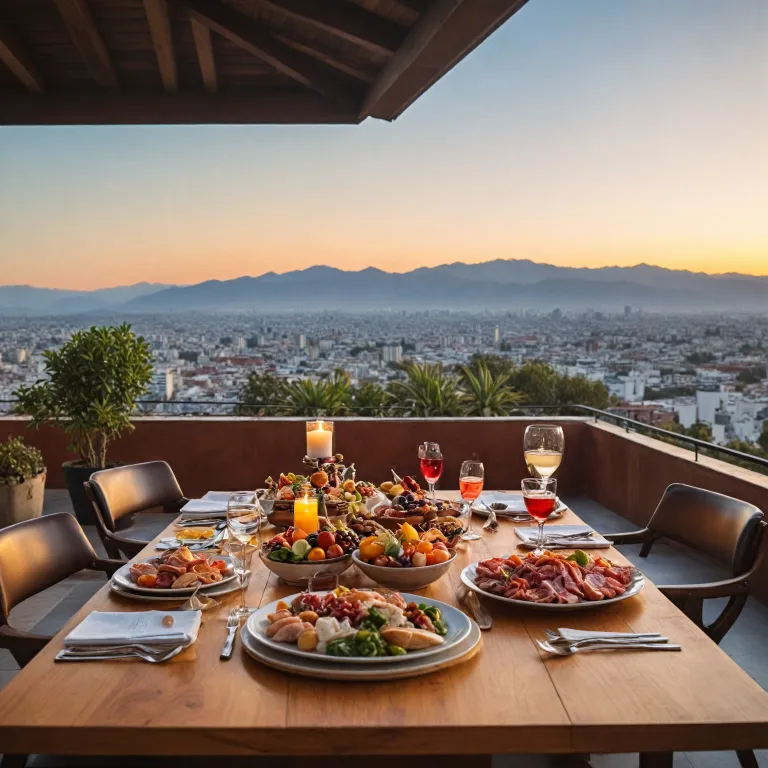
Gourmet Santiago Chile food journeys from a luxury hotel base
Planning a refined escape to Chile often starts with choosing a hotel, yet the real magic begins when Santiago Chile food culture meets luxury hospitality. In the capital, high end properties curate access to chilean food traditions while offering polished service, spacious suites, and attentive concierges who understand serious gastronomy. This blend lets you eat like a local in santiago while enjoying the comfort of a private dining room, rooftop pool, and discreet staff coordination.
Many premium hotels in Santiago Chile now design tasting itineraries that highlight emblematic chilean dishes and wines from the central valleys. You might start with empanadas and pastel de choclo served in a heritage style restaurant, then continue to a seafood focused venue where razor clams, king crab, and ceviche showcase the best of food Chile from the Pacific coast. These curated routes help guests understand how each traditional chilean dish reflects geography, from the Atacama Desert in the north to the lush south near Patagonia.
For travelers comparing properties, it is worth asking how deeply the concierge team engages with local restaurant partners. Some luxury hotels collaborate with chefs who champion sustainable fishing, echoing initiatives led by figures such as Gabriel Layera, to ensure seafood dishes are both good and responsibly sourced. Others emphasize meat focused experiences, pairing grilled cuts and thinly sliced charcuterie with chilean wine flights that highlight the diversity of south America’s longest country.
Within the city, La Vega Central remains a reference point for understanding everyday chilean food and seasonal produce. High end hotels often arrange guided visits where guests can taste mote con huesillo, sample chili pepper varieties, and learn how ingredients travel from market stalls to fine dining plates. These excursions turn a simple market walk into a structured Santiago Chile food lesson that enriches every restaurant reservation you make afterward.
How luxury hotels frame Santiago Chile food for discerning guests
For travelers used to premium service, the challenge in Santiago is not finding chilean dishes, but selecting the right context in which to enjoy them. Luxury hotels act as filters, steering guests toward restaurants where traditional chilean recipes meet polished presentation, attentive service, and reliable wine lists. This curation matters when you have limited nights in Chile and want each dish, from ceviche to pastel de choclo, to feel memorable rather than routine.
Many concierges maintain shortlists of venues that treat chilean food with respect while embracing innovation. You may be guided to a dining room where seafood is served alongside vegetables from small producers, or to a grill house where meat is handled with the same care as fine wine. These recommendations often include both classic restaurant institutions and newer addresses in neighborhoods like Barrio Italia, where food Chile culture blends with design forward interiors and relaxed yet elegant service.
When choosing where to stay, travelers focused on gastronomy should review how each property integrates food experiences into its broader offering. Some hotels pair tasting menus with spa rituals or vineyard excursions, creating multi day itineraries that balance indulgence and rest. For a broader perspective on refined stays, many guests consult an elegant guide to the best hotels in Chile for discerning travelers, then cross reference those options with the city’s most respected Santiago Chile food addresses.
Price transparency also helps set expectations, especially for traditional chilean dishes that appear both in markets and upscale restaurants. Knowing that an empanada or a generous portion of pastel de choclo has a typical price range in Santiago allows you to judge whether a premium is justified by service, setting, and wine pairing. In this way, luxury travelers can appreciate both humble dishes and elaborate tasting menus while feeling confident about value.
From empanadas to king crab: structuring a refined Santiago tasting itinerary
A thoughtful Santiago Chile food itinerary begins with understanding how everyday dishes translate into elevated experiences. Start with empanadas in a traditional restaurant, then compare them with versions served in hotel lounges where fillings, dough, and sauces are refined but still rooted in chilean food heritage. This contrast reveals how chefs reinterpret classics without losing the soul of traditional chilean cooking.
Seafood deserves a central place in any plan, especially for guests staying several nights in Santiago Chile before heading south. Look for venues that highlight razor clams, king crab, and ceviche, ideally sourced through artisanal fishing networks that respect marine ecosystems. In such restaurants, each dish is served with context, explaining how food Chile traditions along the coast influence what appears on your plate in the capital.
Meat lovers will find that Santiago’s grills offer more than simple steaks, especially when guided by a knowledgeable concierge. Expect thinly sliced cuts, slow cooked specialties, and offal dishes that showcase the full range of chilean dishes, often paired with robust red wine from the Maipo or Colchagua valleys. These meals can be structured as leisurely evenings, ideal for couples who might later continue their journey using inspiration from romantic luxury hotels in Chile for exceptional escapes.
Do not overlook casual icons such as the completo, Chile’s famous hot dog, introduced by Eduardo Bahamondes and now central to urban food culture. In places like Fuente Alemana, the hot dog and the larger sandwiches are served with generous toppings, turning a simple snack into a satisfying meal. Tasting these alongside more formal restaurant experiences helps travelers understand how Santiago Chile food culture spans street counters, markets, and white tablecloth dining rooms.
Iconic addresses and what they reveal about Santiago Chile food culture
Certain addresses in Santiago act as gateways into the city’s layered relationship with food, tradition, and modern hospitality. La Vega Central, for example, offers a dense snapshot of chilean food, from fresh produce to stalls where mote con huesillo and mote con helado provide sweet relief on hot days. Luxury hotels often coordinate early morning visits, allowing guests to see how ingredients that later appear in refined dishes are traded, cleaned, and prepared.
Fuente Alemana occupies another important place in the Santiago Chile food story, especially for travelers curious about sandwiches and the evolution of the hot dog. Here, the completo and other creations are served quickly yet with a sense of ritual, reflecting decades of practice behind the counter. Watching the staff assemble each sandwich with thinly sliced toppings, sauces, and sometimes chili pepper gives insight into how fast food Chile style can still feel crafted.
In contrast, specialty tea houses such as Yum Cha show how international influences weave into the local scene. While not traditional chilean in origin, these venues sit comfortably alongside restaurants that focus on empanadas, pastel de choclo, and seafood dishes, illustrating Santiago’s openness to global flavors. For hotel guests, this means a single neighborhood can offer both chilean dishes and Asian inspired yum cha experiences within a short walk.
High end properties use these landmarks to build narratives for guests who want more than a list of restaurant names. A typical day might include a market visit, a relaxed lunch of seafood and chilean wine, an afternoon tea session, and an evening in a fine dining room. By the time travelers return to their suites, Santiago Chile food culture feels less abstract and more like a lived, layered journey.
Linking regional flavors, wine, and luxury stays across Chile
Many visitors use Santiago as a starting point before exploring other regions of Chile, and food is often the thread that connects each stage. From the Atacama Desert in the north to the green landscapes of the south, traditional chilean recipes adapt to local ingredients while maintaining recognizable structures. Luxury hotels across the country increasingly coordinate with one another, helping guests trace how a dish or wine style evolves as they move through south America’s varied climates.
In the capital, wine focused experiences often begin with tastings that pair chilean dishes such as empanadas, ceviche, and meat skewers with bottles from nearby valleys. Sommeliers explain how altitude, soil, and coastal influence shape each wine, turning a simple glass into a lesson in food Chile geography. These sessions prepare travelers for visits to vineyards, where lunches are served overlooking vines and menus highlight seasonal produce, seafood, and grilled meats.
Wellness oriented travelers may prefer properties that combine gastronomy with spa programs and nature excursions. A stay that includes refined Santiago Chile food, vineyard visits, and time in a wellness retreat can be planned using resources on luxury spa hotels in Chile, which outline options from the capital to Patagonia. Such itineraries allow guests to balance indulgent dishes, including rich desserts and ice cream, with outdoor activities and restorative treatments.
Throughout these journeys, small details reinforce a sense of place, from the use of chili pepper in sauces to the presence of mote con huesillo on dessert menus. Even casual moments, such as sharing hot dogs at a roadside stand or tasting king crab in a coastal town, become part of a coherent narrative. By the time travelers return to Santiago Chile for their final nights, they can read each restaurant menu as a map of the country they have just crossed.
Practical tips for enjoying Santiago Chile food from a premium hotel base
Maximizing your Santiago Chile food experience while staying in a luxury or premium hotel requires a blend of planning and flexibility. Start by sharing your preferences with the concierge, mentioning whether you prioritize seafood, meat, or vegetarian chilean dishes, and how adventurous you feel about street style options. This helps staff balance reservations at formal restaurants with suggestions for casual stops such as Fuente Alemana or market stalls serving mote con huesillo.
Consider structuring your days so that heavier meals, like meat focused lunches or rich pastel de choclo, occur earlier, leaving evenings for lighter seafood or ceviche. In the city’s heat, especially during hot afternoons, many travelers appreciate breaks for ice cream or chilled drinks, which hotels can arrange near key sights. When possible, walk between meals to build appetite and notice smaller eateries, from sandwich counters to yum cha tea houses, that might not appear in standard guides.
Safety and hygiene are generally strong in central Santiago, yet it remains wise to follow local advice when choosing where to eat street food. Ask hotel staff which vendors are known for consistently good hot dogs, empanadas, or mote con helado, and which seafood stalls handle razor clams and other shellfish with care. This approach lets you enjoy the full spectrum of food Chile offerings while minimizing risk.
Finally, remember that chilean food culture values sharing, conversation, and unhurried meals, especially when wine is involved. Allow time for each restaurant visit, whether in a formal dining room or a simple sandwich shop, so that dishes can be served at the right pace. By aligning your schedule, hotel choice, and curiosity, you transform Santiago Chile food from a checklist into a central, luxurious thread of your journey.
Key statistics on Santiago Chile food and dining costs
- Food inflation in Chile recently registered a rate of 4.2 %, influencing restaurant pricing and hotel menu adjustments in Santiago.
- The average price of an empanada de pino in Santiago is around 3 500 CLP, with premium venues sometimes charging more for elevated versions.
- A typical portion of pastel de choclo in traditional restaurants costs about 11 000 CLP, helping travelers budget for classic chilean dishes during their stay.
Frequently asked questions about Santiago Chile food
What are some must try traditional dishes in Santiago ?
Empanadas de pino, pastel de choclo, cazuela, and paila marina are traditional Chilean dishes worth trying.
Where can I experience Santiago's food culture ?
La Vega Central market and Barrio Italia are notable places to explore Santiago's diverse food offerings.
What is the completo ?
The completo is a Chilean hot dog variation, typically topped with ingredients like chopped tomatoes, avocados, mayonnaise, and sauerkraut.