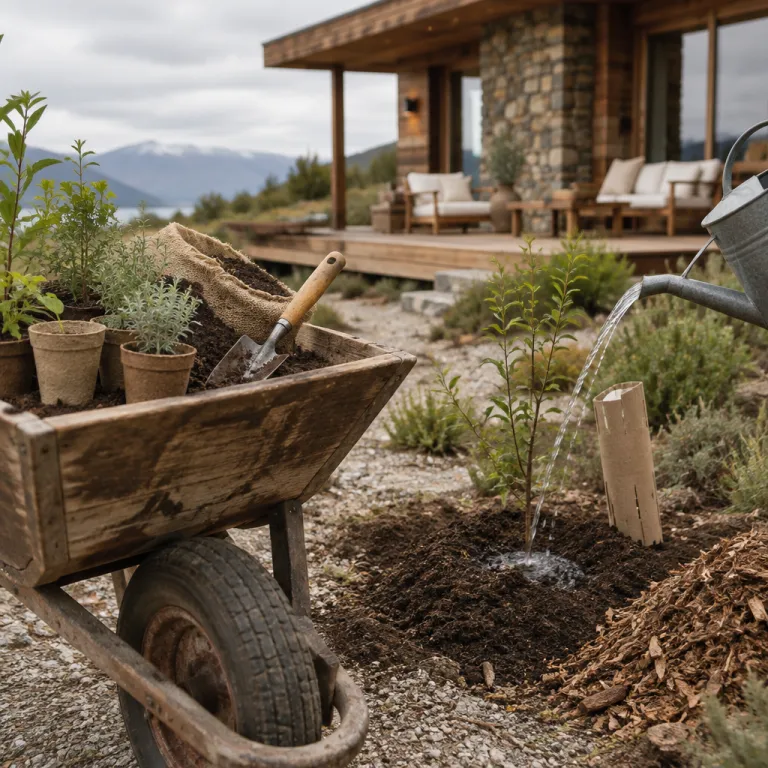
From eco gestures to conservation as the main event
World Tourism Day lands differently when you are planning sustainable luxury travel in Chile. In a long, narrow country where glaciers, desert and island cultures sit side by side, the best luxury lodges now treat conservation as the product rather than a polite add on. That shift is reshaping how solo travellers think about every day of their journey, from Santiago to the far south of Patagonia.
In the early days, sustainable luxury in Chile meant low flow showers, recycled wood and an eco friendly label on the minibar. Today, leading properties in Torres del Paine and across the Paine National Park region are leasing degraded estancias, rewilding former sheep pasture and placing thousands of hectares under private protection in partnership with the national park authorities. This is where sustainable luxury travel in Chile becomes tangible, because you can literally see guanacos and pumas returning to valleys that were once overgrazed desert like steppe.
The same pattern plays out in the Atacama Desert, where lodges around San Pedro de Atacama and the village often called Pedro Atacama have moved beyond solar heated pools and reusable bottles. Many now fund local guides from nearby communities, invest in water saving technology that respects the desert aquifers and limit vehicle numbers on fragile routes each day. For a solo explorer planning travel in Chile, that means your private guide is not just interpreting the landscape ; they are part of a local conservation and employment strategy that runs from the Atacama to Tierra del Fuego.
On Easter Island, or Rapa Nui as local residents rightly prefer, the most thoughtful luxury travel projects work hand in hand with the island council and the national park service. Here, sustainable luxury travel in Chile is inseparable from cultural preservation, because the island’s stone moai, language and traditions are under as much pressure as its coastline. When you choose a property that employs Rapa Nui staff in management roles and supports controlled visitor flows to the national park sites, your stay becomes part of a wider South America story about indigenous leadership in tourism.
How to read a lodge’s sustainability claims this World Tourism Day
Marketing language around sustainable luxury can feel interchangeable, especially when every property in Chile promises to be eco friendly and community focused. World Tourism Day is a sharp reminder to move past slogans and ask precise questions before you book that private transfer from Santiago Chile to a remote valley. The answers you receive will tell you more about a lodge than any sunset view on its website.
Start with energy and water, because these two elements define whether sustainable luxury travel in Chile is more than a brochure phrase. Ask how much of the lodge’s power comes from renewable sources, and whether those solar panels or micro turbines operate year round in the Atacama Desert or in the windswept south near Tierra del Fuego. Then move to water, checking if greywater is treated for irrigation, if desert properties near San Pedro limit pool sizes and if Patagonia lodges in Torres del Paine avoid diverting streams inside or near the national park.
Food sourcing is the next filter for serious luxury travel in Chile, especially for solo travellers who care where each plate comes from. A property that talks about sustainable luxury but flies in most ingredients from outside the country is not aligned with the landscapes it sells every day. Look instead for lodges that work with local guides, farmers and fishers, publish transparent sourcing maps and adapt menus to the seasons in Patagonia, Atacama and the central valleys around Santiago.
Land protection is where the most ambitious Chile projects now stand out, a trend we track closely in our analysis of how Chile’s new luxury pipeline is redefining sustainable stays at Chile’s new luxury pipeline and sustainable stays. When a lodge controls or co manages thousands of hectares, ask what percentage is under formal conservation status and how that links to the surrounding national park network. In Torres del Paine, for example, some properties now manage private reserves that buffer Torres del Paine National Park, while in the far south near Tierra del Fuego and the archipelagos del Fuego, others are restoring native forest and peatlands that lock in carbon.
Why Chile is built for conservation led luxury journeys
Few countries offer such a clear laboratory for sustainable luxury as Chile, because the geography makes impact visible. From the driest desert on earth in the north to the ice fields of Patagonia in the south, every decision you make as a traveller leaves a trace on some of the planet’s most fragile ecosystems. That is why sustainable luxury travel in Chile is not a niche ; it is rapidly becoming the default expectation for discerning guests.
In the Atacama Desert, the contrast between mass tourism and carefully managed luxury travel is stark. Around San Pedro de Atacama, some operators still run convoys of vehicles to the same viewpoints each day, while others cap group sizes, use a private guide model and design routes that spread pressure across lesser known valleys. Our dedicated Atacama Chile map and guide for premium desert journeys at luxury Atacama desert stays and premium journeys highlights lodges that work with local guides to monitor trail erosion, invest in night sky protection and offer eco friendly astronomy sessions that keep light pollution low.
Further south, Patagonia has become a global reference point for conservation tourism, anchored by Torres del Paine National Park and the wider Route of Parks that stretches toward Tierra del Fuego. Here, sustainable luxury travel in Chile often means staying on former estancias that have shifted from sheep ranching to wildlife corridors, with private guides trained to interpret both the human and natural history of the land. A single clear day of hiking near the Torres peaks can show you how quickly glaciers are retreating, turning climate data into something you feel in your lungs and see in the changing view.
Energy experiments are also more visible in Chile than in many parts of South America, especially at altitude. High Andean lodges and desert properties are testing solar arrays, battery systems and low impact architecture that we have explored in depth in our feature on what Chile’s year of sustainable adventure actually looks like at solar panels at 10 000 feet and sustainable adventure. For a solo traveller, that means your private transfer might be in a low emission vehicle, your room in the Atacama Desert may be cooled by smart design rather than heavy air conditioning and your stay in Patagonia could help fund research inside Paine National Park.
Booking choices that let your stay mean something
World Tourism Day is a useful moment to confront the tension at the heart of long haul luxury travel. Flying to Chile from North America or Europe carries a carbon cost that no lodge, however eco friendly, can erase entirely. The question for a solo explorer is whether your time on the ground in Chile helps shift the balance toward regeneration rather than extraction.
One practical way to think about sustainable luxury travel in Chile is to treat your itinerary as a portfolio of impacts. Instead of racing from Santiago to the Atacama Desert, then down to Torres del Paine and finally out to Easter Island in a single short trip, consider slowing the journey and staying longer in fewer regions. A week based in San Pedro with a trusted private guide and local guides from nearby communities, followed by several days in a conservation focused lodge in Patagonia, often does more good than a rushed circuit of the entire country.
When you book, look for properties that are transparent about their partnerships with Chile’s national park system and local communities. Ask whether your stay contributes to trail maintenance in Torres del Paine, cultural programmes on Rapa Nui or rewilding projects in private reserves near Paine National Park and the islands off Tierra del Fuego. If a lodge in Santiago Chile or in the Atacama talks about sustainable luxury but cannot explain how many local staff it employs, how it trains them as private guides or how it supports the wider country beyond its gates, treat that as a red flag.
For solo travellers, the beauty of travel in Chile is that you can align your values with your view, day after day. Choosing a lodge that offers a thoughtful private transfer, invests in local guides and treats conservation as non negotiable turns each journey into a quiet act of support for the landscapes you came to see. On this World Tourism Day, responsible luxury in South America is no longer about scented candles and recycled paper ; it is about whether your presence helps keep the Atacama, Patagonia and Rapa Nui wild for the next traveller who will stand in the same place and feel the same wind.
FAQ
How can I tell if a Chilean luxury lodge is genuinely sustainable ?
Look for specific, verifiable practices rather than vague promises about being eco friendly or green. Ask about renewable energy use, water treatment, land under formal protection and the percentage of staff hired from local communities in Chile. Genuine sustainable luxury travel in Chile will be backed by clear data, conservation partnerships and transparent reporting rather than marketing slogans.
Is it better to visit Atacama, Patagonia or Easter Island on a short trip ?
With limited time, choose one region and stay longer rather than trying to see the Atacama Desert, Patagonia and Easter Island in a single rushed itinerary. For a first solo journey, many travellers opt for San Pedro de Atacama and nearby desert lodges, or for Torres del Paine and the surrounding national park area. Both regions offer strong private guide networks, impressive landscapes and a growing number of properties focused on sustainable luxury.
What questions should I ask before booking a private guide or excursion ?
Ask whether your private guide is employed year round, trained in Leave No Trace principles and connected to local communities in the area you will visit. Check group sizes, vehicle types, route choices and how many departures run each day to sensitive sites in Chile. Guides and operators who prioritise sustainable luxury travel in Chile will be open about limits they set to protect the desert, forests and national parks.
Does staying in a luxury lodge really help conservation in Chile ?
In some cases, yes, especially where lodges manage private reserves that buffer national parks or fund long term research and community projects. Your stay can support rewilding, trail maintenance and local employment in regions such as Torres del Paine, Tierra del Fuego and Rapa Nui. The key is to choose properties that treat conservation as central to their model rather than as a marketing add on.
How can solo travellers reduce their footprint while still enjoying Chile’s highlights ?
Solo travellers can reduce their footprint by staying longer in fewer places, choosing lodges with strong sustainability credentials and using shared or low emission transfers where possible. Opt for guided hikes and excursions that limit daily visitor numbers in fragile areas like the Atacama Desert and Paine National Park. Balancing flight emissions with on the ground conservation support is not perfect, but thoughtful choices make sustainable luxury travel in Chile more meaningful.