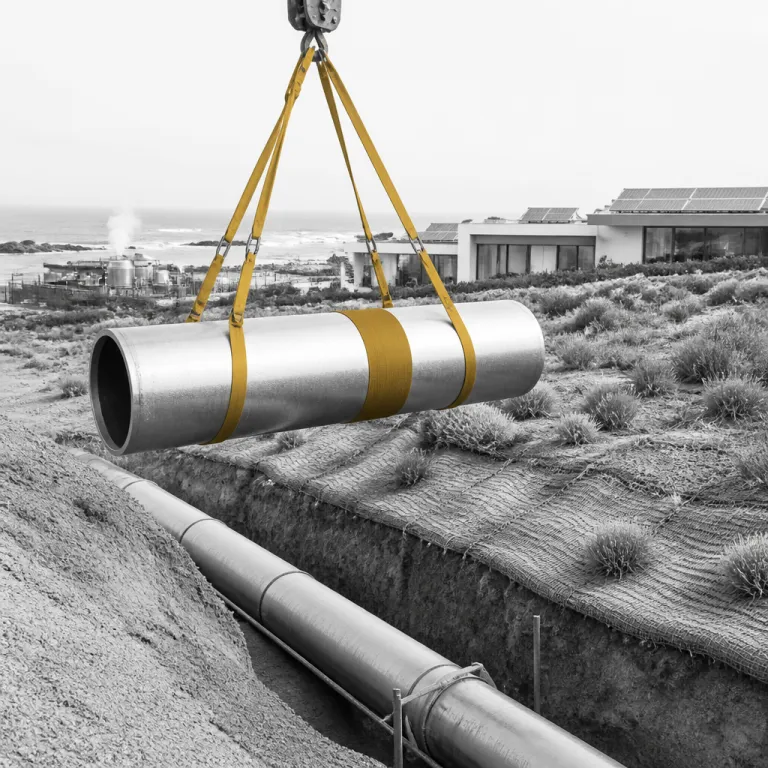
How Chile’s evolving luxury pipeline shapes sustainable hotel choices
Chile’s high end hotel scene is in a quiet transformation. The development pipeline of new luxury and premium properties increasingly focuses on sustainability, not just polished design and flawless service. For travelers, this evolving flow of projects means more options that respect landscapes while still offering refined comfort.
Across Santiago, Patagonia, and the Atacama Desert, the same investment stream now often includes projects built with renewable energy systems and low impact architecture. Developers understand that affluent guests want both indulgence and a lighter footprint, so the process that once prioritized marble lobbies now tracks solar panels and greywater reuse. When you browse a Chile focused luxury hotel booking platform, you are effectively seeing the visible tip of this project pipeline as properties move from blueprint to bookable suite.
This shift is not only about new openings but also about upgrades to existing icons. Many established five star hotels are entering a parallel renovation pipeline of retrofits, adding efficient HVAC systems, LED lighting, and better waste management. For you as a guest, this means that a room with Andean views can now come with measurable reductions in energy use and water consumption, without sacrificing the standards you expect from a premium stay.
Sustainable tourism trends guiding premium hotel development in Chile
Several clear trends now guide how the development pipeline of Chilean luxury hotels is planned and financed. First, properties in fragile ecosystems such as Torres del Paine and the Atacama increasingly adopt low density layouts, limiting room numbers to protect local flora and fauna. Explora Patagonia and Tierra Patagonia, for example, cap guest capacity and restrict construction footprints inside the Torres del Paine area. This approach turns the pipeline into a filter, where only projects with credible environmental plans reach the high end booking sites you use to compare stays.
Second, energy and water efficiency have become non negotiable in the project pipeline, especially in arid regions. New lodges near San Pedro de Atacama and in northern valleys often integrate solar thermal systems, high performance insulation, and native landscaping that reduces irrigation needs. Tierra Atacama, for instance, reports that a significant share of its energy demand is covered by its own solar plant and that it uses drip irrigation for gardens. If you want to understand how deeply this trend runs, look at Chile’s eco focused properties that feature solar powered kitchens and glacier facing dining rooms, as highlighted in this guide to eco lodges that walk the sustainability talk.
Third, the hotel development pipeline now routinely includes community engagement plans, from sourcing food from nearby farms to training local staff for management roles. This social dimension of sustainable tourism matters as much as carbon metrics, because it keeps economic value in remote communities. When you filter hotels by sustainability features, you are indirectly choosing which part of this investment pipeline you want to support and which development model you endorse with your booking.
Choosing eco conscious luxury in Santiago and gateway cities
Santiago remains the main entry point for most international travelers, and its luxury scene shows how the development pipeline plays out in an urban context. High rise hotels in Las Condes and Vitacura now compete on green certifications, rooftop gardens, and advanced building management systems. The W Santiago and Mandarin Oriental Santiago, for example, have implemented energy efficiency upgrades and water saving fixtures as part of broader environmental programs. For a short stay before or after a flight, this means you can prioritize properties that publish energy and water performance data, not just room categories.
The project pipeline around Santiago Airport is especially relevant for business travelers and long haul passengers. New and renovated properties near the terminal emphasize soundproofing, air quality monitoring, and efficient shuttle logistics to cut unnecessary transfers. When you compare options, resources like this overview of premium hotels near Santiago Airport help you see how sustainability and convenience intersect in real booking decisions.
Beyond the capital, secondary cities such as Valparaíso, Concepción, and Antofagasta are entering their own wave of premium openings and refurbishments. Many of these projects focus on adaptive reuse of historic buildings, which reduces construction emissions while preserving local character. In Valparaíso, for instance, several boutique hotels occupy restored mansions on Cerro Alegre and Cerro Concepción. For guests, this translates into stays where efficient lighting and modern insulation sit quietly behind original facades, offering both heritage and comfort in a single reservation.
Patagonia, Atacama, and the rise of low impact luxury
Remote regions are where the sustainable development pipeline becomes most visible to eco minded travelers. In Chilean Patagonia, high end lodges around Puerto Natales and Torres del Paine now limit built footprints and integrate with the landscape through low profile architecture. Many rely on renewable energy sources, carefully designed waste systems, and strict wildlife interaction protocols. Properties such as EcoCamp Patagonia, with its geodesic domes and composting systems, illustrate how design and conservation can align.
When you plan Patagonian journeys, the choice of property can significantly shape your environmental impact. A detailed review of an elegant stay in Puerto Natales shows how refined interiors, local materials, and responsible excursion planning can coexist. One guest described returning from a glacier hike to “a hot shower powered by the wind outside and a dinner where every ingredient had a story from the nearby fjords,” capturing how comfort and conservation now blend in daily operations.
In the Atacama Desert, the driest non polar desert on earth, water stewardship defines the latest wave of luxury developments. Properties near San Pedro often use closed loop greywater systems, low flow fixtures, and native vegetation to reduce consumption. Explora Atacama and Nayara Alto Atacama, for example, have invested in efficient irrigation and water reuse technologies. For guests, this means that a private plunge pool or spa circuit is increasingly balanced by behind the scenes technology that keeps overall water use within responsible limits.
How to read sustainability signals on booking platforms
When you open a Chilean luxury hotel search page, the development pipeline sits behind every thumbnail image and rating. Your challenge is to interpret which sustainability claims reflect deep operational change and which remain surface level. Start by looking for third party certifications such as LEED, EarthCheck, or local Chilean environmental seals like the Sello S of SERNATUR, and then read how hotels describe their energy, water, and waste practices in detail.
Many platforms now allow filters for eco friendly or sustainable stays, but these labels can vary in rigor. Treat them as a first screening tool, then dive into property descriptions to see whether the pipeline of improvements includes concrete measures like renewable energy percentages, local hiring policies, and biodiversity programs. When hotels publish annual sustainability reports or impact summaries, it signals that their commitments extend beyond marketing language and into measurable performance.
Guest reviews also offer valuable insight into how sustainability feels on the ground. Look for comments about refillable amenities, quality of local food sourcing, and how excursions are managed in protected areas. If multiple reviewers mention thoughtful environmental practices alongside comfort and service, you are likely seeing the positive results of a mature project pipeline that has moved from planning to daily operations.
Practical steps for booking a greener luxury stay in Chile
Turning sustainable tourism ideals into concrete booking choices requires a simple, structured approach. Before you reserve, define your priorities, whether they are carbon reduction, community impact, or nature conservation, and then use them to evaluate options on any premium Chile hotel booking site. This clarity helps you navigate the flow of offers without feeling overwhelmed by similar looking properties.
Next, shortlist hotels that publish specific environmental and social commitments, not just broad statements. Write to the property if necessary and ask about renewable energy use, local employment, and partnerships with conservation organizations, because serious players in the development pipeline will usually respond with concrete information. When you compare nightly rates, factor in the value of these initiatives, especially in remote regions where responsible operations cost more but also protect the landscapes you came to experience.
Finally, align your own behavior with the hotel’s efforts once you arrive. Reuse towels, minimize unnecessary laundry, choose low impact excursions, and support local producers through restaurant choices and purchases. By doing so, you become an active part of the broader sustainability pipeline that is reshaping Chilean luxury travel, turning environmental responsibility from a marketing promise into a shared practice between host and guest.
Key figures shaping sustainable luxury travel in Chile
- According to Chile’s Ministry of the Environment, tourism accounts for an estimated 5 percent of national greenhouse gas emissions, based on sectoral analyses published in the mid 2010s. This pushes new luxury projects in the development pipeline to prioritize energy efficiency and renewable sources.
- Data from the World Travel and Tourism Council indicates that international arrivals to Chile grew strongly between 2010 and 2019, increasing pressure on popular destinations such as Patagonia and Atacama and accelerating a pipeline of low impact, high value accommodations.
- Chile’s National Tourism Service (SERNATUR) has reported that a growing share of registered accommodations now participate in sustainability programs such as the Sello S, signaling that the upgrade pipeline of certifications is moving beyond niche eco lodges into mainstream premium hotels.
- Global surveys by Booking.com and similar platforms consistently show that more than half of travelers prefer sustainable options when presented clearly, which directly influences how the pipeline of luxury and premium hotels is curated on major booking websites.
FAQ about sustainable luxury and premium hotel booking in Chile
How can I verify that a Chilean luxury hotel is genuinely sustainable ?
Check for recognized certifications such as LEED, EarthCheck, or local Chilean eco labels like Sello S, then read the hotel’s sustainability section for specific data on energy, water, and waste. Genuine participants in the sustainable development pipeline usually publish measurable goals and progress. You can also email the property with targeted questions about operations and partnerships with local communities.
Are sustainable luxury hotels in Chile more expensive than traditional options ?
Rates at eco conscious luxury properties can be higher, especially in remote areas where renewable energy systems and responsible logistics increase operating costs. However, the ongoing pipeline of new and renovated hotels is gradually normalizing sustainable features, so price gaps are narrowing in cities like Santiago. Many travelers consider the added cost worthwhile for reduced environmental impact and richer local experiences.
Which Chilean regions offer the best sustainable high end stays ?
Patagonia and the Atacama Desert lead in low impact luxury, with lodges that integrate renewable energy, careful water management, and conservation focused excursions. Santiago and its surroundings show a different side of the development pipeline, emphasizing efficient high rise buildings and improved urban mobility. Coastal areas and wine valleys are catching up, often through adaptive reuse of historic properties and strong links to local producers.
What should I look for on a booking website to choose greener hotels ?
Use sustainability or eco filters as a starting point, then open each listing to examine details on energy use, water saving measures, waste reduction, and community engagement. Properties that are serious about the pipeline of sustainable improvements usually highlight partnerships with conservation projects and local suppliers. Guest reviews mentioning visible eco practices provide an extra layer of verification.
Can my behavior as a guest really influence hotel sustainability efforts ?
Your choices send clear signals to hotel managers and owners, especially when you select properties with strong sustainability records and mention this in feedback. As more guests reward responsible practices, the investment pipeline of future projects shifts toward greener technologies and community programs. Simple actions during your stay, from reduced laundry to low impact excursions, also help hotels meet their environmental targets.