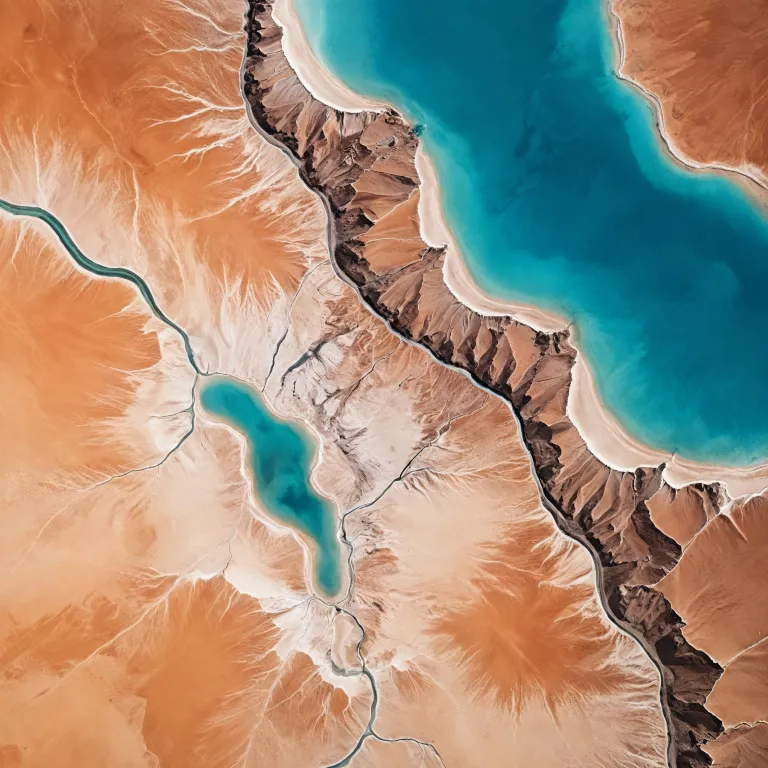
Reading an Atacama Chile map for luxury trip planning
Planning a refined escape to the Atacama region starts with understanding how an Atacama Chile map frames distance, altitude, and access. This desert plateau in northern Chile stretches over an immense area, so scale and elevation lines matter for every premium itinerary. When you overlay hotel locations with key landmarks, you immediately see how travel times shape each day in the desert.
Most travelers focus on the triangle formed by the town San Pedro de Atacama, the great salt flat of Salar de Atacama, and the surrounding volcano peaks. On any detailed map of desert Chile, this triangle reveals why San Pedro functions as the elegant base for luxury lodges and curated tours. The town San Pedro offers access to the wider Atacama Desert while keeping you close to refined dining, spa experiences, and expert guiding services.
When you zoom out, the Atacama region appears as a vast plateau framed by the Pacific and the Andes, clearly positioned within northern Chile in South America. A good Atacama Chile map will highlight the main paved roads, the mining routes, and the protected areas that structure movement across this desert. Reading these layers helps you understand how people live year round in such an arid environment and how premium properties secure reliable fresh water supplies.
For luxury travelers, this cartographic overview is not academic ; it is practical. It tells you which desert Atacama areas are best suited for sunrise photography, which salt flats are accessible in a single day, and which observatory visits pair well with a relaxed spa afternoon. With this perspective, every line on the map becomes a tool for tailoring high end comfort to the realities of the driest place on Earth.
Positioning San Pedro on the Atacama Chile map
On any serious Atacama Chile map, San Pedro appears as the strategic heart of the desert. The town San Pedro sits at around 2 400 metres, high enough for crisp skies yet low enough for most people to acclimatise comfortably. This balance explains why San Pedro de Atacama concentrates the region’s most sophisticated hotels and premium services.
Cartographically, San Pedro anchors a network of desert roads that radiate toward the salt flats, volcano viewpoints, and the famous Moon Valley. When you trace these routes, you see how a single day can combine the wide open salt flat of Salar de Atacama with a sunset over the sculpted dunes of Valle de la Luna. The same map also reveals how close the altiplanic lagoons lie, making them ideal for half day or full day tours from town.
Many luxury guests worry about remoteness, yet the Atacama region is surprisingly well connected. Maps show paved access from Calama airport, mining roads that cross the desert Chile landscape, and clearly marked entrances to protected areas. This infrastructure allows premium hotels in San Pedro to offer seamless transfers, private tours, and flexible schedules even in such a stark desert environment.
When you compare San Pedro with other points in northern Chile, its advantages become obvious. It sits within reach of major volcano massifs, the broad salt flats, and renowned observatory sites used for astronomical research. For travelers combining Chile Atacama with destinations like Easter Island elsewhere in South America, this centrality on the Atacama Chile map simplifies flight planning and ensures that every night in the desert delivers both comfort and spectacle.
Mapping iconic landscapes from salt flats to Moon Valley
A refined reading of any Atacama Chile map quickly highlights a chain of iconic landscapes. South of San Pedro, the vast Salar de Atacama stretches across the desert, its salt flat surface broken by lagoons and crusted polygons. This is where the interplay between salt, fresh water springs, and Andean light creates some of the region’s most photogenic scenes.
To the west of town, your map will mark the Moon Valley, often labelled Valle de la Luna, a compact area of ridges and dunes. Luxury hotels use this proximity to schedule late afternoon tours that end with sunset drinks above the valley floor. Because the area lies so close to San Pedro, guests can enjoy a relaxed spa treatment, then head out for golden hour without rushing.
Further south and east, the altiplanic lagoons appear as small blue ovals on the Atacama Chile map, perched at higher elevations near volcano slopes. These lagoons sit above the main salt flats and offer a different perspective on the desert Atacama landscape, with flamingos feeding in shallow fresh water fringes. Reaching them usually requires a full day, so premium properties often pair these tours with gourmet picnics and slower pacing.
When you overlay protected areas, mining concessions, and observatory zones, the complexity of the Atacama region becomes clear. Guides must navigate between active mining corridors, fragile salt flats, and dark sky reserves used for astronomical research. “Its clear skies and dry conditions are ideal for observations.” This layered reading of the Atacama Desert ensures that luxury itineraries respect the environment while still granting privileged access to the most striking corners of desert Chile.
Climate, seasons, and how December shapes luxury stays
Understanding climate patterns on an Atacama Chile map is essential for timing a premium stay. The Atacama Desert is renowned as one of the driest place environments on the planet, yet microclimates vary across the region. Elevation, proximity to salt flats, and exposure to Andean weather systems all influence how comfortable each area feels.
Many travelers look to December for holidays in northern Chile, but this month sits near the austral summer and the so called altiplanic winter. On maps that overlay rainfall and cloud cover, you will see slightly higher instability around the high volcano zones and altiplanic lagoons. Luxury hotels respond by adjusting day tours, favouring lower altitude salt flat visits or Moon Valley walks when afternoon storms threaten the upper desert.
Because the Atacama region remains largely dry year round, premium properties can operate consistent programs across the calendar. However, they use climate data to fine tune sunrise departures, observatory sessions, and spa schedules. Cooler months suit more active desert Atacama hikes, while warmer periods invite slower pacing around pools and shaded courtyards in San Pedro.
For guests combining Chile Atacama with coastal or Easter Island stays, maps that show seasonal patterns across South America help balance the overall journey. You might pair crisp desert nights under the stars with milder ocean breezes later in the trip. Whatever the month, expert concierges read both the Atacama Chile map and current forecasts to ensure that every day feels tailored, whether you are crossing salt flats, approaching a volcano viewpoint, or simply enjoying fresh water pools in a secluded oasis.
Using maps to select luxury hotels and curated tours
For high end travelers, the Atacama Chile map becomes a decision making tool when choosing where to stay. Position on the map determines not only views of the Atacama Desert but also transfer times to key sites like the Moon Valley and Salar de Atacama. A hotel slightly outside the town San Pedro may offer quieter desert surroundings, while a central address brings restaurants and galleries within walking distance.
When evaluating curated tours, look at how operators plot routes across the Atacama region. Thoughtful itineraries minimise backtracking on desert roads, combine salt flat viewpoints with altiplanic lagoons, and time volcano panoramas for the best light. Some luxury programs include private access to observatory facilities, taking advantage of the same clear skies that attract major scientific installations to desert Chile.
Maps also reveal how mining infrastructure intersects with tourism corridors in northern Chile. Premium operators choose routes that avoid heavy traffic from mining convoys, preserving the sense of isolation that defines the Atacama Desert experience. They also coordinate with local communities who live year round in small settlements, ensuring that visits to fresh water oases and salt flats respect cultural and environmental sensitivities.
If you are planning a broader Chile itinerary, you can use regional maps to link Chile Atacama with other remote luxury escapes further south. Resources such as this guide to tracing Cape Horn on the map of Chile’s most remote luxury escapes offer a useful cartographic perspective on multi region journeys. By reading these maps together, you can design a South America trip that moves from the driest place on Earth to windswept fjords, always aligning hotel choices with the landscapes that matter most to you.
Practical map tips for premium experiences in the Atacama Desert
Once you have chosen your hotel, a more detailed Atacama Chile map helps refine each day. Start by marking distances from your property to the Moon Valley, the main salt flat viewpoints, and the altiplanic lagoons. This exercise clarifies which experiences work best as half day tours and which deserve a slower full day approach.
Next, pay attention to altitude lines around volcano ranges and high plateaus in the Atacama region. Many premium itineraries include sunrise visits to geyser fields or high lagoons, where thin air can affect people who ascend too quickly. By reading elevation changes on the map, you and your concierge can stage acclimatisation, beginning with gentler desert Atacama walks near San Pedro before venturing higher.
Hydrology layers, when available, show the rare fresh water sources that punctuate desert Chile. These oases and lagoons support wildlife on the salt flats and shape where trails and viewpoints have been established. Understanding their position helps you appreciate how life persists year round in such an arid environment and why certain areas are strictly regulated.
Finally, use the map to plan your evenings under the stars. Identify dark sky zones away from town lights, observatory locations open to visitors, and sheltered viewpoints near your hotel. In northern Chile, the combination of altitude, dry air, and minimal cloud cover makes the Atacama Desert one of the world’s premier stargazing destinations, and a thoughtful reading of the Atacama Chile map ensures that every night feels as carefully curated as your days among the salt flats and valleys.
Connecting Atacama to wider South America journeys
For many luxury travelers, the Atacama Chile map is only one panel in a broader South America canvas. When you zoom out, you see how northern Chile aligns with Andean routes into neighbouring countries and with flight paths to Pacific islands. This perspective helps you integrate Chile Atacama stays with time on Easter Island or in southern fjord regions without unnecessary backtracking.
On continental maps, the Atacama Desert appears as a pale band between the Andes and the ocean, its salt flats and volcano chains clearly visible from satellite imagery. This visual reinforces how unique the Atacama region is within South America, both as a driest place environment and as a hub for astronomical observatories. It also highlights the contrast between desert Chile and the lush landscapes you might visit later in your itinerary.
When planning multi stop journeys, consider how many day segments you want to spend in transit versus at leisure. A clear map view of airports, mining towns, and tourist hubs in northern Chile allows you to cluster experiences efficiently. You might spend several nights in San Pedro, then fly onward to coastal cities or remote southern lodges, always using maps to balance logistics with rest.
Throughout this process, premium travel advisors rely on the same cartographic tools that scientists use to study the Atacama Desert. They interpret elevation, climate, and infrastructure data to craft itineraries that feel effortless, whether you are crossing a salt flat at sunrise, standing beneath a volcano ridge, or flying toward another corner of South America. With the right Atacama Chile map in hand, every segment of your journey aligns elegantly with the landscapes that first drew you to this remarkable desert.
Key statistics about the Atacama Desert
- Approximate surface area of the Atacama Desert plateau : 104 741 km².
- Average elevation around San Pedro de Atacama : about 2 657 metres above sea level.
- Location : a desert plateau in northern Chile, along the Pacific coast.
Essential questions about the Atacama region
Where is the Atacama Desert located ?
The Atacama Desert lies in northern Chile, stretching along the Pacific coast between the Andes and the ocean. On regional maps, it appears as a high plateau that includes the town San Pedro de Atacama and the surrounding salt flats. This position makes it accessible via Calama airport while still feeling profoundly remote.
Why is the Atacama Desert considered one of the driest places on Earth ?
The Atacama Desert sits in a pronounced rain shadow created by the Andes and the Chilean Coastal Range. Cold ocean currents offshore further suppress cloud formation, so many areas receive negligible rainfall year round. These combined factors explain why the region is often described as the driest place on the planet.
How do people survive and live in the Atacama Desert ?
Communities in the Atacama region rely on oases, groundwater, and modern infrastructure to secure fresh water and services. Towns like San Pedro de Atacama have developed tourism, while other settlements connect to mining and scientific activities. This blend of traditional knowledge and contemporary technology allows people to inhabit such an extreme desert environment.
Sources : Chilean national tourism board, regional government of Antofagasta, major international astronomical observatories operating in the Atacama Desert.