Explora lodge Chile review: conservation before the first guest stay
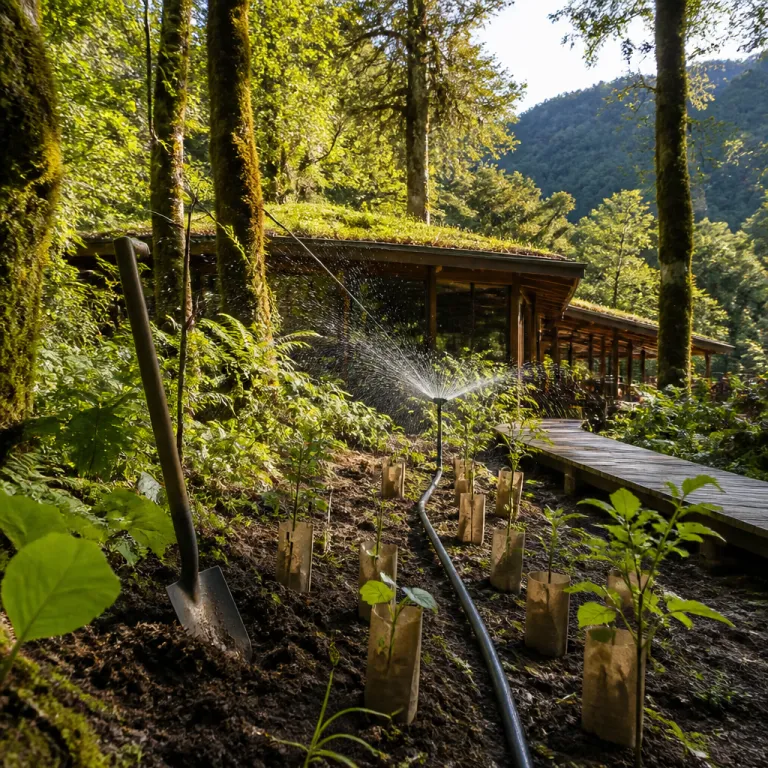
Any serious assessment of an explora lodge in Chile really begins long before the first guest checks in. The company’s conservation-led model starts with acquiring or securing long-term stewardship of large tracts of land in Chilean Patagonia and other wild regions, then spending year after year restoring ecosystems before a single lodge wall rises. This reverses the usual hotel logic, where a property is built quickly and the surrounding national park or private reserve is treated as scenic backdrop rather than primary mission.
Explora, founded in Chile and now operating several lodges across Patagonia and beyond, calls this philosophy the Explora Method. In their own words, “What is the Explora Method? A conservation-led approach to luxury lodging.” That single sentence underpins every thoughtful explora lodge Chile review, because it explains why the brand often limits each lodge to a small number of rooms while protecting thousands of hectares of land in some of the most fragile corners of South America.
In Patagonia National Park and around the Torres del Paine National Park, explora’s teams focus first on rewilding degraded estancias, removing fences, and restoring native grasslands that frame the Paine massif. Only once the land is healing do architects design a lodge that sits lightly on the terrain, often with fewer than fifty rooms and a strong emphasis on views rather than ostentatious décor. Guests then arrive to a landscape already in recovery, and every stay directly funds ongoing explorations, scientific monitoring, and local community projects.
For travelers from the USA planning a trip to Chilean Patagonia, this means your chosen hotel is not just a place to sleep between day hikes. It becomes a base within a living conservation project, where guides, scientists, and staff share data about puma movements, grassland health, and visitor impact. When you read full details in any in-depth review of an explora property, you will notice how often the word “park” appears, because the surrounding protected areas are treated as the main attraction and the lodge as a carefully calibrated support system.
Torres del Paine Conservation Reserve: 10 rooms on 6,000 hectares
The boldest expression of this conservation-first approach is the upcoming Explora Torres del Paine Conservation Reserve, which aims to redefine what a luxury stay in Chilean Patagonia can be. Public information from explora and conservation partners indicates a plan for roughly 10 rooms on nearly 6,000 hectares of protected steppe facing the Torres del Paine peaks, each suite oriented toward the towers and the wide open Patagonian sky. That ratio of land to lodge is almost unheard of in a national park setting and will shape every aspect of the guest experience; always check the latest details with explora directly, as room counts and opening timelines can evolve during development.
Instead of crowding the shoreline of Lake Pehoé or the main access roads of the Torres del Paine National Park, the new Paine lodge will sit back on its own conservation reserve, with views across the Paine massif and the rolling steppe where guanacos graze. Communal spaces will include hot tubs, a massage room, and a dining area, but the real luxury will be the silence and the sense of space. For families who have previously stayed in larger Torres del Paine hotels near Puerto Natales, this shift toward extreme privacy and low density will feel like stepping into a private park rather than a conventional resort.
Every included stay at Explora Torres del Paine Conservation Reserve is expected to fold in guided explorations across the property and into the wider Torres del Paine National Park, with a strong educational focus on ecosystem restoration. Expect day hikes that trace old sheep farming routes now being reclaimed by native grasses, horseback riding across the steppe with gauchos who once worked these lands for wool, and full-day excursions toward viewpoints of Grey Glacier or the French Valley. The guides will explain how limiting the lodge to ten rooms reduces pressure on trails and wildlife, while still delivering the level of comfort that has earned explora repeated mentions in international choice awards.
For travelers planning how to get to Torres del Paine in style, the remote location of this new lodge makes logistics part of the narrative. Rather than rushing straight from the airport to the park gate, you can plan a more elegant route that includes time in Santiago or wine country before flying south and transferring by road to the reserve. Our detailed guide on elegant routes and refined stays en route to Torres del Paine helps you structure that journey, especially if you are traveling as a premium family with children who need thoughtful pacing.
Inside the explora experience: explorations, guides, and all inclusive stays
Any explora lodge Chile review quickly converges on one theme: the experience is built around guided explorations rather than passive sightseeing. From Torres del Paine to Patagonia National Park and the Atacama Desert, each lodge operates like a small expedition hub with its own stable of highly trained guides. These guides are not seasonal hires who simply lead day hikes; they are long-term staff members who study local geology, wildlife, and culture, then translate that knowledge into tailored outings for guests of different ages and fitness levels.
The all-inclusive model at every explora hotel is designed to remove friction from your trip so you can focus on the landscape. Rates typically cover your room, all meals, most drinks, transfers, and a full menu of explorations, from short walks to full-day treks and horseback riding. For families arriving from the USA, this included-stay structure makes budgeting easier and encourages everyone to try new activities, whether that means a gentle ride across the steppe or a challenging ascent toward a Torres del Paine viewpoint. As a broad guide, high season nightly rates for two people at Patagonian lodges often start in the low four figures in US dollars, with multi-night packages usually offering better value than single nights.
In Patagonia, a typical day might start with a sunrise walk facing the Paine massif, followed by breakfast and a briefing with your guide to choose between several day hikes or a full-day journey to Grey Glacier or the French Valley. Children can often join shorter outings while one parent tackles a more demanding route, and the guides will adjust pace and distance to match your group. A thoughtful explora lodge Chile review will highlight how well the staff manage these logistics, ensuring that multi-generational groups feel equally challenged and cared for.
This exploration-led approach extends beyond Patagonia into northern Chile, where Explora Atacama sits near San Pedro with its own observatory, stables, and spa. Guests can spend the day riding across the desert, then return for a telescope session followed by a pisco sour mixed by the resident astronomer, a detail that often appears in choice awards write-ups. If you are planning a broader South America itinerary, consider pairing a Patagonian stay with a few nights at Explora Atacama or another property featured in our guide to kayaking between icebergs in the Aysén fjords, which offers a different but equally immersive side of Chilean wilderness.
How explora compares: conservation luxury versus other Patagonian lodges
When you read full assessments of Patagonian properties, you will notice that explora sits in a distinct niche compared with other high-end brands such as Tierra or Awasi. All three deliver polished service, strong cuisine, and well-trained guides, yet their definitions of luxury diverge in meaningful ways. A careful explora lodge Chile review should help you understand these differences so you can match the right lodge to your family’s style of travel.
Explora’s model is built around large conservation holdings, relatively low room counts, and a strong emphasis on shared explorations that depart in small groups. Tierra’s lodges, by contrast, often feel more like design-forward mountain hotels, with a slightly more flexible approach to activities and a stronger focus on spa culture. Awasi, meanwhile, leans into ultra-private villas and fully private guiding, which suits couples seeking seclusion more than families who enjoy the social energy of meeting other travelers after a long day in the national park.
For many guests, the key distinction is how much of their stay directly supports conservation work on the surrounding land. Explora’s ownership or long-term stewardship of large tracts in Chilean Patagonia means that every night in a Paine lodge or a property in Patagonia National Park contributes to habitat restoration, wildlife monitoring, and local employment. When you read a full review that compares these brands, pay attention to how well each operator explains its conservation commitments, rather than relying solely on awards or marketing language.
Families from the USA often appreciate explora’s balance between structure and freedom: the included-stay model encourages you to be active every day, but you can still opt for easier outings or spa time when needed. The guides are adept at mixing day hikes with horseback riding and scenic drives, which keeps children engaged without overwhelming them. If you want to go deeper into Chile beyond Patagonia, our feature on luxury stays along the Punta Cachos peninsula in the Atacama Desert shows how this conservation-conscious approach is spreading to other regions as well.
Planning your explora trip: practical advice for premium families
Planning an explora-focused trip to Chilean Patagonia requires more thought than booking a standard hotel near a national park gate. Distances are long, weather is famously changeable, and the sheer scale of the Paine massif and surrounding steppe can overwhelm first-time visitors. A well-structured itinerary will help you make the most of your stay while leaving space for the kind of serendipitous moments that define travel in South America.
Start by deciding how many nights you can allocate to each lodge, bearing in mind that three nights is an absolute minimum and five nights is ideal for a deep explora experience. This allows time for a mix of shorter day hikes, one or two full-day explorations to Grey Glacier or the French Valley, and at least one horseback riding outing across the steppe. If you are traveling with children from the USA, consider building in a rest day in Puerto Natales before or after your time in Torres del Paine, so everyone can adjust to the rhythm of Patagonian weather and long daylight hours.
Once your nights are set, work closely with the lodge staff to plan transfers and pre-book any special activities that have limited capacity. Explora’s guides are used to tailoring outings for multi-generational groups, and they will suggest routes that balance effort and reward, whether that means a gentle walk to a viewpoint or a demanding full-day trek. Before you travel, read a recent explora lodge Chile review and then read full details on the lodge website, so you understand what is truly included in your stay and what requires advance arrangement.
Finally, pack with the park rather than the hotel in mind: layers for wind and rain, sturdy footwear for uneven trails, and simple day packs for each family member. Luxury at an explora Torres property or any other Patagonian lodge is not about formal wear but about returning from the national park warm, dry, and ready for a well-cooked meal. If you approach your trip with that mindset, the combination of conservation, comfort, and carefully curated explorations will feel like a different category of luxury altogether, one that justifies the attention these lodges receive in international choice awards and serious full review features. Be aware, however, that this style of travel comes with trade-offs: high nightly rates, long transfer times from hubs such as Punta Arenas or Puerto Natales, and occasional weather-related changes to planned excursions are all part of the Patagonian reality.
FAQ
What is the Explora Method in practical terms for guests?
The Explora Method means that the company acquires or stewards large areas of land, restores ecosystems, and only then builds a small lodge that serves as a base for guided explorations. For guests, this translates into stays where conservation is not an add-on but the core purpose of the property. You experience national park landscapes with fewer crowds, more space, and guides who can explain the ongoing restoration work in detail.
Where are explora lodges located in Chilean Patagonia?
Explora operates several lodges across Patagonia, including properties near Torres del Paine National Park, within or adjacent to Patagonia National Park, and in other remote regions of southern Chile. Each lodge is positioned to offer direct access to major landscapes such as the Paine massif, glacial valleys, and wide open steppe. The upcoming Explora Torres del Paine Conservation Reserve will add a new, highly exclusive option overlooking the Torres peaks.
What activities are typically included in an explora stay?
Most explora stays include a wide range of guided explorations such as day hikes, full-day treks, horseback riding, scenic drives, and in some locations, water-based outings. Guests choose activities each evening or morning in consultation with the guides, who tailor routes to fitness levels and interests. Educational elements about geology, wildlife, and local culture are woven into every outing, making the experience richer than a standard excursion.
How far in advance should I book an explora lodge in Patagonia?
Because explora lodges have relatively few rooms and operate in high-demand destinations like Torres del Paine, booking several months in advance is strongly recommended. This is especially true for peak travel periods and for families who need multiple rooms or specific configurations. Early booking also gives the lodge staff more time to help you plan transfers, special activities, and any pre- or post-stay nights in hubs such as Puerto Natales.
Is an explora lodge suitable for families with children?
Explora lodges are well suited to premium families who enjoy active travel and want their children to engage with nature in a meaningful way. The guides are experienced in adjusting pace and difficulty, and the all-inclusive model simplifies logistics for parents. Families who value space, education, and conservation will find that the Explora Method aligns closely with their travel priorities.