From eco lodge Chile sustainable stays to full scale rewilding
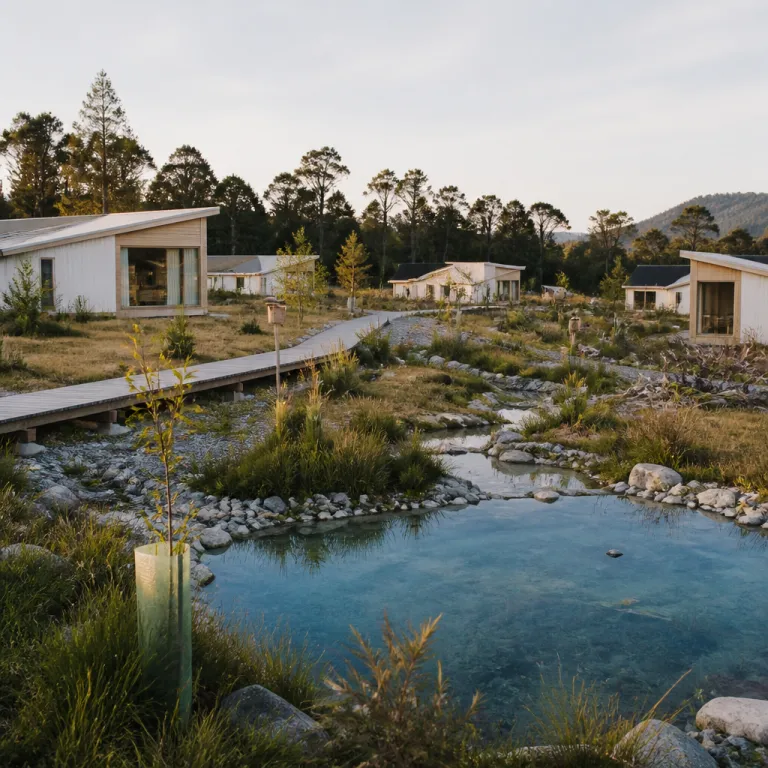
Chile’s new generation of eco lodges treats luxury as a tool for restoration, not a distraction from it. In the south of Chile, from the windswept plains of Patagonia to the misty forests of Chiloé and the lake dotted region of Los Lagos, the most interesting properties now measure success in hectares restored and wildlife returning. If you are choosing an eco lodge Chile sustainable escape, the real question is no longer which hotel has the best spa but which lodge is actively reshaping the landscape around it.
Rewilding in Chile means more than planting a few trees near a national park and calling the project sustainable. In Patagonia, lodges near Torres del Paine National Park and across the wider Paine National Reserve work on reforesting degraded steppe, removing invasive plants and allowing native flora fauna to reclaim space that was once overgrazed. On Chiloé Island and in Los Lagos Chile, eco lodges focus on restoring temperate rainforest corridors so that wildlife can move between fragmented habitats and so that local communities can keep traditional low impact land use alive.
The legacy of Tompkins Conservation and the Route of Parks has set the tone for what a serious eco lodge Chile sustainable project looks like. Their large scale land donations created a continuous chain of national parks from Patagonia to the northern lakes, showing that private hospitality and public conservation can reinforce each other. Today, when you book a stay at a Patagonia lodge or a desert retreat in the Atacama Desert, you are stepping into a South America experiment where tourism funds rewilding rather than simply paying for access to a view.
Torres del Paine and Ecocamp Patagonia: domes, wildlife and restoration
Torres del Paine is where many travelers first meet the idea of rewilding in Chile, and it remains the clearest laboratory for eco lodge Chile sustainable travel. The granite towers of Torres del Paine National Park dominate the skyline, but the real story unfolds in the grasslands and wetlands where guanacos, pumas and condors are slowly reclaiming territory. Around Paine Chile, a handful of lodges have moved beyond low impact operations and into active habitat restoration, with Ecocamp Patagonia among the most visible pioneers.
Ecocamp, known for its geodesic domes that echo the curves of the surrounding hills, sits just inside the boundary of the park near the trail to the Base Towers. The property’s design keeps a light footprint, yet the more interesting work happens in how it manages energy, waste and relationships with local communities who have long lived around Torres del Paine. When you stay in the domes at Ecocamp Patagonia, you are not only close to the best day trek routes but also contributing to projects that monitor wildlife, support carbon neutral initiatives and reduce pressure on fragile soils.
Across the wider Patagonia Torres region, other lodges near Paine National Park and along the road from Punta Arenas are experimenting with similar models. Some properties fund research on flora fauna recovery, while others support rewilding corridors that link private ranches with the national park so that wildlife can move more freely. For a deeper look at how conservation led properties operate in this landscape, our guide to conservation led lodges in Torres del Paine explains why the most coveted stays are often those that give the most space back to nature.
Beyond green fees: how to read conservation claims
Many Chilean properties now add a conservation fee to your bill, yet only a fraction operate as true eco lodge Chile sustainable projects. A fee that funds trail maintenance inside a national park is valuable, but it is not the same as a lodge that buys degraded land, removes fences and restores native grasslands for wildlife. The difference shows up in the long term : rewilding changes the map, while simple mitigation just slows the damage.
When you evaluate a Patagonia or Atacama Desert hotel, ask where the money goes and what data they share about results. Serious eco lodges publish information on hectares restored, native species returning and carbon neutral progress, often verified by independent partners in Chile or elsewhere in South America. Our analysis of how luxury properties track their footprint in Chile, detailed in the carbon ledger for Chilean lodges, shows that the best projects treat emissions, water and biodiversity as rigorously as any financial statement.
Explora’s upcoming conservation reserve near Torres del Paine is a good example of this shift, with nearly 6,000 hectares of protected land focused on restoring native ecosystems and only a small number of rooms planned. In the Atacama Desert, a few eco focused properties now limit vehicle use, restore native vegetation around oases and cap guest numbers on each day trek to reduce stress on fragile soils. Across Chile, the most credible eco lodge Chile sustainable stays are those where you can trace a clear line from your nightly rate to specific restoration actions on the ground.
Guest participation: from yoga wellness to planting native trees
Rewilding lodges in Chile increasingly invite guests to move beyond passive observation and into hands on restoration, which changes how a stay feels from the first day. Instead of only offering a spa treatment after a long hike, some Patagonia and Los Lagos properties now pair yoga wellness sessions with guided tree planting or wildlife monitoring walks. The rhythm of a stay shifts subtly, as couples alternate between comfort in the hotel and active time in the field helping to rebuild the ecosystems that make the views possible.
In Torres del Paine and Paine Chile more broadly, several lodges run half day programs where guests help remove old fencing so that guanacos and other wildlife can move freely between private land and the national park. Others invite you to join researchers for a day trek focused on tracking puma movements or recording bird species, turning what might have been a standard hike to the Base Towers into a deeper reading of the landscape. On Chiloé and in Los Lagos Chile, eco lodges sometimes involve local communities in these activities, blending cultural exchange with practical conservation work.
Wellness is also being redefined in this eco lodge Chile sustainable context. A spa session or yoga wellness class feels different after you have spent the morning measuring young trees in a reforested valley or helping to map flora fauna corridors near a restored wetland. Couples who choose these stays often leave with a sharper sense of how their time in Chile, from Patagonia to the Atacama Desert and even out to Easter Island, can support long term ecological health rather than simply consuming scenery.
Where rewilding changes the landscape: Atacama, Chiloé, lakes and Easter Island
Rewilding in Chile is not limited to Patagonia ; it is reshaping experiences from the Atacama Desert to the Pacific islands and the southern lakes. In the north, desert lodges near the Atacama Desert oases are restoring native vegetation around water sources, reducing off road driving and working with local communities to protect fragile salt flats. The result is an eco lodge Chile sustainable model where the best stays feel quieter, more intentional and more respectful of the desert’s thin margin for error.
Far to the west, on Easter Island, a handful of properties now support projects that remove invasive species and protect archaeological sites from erosion, linking cultural preservation with ecological restoration. In Chiloé and the Los Lagos region, eco lodges sit between forest and sea, backing efforts to restore coastal wetlands and reconnect forest patches so that wildlife can move more freely. Couples who split their trip between Patagonia Torres, the lakes and the desert see how a single country can host multiple rewilding experiments, each tuned to its own national park system and local culture.
Planning a route that links these regions is easier when you think in terms of ecosystems rather than just famous viewpoints. A stay near Paine National Park, followed by time in the lake district and a final pause in the Atacama Desert, offers a cross section of how Chile is using tourism to repair land rather than simply market it. For help stitching these eco lodge Chile sustainable experiences together, our elegant guide to Chile’s high altitude and wilderness routes shows how to balance remote lodges, internal flights and time in cities without losing the thread of rewilding.
FAQ
What does rewilding mean in the context of Chilean lodges ?
Rewilding in Chilean lodges means restoring native ecosystems rather than simply reducing impact. Properties invest in removing invasive species, replanting native flora and reconnecting habitats so wildlife can move freely. In regions like Patagonia and Los Lagos, this often involves dismantling old ranching infrastructure and allowing grasslands and forests to regenerate.
How can I tell if a lodge in Chile is genuinely sustainable ?
A genuinely sustainable lodge in Chile will share clear data on its conservation work, not just marketing language. Look for information on hectares restored, species monitored, carbon neutral progress and partnerships with local communities or conservation organizations. If staff can explain specific projects on the property and invite you to see them, that is usually a strong sign.
Are rewilding focused lodges more expensive than traditional hotels ?
Rewilding focused lodges often sit in the premium price range because they manage large tracts of land and fund long term projects. However, the rate usually includes guided activities, conservation contributions and a more immersive experience than a standard hotel. Many couples find the higher cost justified by the depth of engagement with the landscape and the quality of guiding.
Can guests participate directly in conservation activities during their stay ?
Yes, several lodges in Patagonia, Los Lagos and the Atacama Desert now offer guest participation in conservation work. Activities can include tree planting, wildlife monitoring, fence removal or data collection alongside researchers. These programs are usually optional and designed to fit comfortably within a relaxing stay.
Is it possible to combine multiple rewilding regions in one Chile trip ?
It is entirely feasible to combine several rewilding regions in a single Chile itinerary. Many travelers pair Torres del Paine with the lake district or the Atacama Desert, using domestic flights to bridge the long distances. Planning around ecosystems and lodge locations rather than just cities helps keep travel time efficient and experiences coherent.