From marketing slogan to mountain reality in sustainable luxury travel Chile
Chile’s talk of a “Year of Sustainable Adventure” only matters if it changes how you travel. In sustainable luxury travel Chile, the real shift happens where the Andes thin the air, solar panels tilt toward a white sky, and a private guide waits with oxygen and coca tea rather than champagne. This is where high-end journeys in this long country stop being about excess and start being about precision, restraint, and respect.
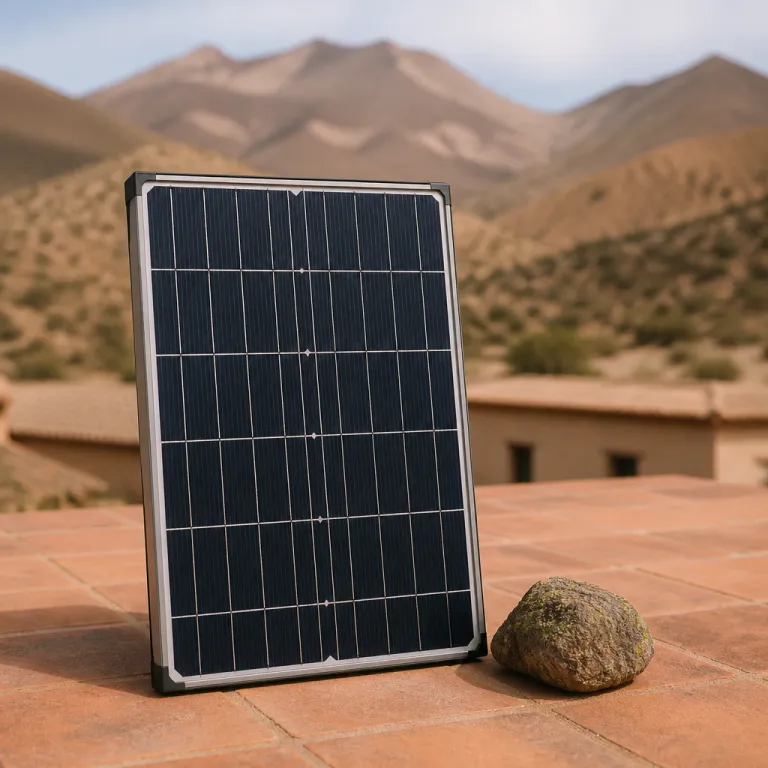
The most striking example sits in the Atacama Desert, more than 3,500 meters above sea level, where a fully solar powered air traffic control radar now watches the skies over northern Chile. According to project partners INDRA and the Dirección General de Aeronáutica Civil (DGAC Chile), it is described as “the world’s first fully solar-powered ATC radar station,” running on 340 photovoltaic panels that generate around 960 kilowatt hours per day under desert conditions. For travelers planning to fly into Calama and continue toward San Pedro de Atacama or farther into the Atacama Desert, that invisible infrastructure quietly underpins every journey and signals how seriously the country is taking renewable energy in its aviation network.
This matters for sustainable luxury because aviation is often the dirtiest part of travel Chile, yet here the state and technology providers are trimming the footprint at altitude. When you land and drive toward San Pedro, the desert view is still all ochre and salt, but the story behind it has changed and now includes solar powered radars and eco friendly infrastructure. Responsible luxury travel in Chile is no longer just about linen sheets and refillable glass bottles in a room; it is about how the entire system, from radar to road, aligns with a lower impact style of movement across South America.
Solar lodges in the Atacama Desert: what actually changed for guests
In the Atacama, the new generation of solar lodges sits between adobe villages and the open desert. By day, panels soak up the same high altitude light that draws astronomers, while by night, batteries power low impact lighting so you can walk back from the telescope with a pisco sour and still see the Milky Way. For guests focused on sustainable luxury, the question is simple: does this change the experience or just the marketing copy?
At high end properties near San Pedro de Atacama and the village of San Pedro itself, solar now runs pools, spas, and underfloor heating in suites that still feel unapologetically luxury. You wake to a view of Licancabur volcano, meet local guides trained in both geology and Atacameño culture, and head out in a small group or with a private guide into the Atacama Desert for sunrise over salt flats or a day among high lagoons. Back at the lodge, the spa menu leans on desert herbs, and if you care about wellness focused luxury travel, you can pair these stays with urban retreats in Santiago using curated lists of luxury spa hotels in Chile.
The difference now is that many of these properties publish hard data on energy use, water recycling, and waste, rather than vague eco friendly claims. Some lodges in northern Chile use solar thermal systems for hot water, greywater for native gardens, and electric vehicles for excursions, which shifts sustainable luxury travel Chile from offsetting to actual reduction. A few have pursued independent standards such as GSTC-recognized certifications or Chilean “Sello S” tourism sustainability labels. When you compare options, look for concrete numbers, independent audits, and clear explanations of how your stay supports local communities in San Pedro, San Pedro de Atacama, and beyond, not just a green leaf icon beside the room category.
From sustainable to regenerative: Patagonia, Torres del Paine and beyond
Far south in Patagonia, the language has moved from sustainable to regenerative, and that is more than a semantic tweak. In Paine National Park and the wider Torres del Paine region, some lodges now talk about leaving the land better than they found it, not just minimizing damage. For travelers, this shift in sustainable luxury travel Chile means your money can actively restore ecosystems rather than simply tread lightly.
Properties around Torres del Paine and the Paine National Park area work with rewilding projects, trail restoration, and scientific monitoring of guanacos and pumas, while still delivering high comfort. You might ride out with local guides from nearby estancias, cross lenga forests with a private guide, and return to a glass walled room where the view frames the Torres del Paine massif in late light. The style of these places is warm and restrained, with wool, wood, and stone replacing glossy finishes, and the luxury comes from silence, space, and the sense that your journey is part of a longer conservation story. As one Patagonian guide put it, “Guests arrive for the views, but they leave talking about the guanacos we helped protect.”
Regenerative models are also emerging in Tierra Chiloé on the Chiloé island group, where community based tourism supports small scale agriculture and sustainable fishing. On Rapa Nui, also known as Easter Island, strict visitor caps and locally led guiding protect both the island’s fragile soils and its moai, while in the wider South America circuit, some itineraries now link Patagonia, Atacama, and even Machu Picchu with a consistent regenerative ethos. To separate real impact from greenwashing, read detailed sustainability reports, ask how many hectares are under protection, and check whether award winning claims are backed by independent bodies such as Green Globe or GSTC-aligned programs rather than just marketing awards.
Community, islands and wine regions: where your money actually lands
Luxury in Chile’s islands and wine regions increasingly hinges on how directly your spending reaches local hands. On Chiloé, staying at a property such as Tierra Chiloé means your day might start with a boat ride to visit shellfish farms and end with a curanto cooked in the ground by island families. That kind of experience is central to sustainable luxury travel Chile because it ties comfort to continuity of culture.
On Rapa Nui, or Easter Island, community cooperatives manage many excursions, and a private guide will often be a Rapa Nui resident trained in archaeology and oral history. You walk between moai with a view of the Pacific, hear how tourism numbers are capped to protect the island, and see how national park fees support both conservation and cultural programs. In this context, luxury travel is not about isolation from the local community; it is about carefully mediated access that respects a living culture rather than treating the island as a backdrop.
Back on the mainland, Chile’s wine regions near Santiago and farther south offer another lens on sustainable luxury. Vineyard hotels now experiment with organic farming, low intervention cellars, and solar powered irrigation, while still pouring serious Cabernet and Carménère at sunset. Some estates publish data on water use per hectare or percentage of organic vineyard area, giving you a clearer sense of impact. When planning travel Chile itineraries that combine Atacama, Patagonia, and the vineyards, use in depth resources such as our elegant guide to mountain and valley luxury stays to balance high altitude adventure with slower, soil focused days in the central valleys.
How to read green claims on a Chile luxury hotel booking page
When you scroll through a Chile hotel booking site, the sustainability language can blur into a single soft green promise. To navigate sustainable luxury travel Chile with a clear head, you need a simple filter that cuts through vague eco friendly phrasing. Start by asking what is measured, who verifies it, and how your specific stay changes those numbers.
Look for properties in Atacama, Patagonia, Santiago, and the islands that publish annual sustainability reports with concrete data on energy, water, and waste. A lodge that explains how many kilowatt hours its solar panels generate per day, or how much greywater it recycles, is taking the conversation beyond slogans, just as the solar powered radar in the Atacama Desert shows national level commitment. Check whether local guides are employed year round, whether excursions into Torres del Paine or other national park areas are capped per day, and whether partnerships with indigenous communities are formalized rather than ad hoc.
Be wary of generic award winning badges that do not name the awarding body or criteria, and prioritize certifications from recognized organizations that audit on site. Cross reference claims with independent reporting on Chile’s leadership as a green destination and with detailed case studies of eco lodges that walk the sustainability talk. In the end, the most reliable signal is coherence; when the architecture, daily operations, excursions, and community relationships all point in the same direction, you can be confident your journey aligns with the country’s deeper shift toward genuinely sustainable luxury.
Balancing fragile landscapes and high end adventure in Chile
Chile’s greatest luxury is space, and that space is fragile. From the Atacama Desert to the glaciers of Patagonia, every new trail, heli pad, or lodge tests the balance between access and preservation. Sustainable luxury travel Chile lives or dies on how that tension is managed in practice, not in brochures.
In Paine National Park and the wider Torres del Paine area, strict trail zoning and limits on new construction keep the skyline clean, even as high end lodges refine their style and service. Local guides now receive training in Leave No Trace principles, wildlife behavior, and first aid, so your private guide can adjust a route when condors are nesting or when a puma has been sighted near a popular viewpoint. Similar pressures play out in San Pedro de Atacama, where vehicle caps at key sites and timed entries protect both the desert crust and the sense of solitude that defines the experience.
For travelers, the most responsible move is to embrace slower itineraries that link fewer regions but go deeper into each, whether that means more days in Patagonia, extra nights on Chiloé island, or a longer stay in Santiago to explore its neighborhoods beyond the usual highlights. Choosing lodges that coordinate flights to align with the new solar powered radar infrastructure in northern Chile, or that invest in electric transfers, further reduces your footprint. In a country that stretches the length of South America, restraint becomes a form of luxury, and the real reward is knowing that the view you wake up to in Torres del Paine, Atacama, or Rapa Nui will still feel wild when you return.
FAQ
How does the solar powered radar in the Atacama affect travelers
The solar powered air traffic control radar in the Atacama Desert improves flight safety and coverage for northern Chile while reducing reliance on fossil fuels. It operates entirely on solar energy generated by hundreds of panels at over 3,500 meters altitude, as outlined in official DGAC Chile and INDRA project releases. For travelers, this means more reliable flight operations into gateway airports for San Pedro de Atacama and nearby regions, with a lower environmental impact.
What is the difference between sustainable and regenerative travel in Chile
Sustainable travel in Chile focuses on reducing negative impacts, such as cutting emissions, saving water, and limiting waste. Regenerative travel goes further by aiming to restore ecosystems and support long term community resilience, for example through rewilding projects in Patagonia or community led tourism on Chiloé and Rapa Nui. When booking, look for lodges that actively fund conservation, restore native habitats, or support cultural programs, not just those that offset emissions.
How can I check if a Chilean luxury lodge is truly eco friendly
Start by reading the property’s sustainability section and looking for specific data on energy, water, and waste rather than generic claims. Independent certifications, transparent annual reports, and clear information about local hiring and community partnerships are strong positive signs. You can also email the lodge with questions about their operations; serious projects will answer with concrete details, not just marketing language.
Are Chile’s fragile landscapes being damaged by adventure tourism
Some areas face pressure, especially popular sites in Torres del Paine, San Pedro de Atacama, and Rapa Nui, but regulations and park management have tightened in recent years. Visitor caps, trail zoning, and stricter construction rules help limit damage, while many operators now train guides in low impact practices. Travelers can support this by choosing smaller group experiences, respecting park rules, and favoring operators that clearly prioritize conservation.
Is it possible to combine luxury and low impact travel across Chile
Yes, Chile is one of the easiest countries in South America for combining high comfort with lower impact travel. You can stay in solar powered lodges in the Atacama Desert, choose regenerative properties in Patagonia, and book community based stays on Chiloé or Rapa Nui. Planning fewer internal flights, staying longer in each region, and selecting properties with strong sustainability records will keep your journey both luxurious and responsible.