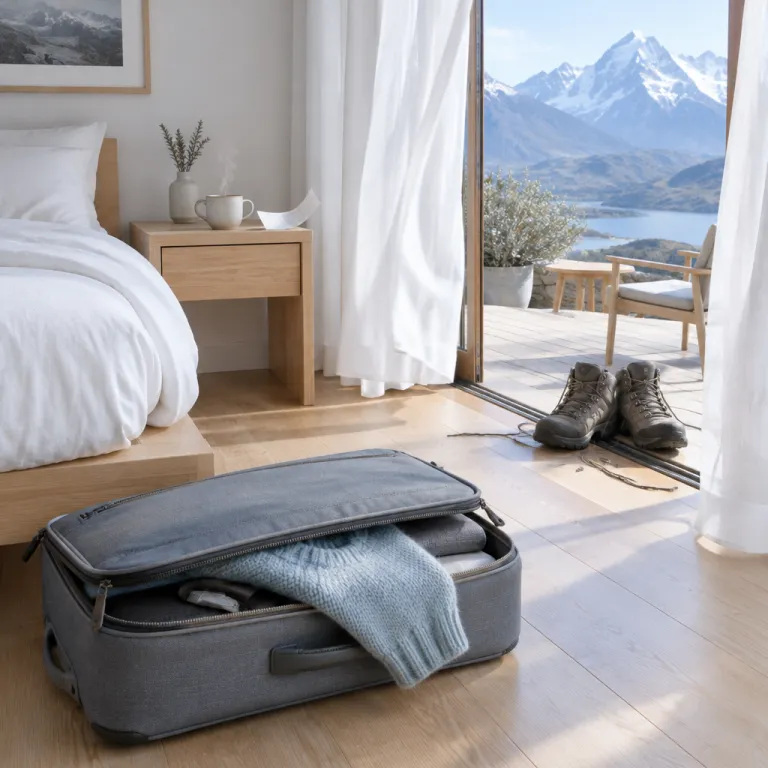
Why slow travel in Chile is reshaping the extended stay
Slow travel in Chile has moved from niche preference to quiet default. Executives who once tried to cross all of South America in ten days now choose one region, one lodge and a longer Chile slow travel extended stay that respects both their energy and the landscape. The shift is changing how luxury properties think about time, service and what it really means to stay longer in one place.
The classic Santiago to Atacama Desert to Patagonia sprint still tempts many travellers, because Chile stretches like a spine down the south of the continent and connects easily to Argentina and beyond. Yet the guests booking a slow travel Chile itinerary are asking different questions about their trip, focusing less on how many places they can tick off and more on how each day can feel grounded in local daily life and culture. They want a journey that feels big in memory but measured in days spent well, not in rushed day trip counts.
For this audience, Chile sits at a crossroads of South America, well connected to Buenos Aires, the Sacred Valley and even Machu Picchu, yet compelling enough to justify spending time in a single valley, city or coastline. Many now fly into the city of Santiago for meetings, then pivot their travel Chile plans into an extended stay in the Atacama Desert, the Lake District or the Elqui Valley instead of chasing Machu Picchu or a quick hop to Argentina. The slow travel Chile extended stay becomes a way to experience both work and leisure without fragmenting the trip across too many travel destinations.
From work trip to slow stay: how luxury lodges are adapting
High end lodges in Chile have started to read the new rhythm of business leisure travel very clearly. Properties that once priced only per night now quietly introduce weekly structures, long stay inclusions and flexible daily schedules that suit a slow travel Chile extended stay. The guest who arrives after three days of meetings in Santiago wants a place to stay that can handle video calls in the morning and a guided hike in the afternoon, without feeling like two separate trips.
In the Atacama Desert, for example, several luxury properties now design their excursion menus around fewer but deeper outings, rather than a checklist of short day trip options. Lodges such as Tierra Atacama, Nayara Alto Atacama and Awasi Atacama often pair guests with the same guide over multiple days, so conversations about how local communities manage water or how astronomers read the sky above the desert can build gradually. According to Chile’s national tourism service SERNATUR, the 2023 “Perfil del Turista que Visita Chile” report notes that travellers who stay four nights or more in one region spend around 30–35% more with local operators than short stay visitors, a pattern that supports the sustainable tourism goals described in Chile’s emerging luxury pipeline for more responsible stays on this analysis of new luxury openings.
Wine country lodges near Santiago are also rethinking what a premium place to stay should offer when guests stay longer than the usual long weekend. At properties like Vik Chile in the Cachapoal Valley or Clos Apalta Residence in Colchagua, strong Wi-Fi, quiet work nooks and thoughtful public transportation advice now sit alongside cellar tours and vineyard picnics, because many visitors extend a work trip from Buenos Aires or another South America hub. For them, slow travel in Chile is not about doing less, but about arranging each day so that work, rest and local connection sit in balance, and the overall travel Chile experience feels coherent rather than rushed.
Geography, patience and the art of choosing one Chilean base
Chile’s geography seduces travellers into over ambitious itineraries, because the idea of moving from the Atacama Desert to the Lake District and then to Patagonia in a single trip sounds irresistible. In practice, that kind of journey can turn into a blur of airports, transfers and lost days, especially for guests already tired from a big work schedule in the city. The slow travel Chile extended stay offers a counter proposal; choose one region, accept its limits and let depth replace distance.
For many, the Lake District in the south is the ideal compromise between scenery, access and daily life texture. Towns like Puerto Varas are well connected by public transportation, yet small enough that you can walk from your place to stay to the lakeshore in minutes and watch how local routines unfold. Over several days, you might alternate between quiet time in a spa suite, a day trip to a national park and unhurried evenings in restaurants where staff remember your name and your preferences.
Other travellers lean toward the Elqui Valley, where clear skies, vineyards and observatories reward those who spend time rather than pass through. A slow travel Chile extended stay here allows you to sync with the valley’s slower daily rhythm, from early morning walks among vines to late night stargazing sessions that feel almost private. Many of the lodges participating in Chile’s rewilding movement, profiled in this guide to rewilding properties, also encourage guests to stay longer so that restoration projects, wildlife patterns and seasonal changes become part of the travel story.
Business leisure, daily life and the new definition of luxury
The executive who extends a work trip into a slow travel Chile extended stay is not chasing the same markers of luxury as a traditional tourist. They often arrive with a laptop, a full calendar and a desire to feel briefly embedded in local daily life rather than insulated from it. For them, the most valuable amenity can be a quiet terrace with strong coffee and reliable connectivity at 08.00, followed by a guided walk through a nearby city neighbourhood at 17.00.
In Santiago, high end hotels that once focused mainly on short corporate stays now curate experiences that bridge the boardroom and the street. A guest might spend the day in meetings in the financial district, then use the hotel’s destination guides to plan an evening in a historic barrio where they can eat well, talk with local residents and feel the pulse of the city. Over several days, that pattern turns a functional business trip into a layered journey, especially when combined with a later move to the Atacama Desert or the Lake District for a quieter phase.
Across South America, this business leisure traveller could have chosen Buenos Aires, the Sacred Valley or even a Machu Picchu side trip via Peru, yet many now prefer to anchor their travel Chile plans in one country. They appreciate that Chile and Argentina are well connected, but they no longer feel compelled to cross borders just to add another stamp to the passport. Instead, they use their limited days to stay longer in one Chilean region, letting the slow travel ethos shape how they work, rest and engage with the environment.
Practical ways to plan a slow travel Chile extended stay
Planning a slow travel Chile extended stay starts with an honest look at how much time you truly have. If your work brings you to Santiago for three days, consider adding at least four more days in a single region rather than scattering extra nights across multiple travel destinations. That one decision will shape how deeply you can engage with local culture, landscapes and the quieter details of daily life.
For those drawn to the Atacama Desert, think in terms of full days rather than half day sprints, because altitude, light and distance all reward patience. A well designed itinerary might include one day focused on high altitude lagoons, another on desert astronomy and a third on local village life, with generous rest periods in between. In the Lake District, by contrast, you can use efficient public transportation and short transfers to weave together lakeside walks, market visits and gentle hikes without feeling rushed, especially if you stay longer in a single lakeside town.
Season also matters, particularly for travellers who value quiet trails and softer light over peak season buzz. Chile’s shoulder months often deliver the best balance of weather, availability and rates, which is why many luxury travellers now look to the smarter shoulder season window explained in this guide to Chile’s most strategic month. Whatever the timing, the core principle remains the same; choose one base, accept that you will not see everything and trust that the depth of your experience will outlast any list of missed sights from elsewhere in South America, from Buenos Aires to Machu Picchu.
FAQ
Is Chile a good choice for a first slow travel trip in South America?
Chile works very well for a first slow travel journey because it combines strong infrastructure with dramatic landscapes. The country is long but well connected, so you can choose one region and still move easily between the city and nature. For many travellers, starting with Santiago plus either the Atacama Desert, the Lake District or the Elqui Valley offers the right balance of comfort and immersion.
How many days should I plan for a slow travel Chile extended stay?
A meaningful slow travel Chile extended stay usually starts at seven to ten days in one main region. That allows time to adjust, explore at a measured pace and build a sense of local daily life rather than rushing from place to place. If you are combining work and leisure, consider three days for business in Santiago and at least four to seven days in your chosen landscape.
Which Chilean regions work best if I want to stay longer in one place?
The Atacama Desert, the Lake District and the Elqui Valley are particularly strong choices for longer stays. Each offers varied day trip options from a single base, so you can return to the same place to stay each night while still seeing different sides of the region. Wine country near Santiago also suits extended stays, especially for travellers who value good food, quiet surroundings and easy access to the city.
Can I combine Chile with Argentina or Peru and still travel slowly?
It is possible to combine Chile with Argentina or Peru, but slow travel usually means limiting the number of border crossings. Many travellers choose to focus on travel Chile for one trip, then plan a separate journey for Buenos Aires, the Sacred Valley or Machu Picchu. If you do combine countries, keep the number of bases low and allow several days in each to avoid turning your itinerary into a sequence of transfers.
How does slow travel in Chile support more sustainable tourism?
Staying longer in one region reduces the number of flights and long transfers, which lowers your overall impact. It also means more of your spending goes to local guides, restaurants and small businesses rather than to transport providers. Many Chilean lodges now align their extended stay offers with conservation and community projects, so your time and money can support long term environmental and cultural resilience.