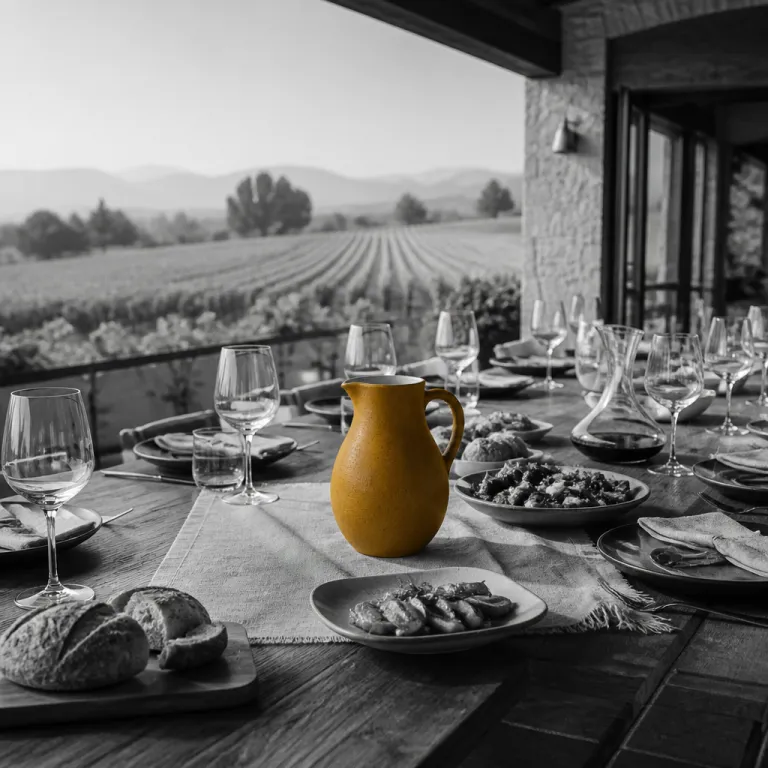
From tasting bar to table: how Chile redefined vineyard dining
In Chile, the classic tasting bar has quietly evolved into a full vineyard dining room where wine tourism Chile vineyard experience now means staying for dinner. The shift is clearest in the valleys within two hours of Santiago, where wineries pair multi course menus with precise flights of Chilean wine and treat the vines as both pantry and backdrop. For business travelers extending a trip, this new model turns a simple wine tour into an evening long immersion in landscape, gastronomy and service.
Colchagua Valley led the charge, with wineries near Santa Cruz transforming former barrel halls into elegant spaces that frame the surrounding wine country. Here, a single day can move from cellar tour to terrace aperitif to candlelit dinner among vines that produce some of the region’s most structured Cabernet Sauvignon and age worthy Colchagua wine blends. The best properties understand that the modern guest wants to enjoy both wines and cuisine as a single, choreographed experience rather than separate activities.
Across the wine valleys of central Chile, estates now design wine tours that begin with a walk through the rows and end with dessert under the stars. At Viu Manent Winery in the Colchagua Valley, for example, the team offers vineyard dining that uses local ingredients to echo the character of each valley wine poured at the table. This is where the phrase wine tourism Chile vineyard experience stops being a marketing line and becomes a tangible, sensory tour of place, from Maipo Valley reds to coastal Casablanca Valley whites.
Seasonal tables: why winter in the vines feels more intimate
High season in Chile’s wine country brings long evenings, outdoor tables and a festive rhythm that suits group tours and corporate retreats. Yet the off season, especially winter around Santiago and the nearby Maipo Valley, quietly offers the most intimate wine tourism Chile vineyard experience for travelers who value calm service and detailed storytelling. With fewer day visitors, sommeliers and chefs have time to read your preferences and recommend pairings that feel almost private.
In Colchagua Valley and the cooler Casablanca Valley, winter light falls earlier, so wineries lean into firelit dining rooms and slow braises that flatter structured Chile wine and older bottles of Cabernet Sauvignon. You might arrive from a morning tour of barrels to find a table set beside a stone hearth, where a tasting menu moves from coastal seafood to slow cooked meats matched with Colchagua wine and Maipo Valley blends. The quieter pace lets you enjoy longer conversations with winemakers about how each area, from Aconcagua Valley to Cachapoal Valley, shapes their wines.
For travelers planning a shoulder season trip, this is when a wine tour can feel like a private house party rather than a scheduled attraction. Many wineries in Chile adjust their gastronomic tours for cooler months, offering heartier dishes and extended tastings that highlight the structure of valley wine from different wine valleys. To go deeper into this side of the country, our guide to winter in the vineyard and Chile’s off season for wine lovers explains how to time your stay and which regions pair best with a quieter, more reflective experience.
Where the vineyard is the restaurant: estates that get food and wine right
The most compelling wine tourism Chile vineyard experience happens where the kitchen is as ambitious as the cellar. In Colchagua Valley, several wineries near Santa Cruz now run serious dining rooms that treat each glass of Chilean wine as a course partner rather than a simple tasting pour. These estates understand that discerning guests from Santiago or abroad expect the same precision they find in top city restaurants, only framed by vines instead of skyscrapers.
Viu Manent Winery has become a reference point, with vineyard side lunches that align seasonal dishes to specific wines from their Colchagua wine portfolio. Menus might move from fresh coastal ceviche with bright whites to slow cooked beef matched with structured Cabernet Sauvignon and other valley wine reds, all served within sight of the very parcels that produced them. At Alyan Family Wines in the Maipo Valley area, sunset dinners turn a standard wine tour into an extended evening, with panoramic views over the river and a sequence of wines that track the changing light.
Some properties go further and integrate lodging, so the winery becomes both restaurant and hotel for a complete wine tourism Chile vineyard experience. Vultur Wines operates a wine lodge concept where guests can enjoy long dinners, then walk a few metres to their rooms among the vines. To plan a multi valley trip that links these gastronomic estates from Maipo Valley through Colchagua Valley and into Casablanca Valley, use our curated itinerary for a wine lover’s road trip through Chile’s central valleys, which balances driving times, check in windows and unhurried meals.
Sleeping among the vines: wine lodges and vineyard stays
Staying overnight at a winery changes the rhythm of any wine tourism Chile vineyard experience, especially for executives used to tight business schedules. Instead of rushing back to Santiago after a late tasting, you can check into a vineyard lodge, leave your bags and let the evening unfold at the pace of the kitchen and cellar. The result is a trip that feels restorative rather than transactional, even if you arrived straight from meetings in the city.
In the Colchagua Valley area near Santa Cruz, several wineries and adjacent properties now offer rooms that look directly onto rows of vines. Guests wake to mist over the vineyards, enjoy a slow breakfast, then join small group wine tours that might include horseback riding between parcels or private barrel tastings with the winemaker. At Vultur Wines’ lodge, for example, the emphasis is on quiet comfort, thoughtful meals and wines poured in a way that encourages you to read the landscape as carefully as the label.
Elsewhere in Chile, estates in Maipo Valley, Casablanca Valley and Aconcagua Valley are experimenting with similar models, often with just a handful of rooms to keep the experience personal. These properties tend to work closely with nearby wineries, so a single day can include a wine tour at one estate, dinner at another and a nightcap back at your lodge. For travelers who enjoy combining vineyard stays with other landscapes, our feature on Patagonian adventures that do not require a tent shows how to balance wine country nights with time in the south without sacrificing comfort.
Designing a long weekend: Santiago plus two or three valleys
For many readers, the most realistic wine tourism Chile vineyard experience is a long weekend tacked onto a business trip to Santiago. With smart planning, you can land a deal in the city on Friday, then spend two or three days moving through Chile’s key wine valleys without feeling rushed. The goal is to enjoy both the wines and the hospitality infrastructure that has grown around them, from refined dining rooms to discreet vineyard lodges.
A classic route links Maipo Valley, Colchagua Valley and Casablanca Valley, each offering a distinct expression of Chile wine and different styles of wineries. Maipo Valley, close to Santiago, is ideal for structured reds such as Cabernet Sauvignon and polished cellar tours that fit into a single day. Colchagua Valley, anchored by Santa Cruz, delivers broader wine country views, horseback riding options at estates like Viu Manent Winery and deeper dives into Colchagua wine with dinners that stretch into the night.
To the west, Casablanca Valley brings cooler air and a focus on whites and sparkling wines, often paired with seafood driven menus that feel lighter after two days of reds. Further north, Aconcagua Valley and the neighbouring Cachapoal Valley offer quieter alternatives, with fewer visitors and more time to talk with winery teams about how each area shapes their wines. When planning, remember the practical advice shared by local tourism boards : "Reserve in advance. Check seasonal availability. Explore multiple vineyards."
Gastronomic details that matter: pairings, logistics and insider tips
The difference between a good and exceptional wine tourism Chile vineyard experience often lies in details that do not appear on glossy brochures. Thoughtful estates in Chile choreograph their tours so that cellar visits, tastings and meals form a coherent narrative rather than separate checklists. As a guest, you should expect staff to read your pace, adjust pours and recommend dishes that match both your schedule and your palate.
In Maipo Valley and Colchagua Valley, many wineries now design wine tours that start with a walk through specific parcels, continue with a focused tasting and end with a menu that highlights those same wines. You might taste a Cabernet Sauvignon from a single block, then sit down to a dish built around local beef or game that flatters its structure. Some estates, such as Alyan Family Wines and Viña Concha y Toro, extend this into evening formats where a guided tour flows directly into a multi course dinner and, in some cases, live entertainment.
Across the wine valleys, logistics are improving, with more wineries offering transport options from Santiago or nearby towns like San Fernando and Santa Cruz. When choosing where to stay, look for properties that coordinate with multiple wineries, so you can enjoy a different wine tour each day without driving after tastings. For travelers with specific dietary needs, it is reassuring that local operators state clearly : "Do I need reservations? Yes, advance booking is recommended. Are vegetarian options available? Yes, most wineries offer vegetarian dishes. Is transportation provided? Some wineries offer transport; check in advance."
FAQ
Do I need reservations for vineyard dinners in Chile’s wine valleys ?
Yes, you should always reserve ahead for any serious wine tourism Chile vineyard experience that includes dinner. Many wineries in Colchagua Valley, Maipo Valley and Casablanca Valley have limited seating and plan menus around confirmed numbers. Booking early also allows the team to recommend the best time of day and tailor pairings to your preferences.
Which Chilean valleys are best for combining wine tours with fine dining ?
Colchagua Valley and Maipo Valley currently offer the strongest combination of structured wine tours and ambitious dining rooms. Casablanca Valley is excellent for seafood focused menus paired with coastal whites, while Aconcagua Valley and Cachapoal Valley provide quieter, more personalised experiences. A balanced trip often includes at least two valleys, with one night in wine country to enjoy a longer dinner.
Can I stay overnight at a winery instead of a city hotel ?
Several wineries and adjacent properties in Chile now offer lodging among the vines, especially around Santa Cruz in Colchagua Valley. Options range from small casas del campo style lodges to more contemporary suites, all designed to extend your wine tourism Chile vineyard experience beyond the tasting room. Staying on site means you can enjoy late dinners, sunrise walks and unhurried departures the next day.
Is horseback riding available as part of vineyard tours ?
Yes, some wineries, such as Viu Manent Winery in Colchagua Valley, offer horseback riding through their vineyards as part of broader wine tours. These rides provide a different perspective on the landscape and often end with tastings or lunches that feature wines from the parcels you have just crossed. It is wise to reserve these activities in advance, especially on weekends and during harvest.
How many valleys can I realistically visit from Santiago in a long weekend ?
For a three day trip, most travelers comfortably visit two, at most three, wine valleys from Santiago. A common pattern is to start with Maipo Valley for a day tour, then spend one or two nights in Colchagua Valley or Casablanca Valley for deeper dining and lodging experiences. Trying to add Aconcagua Valley or Cachapoal Valley on the same weekend is possible but works best for guests who prioritise tastings over long, lingering dinners.