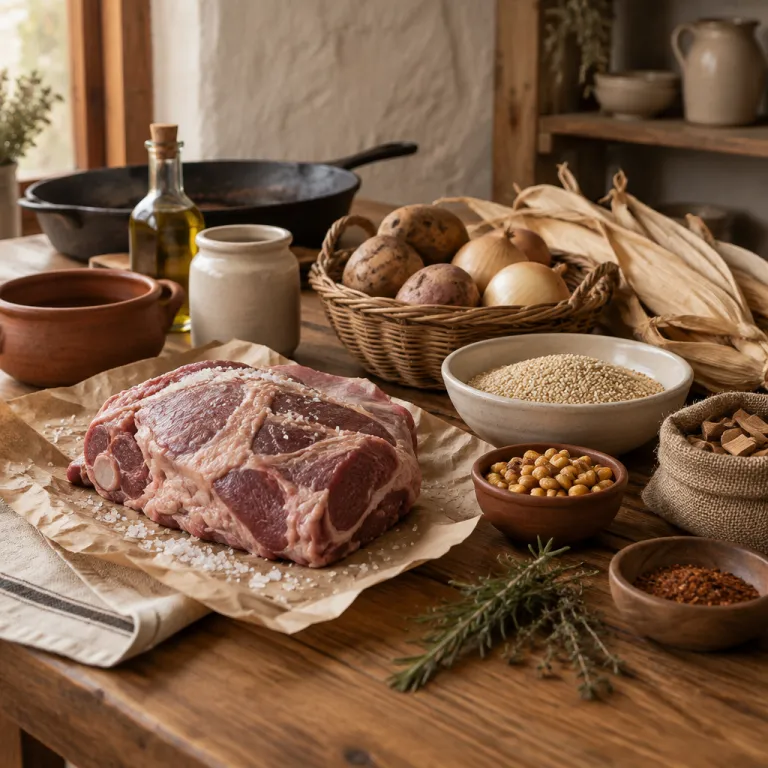
From curanto pits to Patagonian lamb: why open fire defines Chilean lodge cuisine
In the south of Chile, an open-fire dining lodge is not a theme but a continuation of rural life. Families have long gathered around curanto pits on the island of Chiloé, where shellfish, meats and potatoes steam for hours under nalca leaves, turning a simple meal into an elemental experience. That same sense of patient fire cooking now shapes how serious lodges in Patagonia and the Lake District think about every stay.
Across Patagonia and the Andean mountain valleys, asado al palo remains the benchmark for hospitality, with whole Patagonian lamb turning slowly beside the fire until the skin crackles and the meat falls from the bone. When a lodge frames this ritual against a full view of Torres del Paine or the volcanoes near Pucón, the landscape becomes part of the dining experience and not just a backdrop. Guests step from their room to the fire circle and understand instantly why live flame has always been the region’s preferred kitchen.
Many travelers arrive expecting a generic resort buffet and leave speaking about smoke, embers and the way a chef can read the wind. A thoughtful Chile open-fire dining lodge will often start the day with generous breakfast spreads cooked over coals, then move to a slower lunch-and-dinner sequence that follows the rhythm of the flames. At Tierra Patagonia, for example, the team talks about “listening to the fire” before deciding whether lamb, trout or vegetables go on first. For families, these dining experiences are theatre; children watch the chef at work, ask questions about the menu and remember the sparks more vividly than any kids’ club.
The Francis Mallmann effect and the rise of fire led lodge kitchens
No conversation about fire dining in South America is complete without Francis Mallmann, whose work has turned open fire into a language rather than a trend. His restaurants from Patagonia Argentina to Buenos Aires and José Ignacio showed how a chef could build a refined menu entirely around embers, smoke and patience. When a Chile open-fire dining lodge cites Francis Mallmann as an influence, it usually means the kitchen treats fire cooking as technique, not spectacle.
Some Chilean properties now invite a guest-chef team in the Francis style for seasonal residencies, blending local ingredients with Mallmann-inspired methods. You might see a chef’s table set beside a dome of hot stones, where vegetables roast slowly while a separate fire station handles thick cuts of beef and whole fish. The best lodges pair this with a thoughtful wine list that highlights cool-climate Pinot Noir from the south and structured Cabernet Sauvignon from the Maipo Valley, aligning glass and flame with quiet precision.
While Francis Mallmann himself remains more closely associated with Patagonia Argentina and a private island retreat in southern waters, his philosophy has clearly crossed the Andes. Chilean chefs talk about him by first name only, “Francis” as shorthand for a way of treating time, smoke and simplicity. If you are planning a trip around harvest season, pairing a Chile open-fire dining lodge stay with regional celebrations and late-harvest festival experiences in March and April can turn a single dinner into a full culinary journey.
Where flame meets family: how lodges turn fire into shared memory
For premium families, the right Chile open-fire dining lodge can solve a familiar tension: parents want fine dining while children need space, informality and a little drama. Fire delivers all three, especially when the lodge designs a dining room that opens directly onto a sheltered terrace with a full view of the grill. Children can watch the chef at work, feel the heat on their faces and still retreat to a warm room when the Patagonian wind picks up.
Thoughtful properties schedule fire dining around family rhythms, offering early breakfast options with pancakes cooked on cast iron over embers and flexible lunch-and-dinner services that do not penalize jet lag. A good chef will quietly adapt the menu, sending grilled vegetables and simply seasoned meats to the table for younger palates while adults explore more complex dishes built around local game, foraged mushrooms or line-caught fish. When the lodge adds a few subtle special offers for families, such as kids eating from the fire menu at reduced rates, the result feels generous rather than promotional.
Parents often ask whether a Chile open-fire dining lodge is safe for younger children, and the best properties answer with design rather than rules. Fire pits are set at a distance, paths are clearly lit and staff manage the flames for hours with calm, practiced movements. If you want to see how top properties handle this balance, our guide to family dining in Chile’s best hotels highlights several lodges where chef-led theatre and early bedtimes coexist comfortably.
Regions that do it best: Patagonia, Araucanía and the southern lakes
Not every Chilean resort is built for serious fire cooking, so choosing the right region matters as much as choosing the right room. Patagonia, especially the areas around Torres del Paine and Última Esperanza, remains the heartland for a Chile open-fire dining lodge, with wind-hardened lenga wood and cold nights that make the flames feel essential. Here, a lodge can offer a full view of granite towers by day and a circle of embers by night, turning each stay into a sequence of outdoor dining experiences.
Further north, the Araucanía region and the southern lakes around Villarrica and Llanquihue bring a different mood, with dense forests, Mapuche traditions and a slower, more introspective style of cooking. Lodges here often integrate private fire shelters near the water, where a chef prepares trout or salmon over open fire while guests return from a mountain hike or a kayak outing. Families who prefer softer landscapes to the raw drama of Patagonia Argentina often find this combination of lake, volcano and lodge kitchen ideal.
For travelers who like their fire cooking with a side of adventure, pairing a Chile open-fire dining lodge with off-trail excursions can be transformative. Our feature on Patagonian adventures beyond the W Trek outlines how to structure days so that long rides, glacier walks or remote boat trips end back at the fire. In these regions, the best special offers are not discounts but thoughtful itineraries that align hours outdoors with the slow arc of the flames.
How to read a fire focused lodge menu when booking your stay
When you browse a Chile open-fire dining lodge online, the language around food tells you almost as much as the photos. Look for mentions of a dedicated fire cooking area, a chef’s table near the grill and a dining room that opens directly onto a terrace or courtyard where flames are visible. Properties that treat open fire as central will describe how breakfast, lunch and dinner services adapt to weather, wind and the availability of local wood.
A serious lodge will also explain its sourcing, naming specific islands, estancias or mountain valleys that supply lamb, beef, vegetables and shellfish. If you see references to Chiloé Island or a private island in the fjords, expect curanto or similar pit cooking to appear on the menu at least once during a multi-night stay. In Patagonia and Patagonia Argentina–influenced kitchens, whole-animal fire dining often anchors the week, with the wine list leaning toward structured reds that can stand up to smoke.
Families should pay attention to how flexible the resort is with hours and how clearly it explains options for children. A good Chile open-fire dining lodge will offer both intimate private dinners by the flames and more relaxed communal dining experiences, allowing you to shift mood from one day to the next. When in doubt, ask directly whether the Francis-inspired team in the kitchen can adapt the dining experience for younger guests or dietary needs; the quality of the answer usually mirrors the quality of the cooking.
FAQ
What makes a Chilean open fire dining lodge different from a regular luxury hotel?
A Chilean open fire dining lodge builds its entire culinary identity around live flame, from breakfast to late evening drinks. Instead of treating a grill as an occasional feature, the chef designs the menu, service times and even the layout of the dining room around fire cooking. This creates dining experiences where the landscape, the smoke and the pace of the meal are inseparable from the stay.
Is open fire dining suitable for families with young children?
Well-designed lodges make open fire dining safe and engaging for families by controlling access to the flames and planning early meal times. Children can watch the cooking from a comfortable distance, often with a full view of the grill from the main room or terrace. Parents benefit from fine-dining-level food while still enjoying a relaxed, family-friendly atmosphere.
Which regions in Chile are best for fire focused lodge stays?
Patagonia is the strongest choice for travelers who want dramatic landscapes with traditional lamb cooked over open fire. The Araucanía region and the southern lakes offer a softer setting, with forests, volcanoes and lakefront lodges that specialize in trout, salmon and vegetables cooked over embers. Chiloé Island and the surrounding archipelagos are ideal if you are interested in curanto and other pit-based cooking traditions.
How can I tell if a lodge takes its fire cooking seriously before I book?
Read the property’s food section carefully and look for detailed descriptions of the fire setup, such as a dedicated grill area, a chef’s table by the flames or a specific mention of asado al palo and curanto. Serious lodges usually highlight their suppliers, explain how they adapt the menu to seasons and describe how many hours dishes spend over the fire. If information is vague or limited to a single photo of a grill, the fire element may be more decorative than central.
Do fire focused lodges cater to dietary restrictions or vegetarian guests?
Many high-end Chilean lodges now use open fire to elevate vegetables, grains and cheeses, not only meat. When booking, ask how the chef handles vegetarian or gluten-free requests and whether these dishes are integrated into the main menu rather than treated as afterthoughts. A confident answer with specific examples usually signals a kitchen that can deliver a satisfying dining experience for every guest.