Hotel guide Chile for seafood lovers in Santiago
Think of a refined hotel guide Chile as your backstage pass to Santiago’s seafood markets. In the capital of Chile, the smartest luxury hotels quietly choreograph early market runs so chefs can plate the ocean’s best by lunch service. If you read the room in these hotels, you will notice menus that change every few days as the Pacific and the Andes dictate what arrives at dawn.
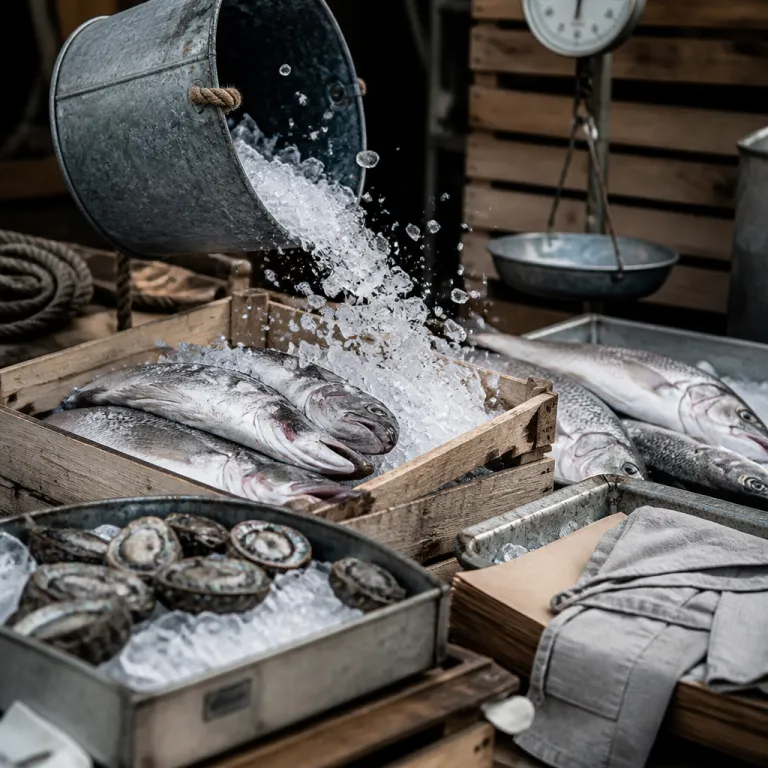
Mercado Central de Santiago is the city’s classic seafood hall and a cornerstone for any serious hotel guide Chile focused on gastronomy. This historic market in the heart of Santiago is where many chefs from the best hotels in the city source conger eel, Chilean abalone and king crab before guests even wake up. Operating from 07:30 most days, it rewards travelers who care about location and who are willing to trade a late breakfast at their hotel for the theatre of wholesale crates, shouted orders and glistening fish on ice.
Just north, Terminal Pesquero de Santiago functions as the wholesale engine behind many luxury hotels and high end restaurants. With over 100 seafood vendors, it is where chefs from leading Chile hotels negotiate directly with suppliers, choosing species that rarely leave Chile such as erizo sea urchin, locos abalone and picorocos giant barnacles. When you read a menu in a central Santiago hotel and see a daily ceviche or caldillo de congrio soup, there is a strong chance the fish passed through this terminal only hours earlier.
La Vega Central, another essential stop in any hotel guide Chile, adds vegetables, fruit and spices to the seafood story. This sprawling market is secure inside, though you should stay alert in surrounding streets and keep valuables close. Many chefs from luxury hotels in Santiago pair seafood from Mercado Central with produce from La Vega Central, creating tasting menus that reflect the natural beauty of central Chile in a single plate.
Santiago city hotels: pairing market mornings with luxury evenings
For travelers using a hotel guide Chile to plan a stay in Santiago, the most rewarding days start in the markets and end in a polished dining room. Many luxury hotels now offer guided morning walks through Mercado Central or La Vega Central, followed by a chef led lunch where the same fish appears on your plate. This is where adventure travel in an urban setting begins, not with a trek, but with a stand up ceviche eaten shoulder to shoulder with market workers.
At Mercado Central, etiquette is simple and direct, which contrasts elegantly with the refined service you will find later in Santiago city hotels. Order a plate of empanadas de mariscos or a steaming caldillo at one of the small counters, pay in cash, and eat quickly so others can take your place. The experience feels worlds away from a quiet hotel spa, yet the best hotels in Santiago now design packages that weave both into a single, carefully paced day.
La Vega Central adds another layer to this urban adventure in Chile, especially for solo travelers who like to read a city through its food. Inside the market, you can taste seasonal fruit juices, buy spices for later and watch how locals shop for everyday meals. Afterward, step back into the calm of your hotel, where concierges can secure dinner reservations at restaurants that transform those same ingredients into multi course tasting menus for discerning guests.
To deepen this Santiago chapter of your travel Chile itinerary, pair a market morning with an afternoon of curated city experiences. A detailed guide to things to see and do in Santiago for luxury minded travelers will help you connect seafood markets with galleries, rooftop bars and refined hotels. By nightfall, you will understand why hotels Chile in the capital are increasingly judged not only by their facilities and spa offerings, but by how intelligently they plug guests into the city’s living food markets.
From central markets to coastal caletas: how chefs across Chile source seafood
Central markets in Santiago are only the first chapter in a serious hotel guide Chile focused on seafood. Along the coast of Chile, from Valparaíso to Coquimbo, luxury lodge chefs work directly with small caletas, the traditional fishing coves that still define the country’s maritime culture. These relationships allow hotels to serve seafood that has traveled only a few kilometres from boat to plate, often within the same day.
In Valparaíso, chefs at high end Chile hotels often start their days at the local fish market before sunrise. They select congrio for refined stews, erizo for briny tostadas and seasonal white fish for delicate ceviches that appear on hotel menus by lunch. This hands on sourcing gives guests a tangible sense of Chile’s natural beauty, especially when dining rooms overlook the Pacific and the port’s working ships.
Farther north, in Coquimbo and the gateway to the Atacama Desert, coastal hotels and inland lodges coordinate with fishermen to move seafood quickly up the valleys. While the Atacama region is better known for stargazing and desert adventure, its hotels quietly rely on these coastal markets to keep menus vibrant. Guests who read their hotel’s daily specials closely will notice how the catch shifts with the seasons, reflecting both the Humboldt Current and the rhythms of local fishing communities.
Seasonality matters across Chile, and the best hotels adjust their offerings accordingly. Cooler months favour hearty caldillo and rich stews, while warmer days bring lighter ceviches and chilled preparations that pair well with coastal wines. For travelers planning when to visit, a resource on planning a luxury stay around the weather in Chile can help align seafood cravings with the country’s shifting maritime calendar.
Patagonia, lake district and Atacama: how remote lodges turn markets into menus
Once you leave central Chile, the seafood story becomes more complex and even more interesting for a hotel guide Chile. In Patagonia and the lake district, remote lodge kitchens must balance distance from major markets with a commitment to freshness and local character. The result is a network of relationships that stretch from Santiago’s wholesale terminals to tiny southern ports and inland farms.
In the shadow of Torres del Paine, properties such as Awasi Patagonia and Estancia Cerro Guido illustrate how luxury hotels can still feel deeply connected to the sea. Awasi Patagonia, profiled in depth in this review of an intimate Patagonian retreat for refined travelers, works with trusted suppliers who move seafood south under strict cold chain standards. At Estancia Cerro Guido, a historic estancia turned lodge, chefs pair Patagonian lamb with shellfish from nearby channels, creating plates that speak to both land and ocean.
In the lake district, hotels around Lago Llanquihue and other lakes integrate seafood from coastal markets with freshwater fish and local produce. Guests can spend days hiking, kayaking or engaging in soft adventure, then return to dining rooms where congrio from the Pacific meets trout from nearby rivers. This blend of influences reinforces why many travelers see the lake district as a bridge between central Chile’s markets and the wilder reaches of Patagonia.
Even in the Atacama Desert, where the landscape feels otherworldly, luxury hotels rely on coastal markets to keep seafood on the menu. Chefs in San Pedro de Atacama coordinate deliveries from ports such as Antofagasta, timing shipments to arrive just before dinner service. For guests, the contrast between a day spent in the Atacama Desert and an evening tasting Pacific seafood under some of the clearest skies in South America is part of the region’s quiet magic.
Easter Island and Rapa Nui: island markets, hotel kitchens and etiquette
Any serious hotel guide Chile must eventually cross the Pacific to Easter Island, known locally as Rapa Nui. Here, the seafood chain shortens dramatically, with island fishermen landing their catch only minutes from hotel kitchens. Luxury hotels on the island work closely with these small scale fishers, adjusting menus daily based on what the ocean provides.
On Rapa Nui, there is no sprawling Mercado Central, but rather a series of small stalls and informal markets where residents and chefs buy fish. Guests staying at the best hotels can often arrange early morning visits with guides who explain which species are most sustainable at different times of year. Watching a chef select fish for that evening’s tasting menu gives travelers a rare, intimate look at how island hospitality operates far from mainland Chile and Argentina.
Market etiquette on Easter Island is relaxed but respectful, and it differs from the stand up ceviche culture of central Chile. You may be offered simple grilled fish, empanadas or ceviche served in modest portions, often eaten at shared tables or benches. Paying in cash, greeting vendors politely and accepting what is available rather than demanding specific species are all part of the unspoken code.
Back at your hotel, the same fish appears transformed by refined techniques and thoughtful wine pairings. Many luxury hotels on Easter Island now highlight this market to table journey in their storytelling, helping guests read the island’s culture through its food. For solo travelers, this combination of raw market experience and polished hotel service creates a balanced form of adventure that feels both grounded and indulgent.
Planning your seafood focused stay: safety, seasonality and smart hotel choices
Designing an itinerary around seafood markets requires more than a generic hotel guide Chile, especially if you are traveling alone. Start by choosing hotels whose concierges understand both gastronomy and logistics, from Mercado Central visits in Santiago to caleta excursions along the coast. These teams can advise on the best days to visit markets, which stalls to trust and how to move safely through crowded areas.
Safety is straightforward if you follow local advice and stay aware of your surroundings. Inside markets such as La Vega Central, the atmosphere is generally secure, but you should keep valuables out of sight and avoid isolated streets nearby. Many luxury hotels now offer escorted visits or vetted guides, allowing you to focus on tasting stand up ceviche, caldillo and empanadas de mariscos rather than worrying about practicalities.
Seasonality shapes what you will find in markets across Chile, from central hubs to remote ports. Cooler months bring richer stews and heartier fish, while warmer days favour lighter preparations and raw dishes that showcase the ocean’s clarity. When you read hotel menus or talk with chefs, ask which species are at their peak and how they source them, as this often reveals which hotels are truly committed to quality and sustainability.
Finally, think of your seafood journey as a thread connecting very different landscapes, from the Atacama Desert to Patagonia and the lake district. A well planned route might start in Santiago’s markets, continue through coastal towns, then end in a remote lodge where seafood arrives from trusted suppliers rather than nearby stalls. In every location, the hotels that stand out are those that treat markets not as tourist attractions, but as living partners in the story of Chile’s natural beauty and culinary identity.
Key figures behind central Chile’s seafood markets
- Chile’s coastline stretches for roughly 4,000 km along South America, giving its markets access to a wide range of marine ecosystems and species compared with shorter coastal nations (Very Tasty World, data referenced by tourism sources).
- Mercado Central de Santiago has operated since the nineteenth century, making it one of the oldest continuously functioning seafood markets in Chile and a historic sourcing point for many city hotels (Santiago Turismo data).
- Terminal Pesquero de Santiago brings together over 100 seafood vendors under one roof, creating a dense wholesale hub that supplies restaurants and hotels across the capital and beyond (Aroundus market profile).
- Central Chile’s markets operate year round, but the mix of species shifts with ocean temperatures and currents, meaning hotel menus that follow the markets can change significantly between cooler and warmer months.
- Growing demand for sustainable seafood from both local diners and international travelers has pushed more hotels in Chile to ask detailed questions about origin, catch methods and seasonality when buying from these markets.
FAQ: seafood markets and hotel dining in central Chile
What are the operating hours of Mercado Central in Santiago ?
What are the operating hours of Mercado Central? Monday to Thursday: 07:30-17:00; Friday: 07:30-20:00; Saturday: 07:30-19:00; Sunday: 07:30-17:00. (santiagoturismo.cl) These hours allow hotel chefs to shop early, while travelers can comfortably visit mid morning or around lunch.
Is La Vega Central safe for solo travelers staying in Santiago hotels ?
Is La Vega Central safe to visit? Inside the market is secure; exercise caution in surrounding areas due to reported incidents. (elpais.com) Solo travelers should go during daylight, keep valuables hidden and consider asking their hotel to arrange a trusted guide.
Which seafood species should I look for in central Chile’s markets ?
What seafood is popular in these markets? Conger eel, Chilean abalone, and king crab are commonly available. (lonelyplanet.com) You will also see seasonal shellfish such as erizo sea urchin and picorocos giant barnacles, which rarely appear outside Chile.
Can luxury hotels arrange guided visits to seafood markets ?
Many luxury and premium hotels in Santiago and along the coast now offer guided market visits, often led by chefs or knowledgeable concierges. These experiences typically include transport, help with ordering and a follow up meal where the same ingredients appear in refined dishes. Ask your hotel in advance, as the best tours are often limited to small groups.
How should I behave when eating at market stalls in Chile ?
Market etiquette is relaxed but efficient, especially at busy counters in places like Mercado Central. Wait to be seated or waved over, order clearly, pay promptly and avoid lingering once you finish so others can sit. Cash is still preferred at many stalls, and a simple greeting in Spanish is always appreciated by vendors.