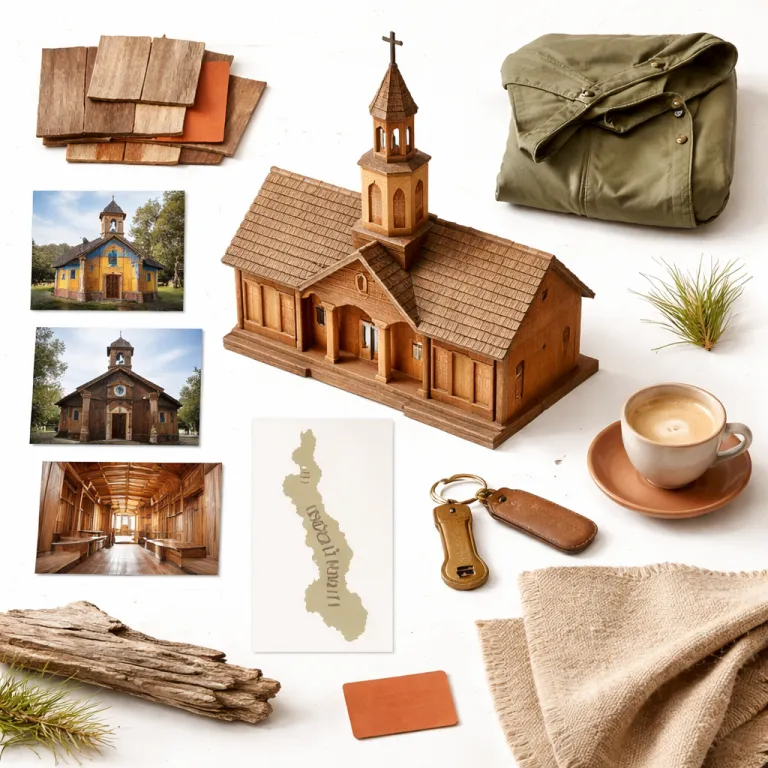
Chiloé’s wooden churches: visiting Chile’s living UNESCO World Heritage landscape
Chiloé’s wooden churches as a living UNESCO heritage landscape
The phrase “chiloé churches unesco chile” sounds academic, yet the reality feels intimate. On Chiloé Island you move between misty fields and fishing coves, then a church tower in painted shingles suddenly rises above grazing sheep. These churches in Chiloé are not museum pieces; they are working sanctuaries where bells still mark tides and seasons.
Sixteen of these wooden churches in Chiloé Chile are inscribed as a UNESCO heritage site, out of roughly seventy churches spread across the Chiloé Archipelago. Each church was built in native timber by Chilote carpenters, who adapted European plans to a wet, windswept island world. UNESCO’s recognition of these heritage sites rests on how Jesuit missionaries and later Franciscan missionaries fused European Catholic layouts with indigenous Huilliche boatbuilding skills.
When UNESCO listed the Chiloé churches as a World Heritage Site in 2000, it framed them as a single cultural property rather than isolated monuments. The state party of Chile committed to conservation policies that support local communities who still use every church for worship and festivals. As UNESCO notes in its official description of the Churches of Chiloé, the ensemble of sixteen wooden churches in southern Chile is recognised for its unique architecture, its authenticity in materials and techniques, and its ongoing role in community life.
Architecture, carpentry and faith in the Chiloé archipelago
Stand in front of the church of San Francisco in Castro and the scale surprises you. The façade glows in bright yellows and purples, while a tall tower pair frames the harbour and the palafito stilt houses below. Inside this wooden church, the nave feels like an inverted ship hull, a reminder that Chilote carpenters once built boats and churches with the same tools.
Across the Chiloe Archipelago, every church was built in local coigüe, cypress and alerce, often without a single iron nail. Jesuit missionaries introduced the circular mission system, sailing between islands, while Chilote carpenters translated stone European churches into flexible wooden sanctuaries that could withstand earthquakes and constant rain. Between the seventeenth and nineteenth centuries, these churches in Chiloé Chile became anchors of faith, trade and education for scattered island communities.
The church of Nuestra Señora del Rosario in Chonchi shows this fusion in miniature, with its tiered tower and shingled façade facing the bay. Nearby, the church of Nuestra Señora de Gracia de Nercón, often called church Nercón, rises above potato fields and sheep pastures on the outskirts of Castro. Both churches Chiloe visitors see today are part of the same UNESCO heritage narrative that links architecture, devotion and the communal minga tradition of shared labour, now documented in Chile’s National Monuments Council inventories and UNESCO periodic reporting.
Key UNESCO churches on Chiloé Island for design lovers
For a first trip focused on the UNESCO World Heritage churches of Chiloé, base yourself in Castro or Dalcahue. From Castro you can walk to San Francisco, then drive a short distance to the wooden church at Nercón, where the bell tower leans slightly like a seasoned sailor. The interior of church Nercón glows in honey coloured timber, with carved columns that echo the ribs of a Chilote fishing boat.
South of Castro, the town of Chonchi offers another highlight among Chiloe churches with its Nuestra Señora del Rosario, whose façade steps up in three levels of painted wood. On Quinchao Island, reached by a brief ferry crossing of around 10–15 minutes from Dalcahue, the church of Santa María de Loreto in Achao is one of the oldest wooden churches in the archipelago. Its long nave and finely joined beams show how Chilote carpenters refined their craft across generations of church building.
Further along the same island road, the church of Nuestra Señora de Gracia in Quinchao stands on a rise with sweeping views of sea and hills. To the south, the church of Jesús Nazareno in Caguach and the church of San Juan on the main island host major religious festivals that draw pilgrims from across Chiloé Chile. Smaller communities such as Ichuac maintain the church Ichuac as both a spiritual centre and a symbol of declared heritage status within the wider network of heritage sites described by Chile’s National Monuments Council.
From UNESCO churches to luxury stays: how Chiloé does high end hospitality
Luxury travelers often ask whether a journey built around Chiloé’s UNESCO-listed churches can justify a multi night stay. The answer is yes, especially when you pair the wooden churches with a design forward property that channels the same respect for landscape and craft. Refugia Chiloé, a contemporary lodge on a private peninsula facing the inland sea, is one example often cited in Chile travel media of this dialogue between heritage and modern comfort.
The lodge’s long, low profile echoes traditional Chilote barns, while its timber cladding references the shingled churches Chiloe visitors spend their days exploring. Inside, floor to ceiling windows frame the Chiloe Archipelago as dramatically as any church tower, and the use of native woods nods to the same carpentry traditions that shaped every wooden church on the island. Many suites feel like warm observation decks where you can trace your day’s route on a mental map of bays, islands and distant church spires.
Editor’s note: This section contains affiliate travel recommendations. High end properties on Chiloé Island increasingly weave cultural experiences into their itineraries, from guided visits to San Francisco in Castro to private tours of Jesús Nazareno and Santa María churches during local festivals. Some collaborate with local communities involved in state conservation projects, ensuring that tourism revenue supports ongoing restoration of each heritage site. For a broader view of how to secure value at this level, our guide to unlocking exceptional savings on luxury hotel bookings in Chile explains how to align premium stays with meaningful cultural itineraries.
Planning your route: ferries, weather and a personal heritage map
Reaching the heart of Chiloé’s World Heritage church landscape usually starts with a ferry crossing from the mainland port of Pargua to Chacao. The car ferry runs frequently and takes about 30–40 minutes across the Chacao Channel. From there, a well maintained road leads south through rolling farmland to Ancud, Castro and the smaller villages that shelter many wooden churches, with Pargua to Castro taking roughly two and a half hours of combined ferry and driving time.
Think of the Chiloé Archipelago as a constellation of heritage sites rather than a linear checklist, and sketch your own map that links churches, markets and viewpoints. One day might focus on Castro, San Francisco, church Nercón and the palafitos, while another loops through Chonchi, Queilén and the southern coast. A third day could be devoted to Quinchao Island, taking in Santa María de Loreto in Achao, the church at Quinchao and smaller churches Chiloe communities maintain with quiet pride; local parish offices and municipal tourism departments are the best sources for current opening hours.
Fog, drizzle and fast moving clouds are part of the Chiloé Chile experience, and they lend the churches an atmospheric, almost cinematic quality. This climate also explains why state conservation and local maintenance matter so much for every wooden church and tower. Before you travel, check which churches are open, respect local customs during services and remember that you are entering living places of worship, not just architectural property on a UNESCO heritage list.
How conservation, community and state policy protect Chiloé’s churches
The long term future of Chiloé’s UNESCO churches depends on a careful balance between tourism, faith and conservation. Chile, as the state party to the UNESCO convention, works with the Catholic Church and local communities to fund restoration and monitor the condition of each property. According to Chile’s National Monuments Council and UNESCO periodic reporting, public funds and international assistance are regularly directed to priority repairs on the inscribed churches.
Community involvement remains central, echoing the historic minga tradition where neighbours once helped move entire wooden churches on log rollers from one site to another. Today, parish committees coordinate with architects and conservation specialists, ensuring that state conservation funds respect original carpentry techniques and local aesthetics. The result is that declared heritage status does not freeze these churches in time; it keeps them evolving as living heritage sites that continue to serve island communities.
For travelers, this means that every visit to San Francisco in Castro, Nuestra Señora in Chonchi, Jesús Nazareno in Caguach, San Juan or Santa María in Achao directly supports ongoing conservation. Entrance donations, guided tour fees and responsible photography policies all contribute to the wider network of churches Chiloe communities maintain. When you step back from a hilltop and see a church tower rising above the Chiloe Island landscape, you are looking at a shared achievement of state, church and community that continues to shape Chiloé Chile today and is recognised in official UNESCO documentation.
FAQ
What makes the Chiloé churches unique compared with other churches in Chile ?
The Chiloé churches are almost entirely wooden churches, built by Chilote carpenters who adapted European Catholic designs to local materials and a rainy, maritime climate. Their interiors resemble inverted ship hulls, reflecting the archipelago’s boatbuilding heritage. This blend of European and indigenous techniques is rare among churches in Chile and underpins their UNESCO heritage status.
How many Chiloé churches are UNESCO World Heritage Sites ?
There are sixteen Chiloé churches inscribed as a single UNESCO World Heritage Site across the Chiloé Archipelago. These sixteen stand out among roughly seventy wooden churches that still exist on the islands. The UNESCO listing recognises their architectural value and their ongoing role as active community churches.
When were the Chiloé churches built ?
The main Chiloé churches were built between the seventeenth and nineteenth centuries, first under Jesuit missionaries and later under Franciscan missionaries. Construction often involved communal labour, with entire villages contributing time and timber. This long building period explains the stylistic variations you see from Castro to Chonchi and across to Quinchao Island.
Can I visit the churches independently or do I need a guide ?
You can visit most churches independently by car, using a detailed map and checking local opening times. A guide, however, adds context about carpentry techniques, religious festivals and conservation work that is not always explained on site. For travelers staying in luxury properties, many hotels can arrange private guided circuits focused on specific churches or themes.
Are the Chiloé churches still used for religious services ?
Yes, the churches in Chiloé are living places of worship with regular Masses, baptisms and major annual festivals. Communities gather at churches such as Jesús Nazareno in Caguach or San Juan for processions that fill the surrounding fields and coves. Visitors are welcome, provided they dress respectfully, avoid intrusive photography during services and follow local guidance from parish volunteers.