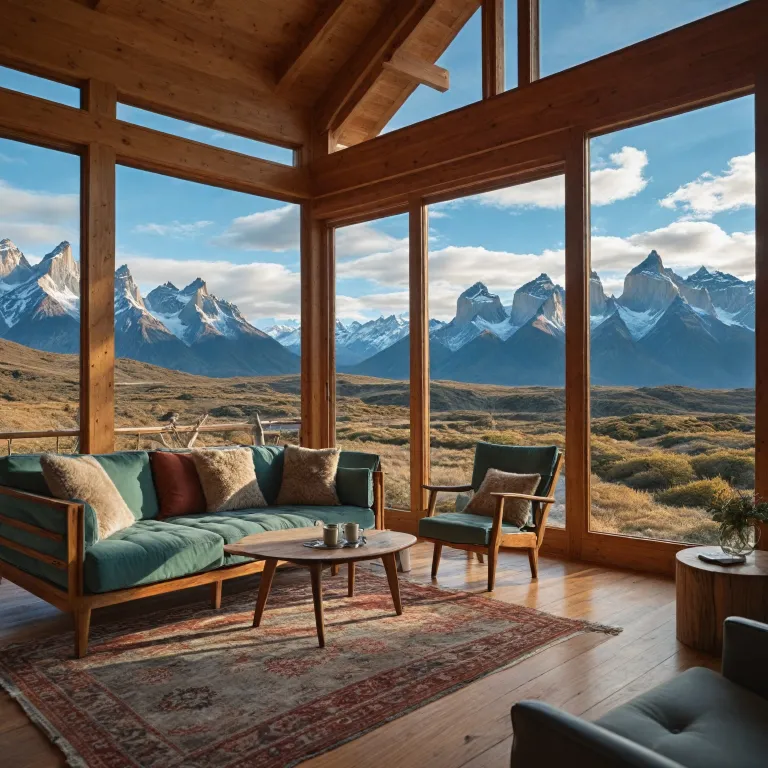
Why the torres del paine trek pairs perfectly with luxury stays
The torres del paine trek attracts travelers who value both wilderness and comfort. Around the granite torres and the vast paine massif, you can combine demanding hiking with refined hotels that elevate every evening. This balance matters for guests who want the drama of a national park without sacrificing restorative sleep and attentive service.
Torres del Paine National Park is managed by CONAF (Corporación Nacional Forestal), which safeguards the park and its fragile ecosystems. Their regulations shape how you plan each trek, where you camp, and which campsite or refugio you can book in advance. Understanding this framework helps you align a premium hotel stay in Puerto Natales or near las torres with responsible time inside the park.
The classic torres del paine trek routes, including the W trek and the longer O circuit, start and end near key access points such as laguna amarga and paine grande. Many luxury travelers choose to base themselves in Puerto Natales, then use a bus or private transfer to reach the park gates each day. This approach lets you enjoy long hours hiking while returning to hot water, spa facilities, and curated Patagonian cuisine at night.
For those who still want one night of camping, carefully selected campsites like frances or near los cuernos can be combined with hotel nights before and after. You will need to reserve each campsite and any sleeping bag rental well ahead, especially in peak season. This hybrid model keeps the torres del paine trek accessible to travelers who prefer premium bedding and quiet, elegant lounges most nights.
Choosing between luxury lodges and premium hotels around the park
When planning a torres del paine trek, your first major decision is where to sleep outside the national park. Some travelers opt for high end lodges close to las torres, while others prefer premium hotels in Puerto Natales with easier access to restaurants and services. Both options can work beautifully if you match your hiking plans, transfer times, and comfort expectations.
Staying near the park shortens the bus or private transfer to trailheads such as laguna amarga, paine grande, or the sector near los cuernos. This can reduce early morning hours on the road and give you more hours hiking each day. However, these remote properties may have fewer dining choices than the growing selection in Puerto Natales.
Puerto Natales offers a broader range of luxury and premium hotels, many with refined spas, Patagonian tasting menus, and expert concierge teams. Before booking, consult detailed Chile luxury hotel reviews to compare service standards, room sizes, and views across properties from Santiago to Patagonia at independent premium hotel reviews in Chile. These insights help you understand which hotels coordinate seamlessly with park transfers, bus sur schedules, and guided hiking excursions.
Whichever base you choose, confirm how the hotel supports your torres del paine trek logistics. Ask whether they can arrange early breakfasts, packed lunches for a long hike, and drying facilities for wet gear after hours in Patagonian wind. Clarify if they partner with local guides who know every distance in kilometers between key points like frances, mirador britanico, and grey paine, ensuring your daily plans remain realistic.
Designing a torres del paine trek itinerary from a premium base
A thoughtful itinerary lets you enjoy the torres del paine trek while still savoring premium hotel comforts. Many guests choose a series of day hikes into the national park, returning each evening to Puerto Natales or a nearby lodge. This pattern works especially well for travelers who prefer not to carry a sleeping bag or heavy camping gear.
Start with the iconic hike to the base of the torres, accessed from the las torres sector of the park. This demanding trek can take several hours hiking uphill, so plan an early departure from your hotel and coordinate a reliable bus or private transfer. You will appreciate returning to hot water, a quiet room, and refined dining after a full day on the trail.
On another day, explore the paine grande area, where boat transfers and marked trails lead toward grey paine and its glacier views. Distances in kilometers vary between segments, so your hotel concierge or guide should help you match each hike to your fitness and available daylight hours. A third day might focus on the frances valley and mirador britanico, where dramatic views reward steady hiking through changing terrain.
To structure this kind of trip, use trusted planning resources on how to find luxury hotels in Chile that integrate well with trekking logistics. A helpful starting point is guides to finding luxury hotels in Chile, which explain how premium properties coordinate with local operators. Aligning your hotel bookings, park entry, and bus sur tickets in advance ensures your torres del paine trek unfolds smoothly.
Balancing camping experiences with high end comfort
Some travelers want at least one night of camping inside the park to feel fully immersed in Patagonia. You can still enjoy a torres del paine trek with this element while relying on luxury hotels before and after for deeper rest. The key is to choose well managed campsites and refugios that complement, rather than replace, your premium base.
Within the national park, designated areas such as paine grande, frances, and los cuernos offer structured camping and refugio options. Operators like Vertice Patagonia and Fantastico Sur manage many of these facilities, providing platforms, meals, and sometimes hot water for showers. Mandatory pre booking means you must secure each campsite and any sleeping bag rental long before your trip.
When comparing options, pay attention to distance in kilometers between your planned overnight points and the nearest ranger station. This helps you estimate realistic hours hiking each day and understand how quickly you can reach assistance if weather changes. Remember that Patagonian conditions can shift rapidly, so your torres del paine trek should always include contingency time.
After a night under the stars, returning to a premium hotel in Puerto Natales or near las torres feels especially rewarding. You will appreciate spacious rooms, refined linens, and attentive staff who understand the cost in CLP of every logistical detail you have managed. This blend of camping and comfort lets you experience both the raw energy of the park and the restorative calm of high end hospitality.
Practical logistics: transfers, timings, and on trail comfort
Efficient logistics transform a torres del paine trek from stressful to serene, especially when you combine it with luxury stays. Most visitors route through Puerto Natales, which serves as the main gateway town to the national park. From here, you can board bus sur services or arrange private transfers to laguna amarga, paine grande, or other entry points.
Check bus timetables carefully, as departure and arrival hours will shape your possible day hikes. Factor in the distance in kilometers from each ranger station or trailhead to your chosen viewpoint, whether that is the base of the torres or mirador britanico. Your hotel concierge can often help interpret schedules, estimate cost in CLP, and secure tickets in advance.
On the trail, comfort depends on smart packing rather than luxury gear alone. Even if you return to a premium hotel each night, you still need layers for sudden wind, a light sleeping bag if you plan any camping, and snacks for long hours hiking. Many travelers appreciate refugios managed by Vertice Patagonia or Fantastico Sur, where hot water, simple meals, and basic supplies support the overall torres del paine trek experience.
Within the park, clearly marked paths make independent hiking feasible for many visitors. However, guided hikes can add safety and context, especially when weather obscures views around los cuernos or grey paine. While not mandatory for all routes, hiring a certified guide is recommended for safety and enhanced experience.
Luxury wellness, sustainability, and value for money in Patagonia
After demanding days on the torres del paine trek, wellness focused facilities become more than a luxury. Many premium hotels in Puerto Natales and near las torres now feature spas, heated pools, and massage services tailored to tired hikers. For travelers planning extended hiking hours, these amenities can significantly improve recovery and overall enjoyment.
Some properties in Patagonia integrate wellness with sustainability, using local materials, renewable energy, and careful water management. This aligns with the conservation goals of Torres del Paine National Park and the broader paine national region. When evaluating options, ask how each hotel supports CONAF guidelines and minimizes its footprint while hosting guests who hike and camp in the park.
To compare offerings, look for detailed descriptions of spa facilities, hot water availability, and post trek services in Chile wide wellness overviews. A useful reference is this guide to luxury spa hotels in Chile, which highlights properties from Santiago to Patagonia that pair well with national park adventures. Understanding these options helps you judge whether the cost in CLP reflects genuine value for your torres del paine trek.
Finally, consider how your spending supports local communities in Puerto Natales and the wider region. Choosing hotels and operators that employ local staff, respect ranger station guidance, and collaborate with Vertice Patagonia or Fantastico Sur strengthens the long term future of the park. Growing popularity of eco tourism and advancements in trekking gear and technology enhancing safety mean your choices today influence how others will experience this landscape tomorrow.
Key statistics for planning a torres del paine trek
- Annual visitors to Torres del Paine National Park : 252 000 people.
- Approximate distance of the W trek in the park : 80 kilometers.
- Approximate distance of the O circuit around the paine massif : 100 kilometers.
Essential questions about the torres del paine trek
What is the best time to trek in Torres del Paine?
The optimal trekking season is from November to March, offering milder weather conditions. During these months, you benefit from longer daylight hours, which is crucial when planning each hike and estimating distance in kilometers. Even in this period, conditions around las torres, paine grande, and grey paine can change quickly, so always carry appropriate layers.
Are there any age restrictions for the treks?
There are no specific age restrictions, but treks require a good level of physical fitness. Families often choose shorter day hikes from sectors like laguna amarga or frances, while more experienced hikers tackle longer routes toward mirador britanico or the full W trek. Whatever your age, discuss your plans with hotel staff or guides who understand the terrain and typical hours hiking for each section.
Is it necessary to hire a guide for the treks?
Is it necessary to hire a guide for the treks? While not mandatory for all routes, hiring a certified guide is recommended for safety and enhanced experience. Guides add value by interpreting weather patterns, coordinating with ranger station staff, and adjusting plans if trails near los cuernos or other exposed areas become unsafe.