Chiloé Island as a refined gateway to southern Chile
Chiloé Island, or Isla Grande within the wider Chiloé archipelago, offers a rare blend of refined comfort and deep cultural authenticity for discerning travelers. In southern Chile, this large island sits between the chacao channel and the open sea, with forests and rolling fields shaping a quietly dramatic landscape. Luxury and premium hotel options remain relatively small in number, yet they increasingly respond to guests seeking meaningful immersion rather than generic stays.
The main town of Castro, often referred to as Castro Chiloé, anchors most itineraries and provides a practical base for exploring the island. Here, a traveler can book a carefully curated hotel with a panoramic view over the stilt houses that line the coast, while still remaining close to the local markets and wooden churches. This balance between comfort and proximity to everyday Chilote life is central to the new generation of high end properties on Chiloé Island.
Chiloé Island is known for its unique culture, distinctive wooden architecture, rich folklore, and diverse ecosystems. For travelers comparing destinations across south America, the island stands apart from the more famous Torres del Paine region or the windswept city of Punta Arenas. Instead of towering granite peaks, Chiloé Island offers a softer landscape of chilean lake vistas, sea inlets, and heritage villages that reward slow, attentive exploration.
Many visitors arrive from Puerto Montt, the main gateway to the chilean lake district, before crossing the chacao channel by ferry. Others connect from further south, linking an itinerary that includes Torres del Paine and Punta Arenas with a quieter stay on island Chiloé. In every case, the transition from mainland Chile to Chiloé Island feels like entering a parallel world where chilote traditions, wooden churches, and maritime rhythms still guide daily life.
Understanding Chilote culture and its influence on premium stays
The inhabitants of Chiloé Island, known as Chilotes, shape the character of every premium hotel experience on the island. Their livelihoods in agriculture, fishing, and timber have created a culture that values resilience, hospitality, and a close relationship with the sea and forests. When a traveler checks into a luxury hotel in Castro or a coastal town, the warmth of the local welcome often becomes as memorable as the architecture or the view.
Jesuit priests once commissioned many of the iconic wooden churches that now define the island’s skyline and identity. Sixteen of these wooden churches form a UNESCO heritage ensemble, and thoughtful hotels increasingly integrate visits to these churches into curated itineraries. Guests may spend the morning exploring a small wooden church in a fishing village, then return to a refined dining room where chilote recipes reinterpret local seafood and potatoes with contemporary techniques.
Chiloé Island can be accessed by ferry across the Chacao Channel or by flights to the airport in Castro. This relative isolation has preserved both the flora fauna and the intangible heritage of the Chilote communities. For luxury travelers, that isolation translates into a sense of retreat, where the pace of life slows and the focus shifts from ticking off sights to engaging with local stories.
High end properties on Isla Grande often collaborate with local guides, farmers, and artisans to create experiences that feel genuinely rooted in the island. A hotel might arrange a private curanto feast prepared in the earth, or a guided walk through forests near a national park that highlights endemic flora fauna and chilote legends. In this way, the line between accommodation and cultural immersion blurs, giving guests a deeper understanding of Chiloé Island and its place within southern Chile.
Landscape, national parks, and the art of slow luxury
Chiloé Island covers more than eight thousand square kilometres, with landscapes that shift from windswept coast to dense forests and gentle farmland. Unlike the dramatic peaks of Torres del Paine, the island’s beauty is understated, encouraging a slower style of travel that aligns naturally with luxury and premium hotel concepts. Many properties position themselves as gateways to the island’s national park areas and protected coastlines, where the focus is on contemplation rather than conquest.
The main protected area, often referred to as Chiloé National Park, stretches along the wild west coast of Isla Grande. Here, the meeting of sea, forests, and dunes creates a powerful sense of remoteness that appeals to travelers seeking space and silence. Hotels in Castro, other towns, or along the coast can arrange guided excursions into this national park, combining soft hiking with wildlife observation and picnics featuring local produce from the chilean lake district.
Explore the island's natural parks to witness diverse flora and fauna. This emphasis on nature based experiences differentiates Chiloé Island from more urban destinations in Chile, where luxury often centers on design and nightlife. On Chiloé Island, the most coveted amenity may be a floor to ceiling window framing the sea, forests, and changing skies of southern Chile.
Travelers often combine a stay on Chiloé Island with time in Puerto Montt or the wider chilean lake region, using these hubs for flights and logistics. Some itineraries also link northward to the lake district or southward toward Punta Arenas and Torres del Paine, creating a broader portrait of south America’s southern cone. Within that larger journey, island Chiloé offers a restorative pause, where a premium hotel becomes a base for unhurried walks, birdwatching, and quiet evenings overlooking the coast.
Heritage architecture, wooden churches, and coastal towns
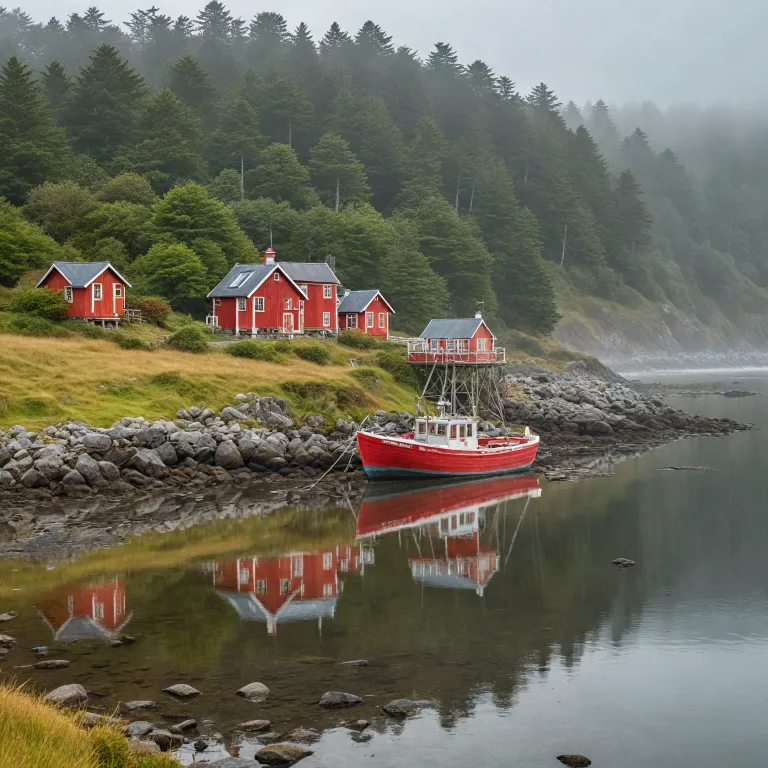
Architecture is one of the strongest threads connecting luxury hospitality with the heritage of Chiloé Island. The island’s famous stilt houses, or palafitos, line the shores of Castro and other coastal towns, their wooden facades reflecting in the sea at high tide. Several premium hotels reinterpret this stilt house tradition with contemporary materials and generous glazing, offering guests a direct connection to the tidal rhythms of the coast.
Visit the UNESCO-listed wooden churches to appreciate unique architecture. These wooden churches, many built with local timber and traditional woodworking tools, stand in small towns across Isla Grande and the wider Chiloé archipelago. A thoughtful hotel concierge can arrange private visits to churches that are less frequented by tour groups, allowing guests to appreciate the craftsmanship and the role of Jesuit priests in shaping the island’s spiritual landscape.
Castro Chiloé remains the cultural and logistical heart of the island, with its market, port, and growing range of hotel options. From here, travelers can explore nearby towns, cross the chacao channel on day trips, or continue toward Puerto Montt and the chilean lake region. The interplay between the main town and the surrounding villages gives visitors a layered understanding of how chilote communities balance tradition and modern tourism.
Beyond Castro, smaller settlements along the coast and within the forests offer a quieter atmosphere that appeals to privacy seeking guests. Some premium properties occupy restored wooden houses or newly built lodges that echo the forms of traditional chilote architecture without copying them. In these settings, the view over the sea, the sound of rain on timber, and the proximity to heritage sites combine to create a sense of place that is difficult to replicate elsewhere in Chile or south America.
Culinary journeys, local partnerships, and responsible luxury
Cuisine is central to the way luxury and premium hotels on Chiloé Island express their connection to place. The island is renowned for its native potato varieties, fresh seafood, and agricultural traditions that have sustained Chilotes for generations. Experience local cuisine, especially the traditional curanto dish.
Many hotel restaurants work closely with local farmers, fishers, and foragers to design menus that reflect the seasons and the surrounding sea and forests. This approach supports the island’s economy while giving guests a tangible sense of chilote identity on every plate. Growing interest in ecotourism and cultural tourism has encouraged properties to highlight provenance, from mussels harvested near the coast to vegetables grown in the fertile soils of the chilean lake district.
Engage with local communities to learn about Chilote folklore and traditions. Some hotels invite storytellers, musicians, or artisans from nearby towns to share their crafts and narratives with guests, turning an evening by the fireplace into a cultural encounter. These partnerships help ensure that tourism revenue circulates within the island’s communities, reinforcing the value of heritage and traditional knowledge.
Responsible luxury on Chiloé Island also involves attention to environmental impact, particularly in relation to the island’s flora fauna and fragile coastal ecosystems. Development of sustainable aquaculture practices and conservation of endemic species are increasingly important themes in regional planning. Hotels that align with these efforts, whether through energy efficiency, careful waste management, or support for conservation projects, appeal strongly to travelers who expect their stay in southern Chile to be both indulgent and ethical.
Planning a high-end itinerary across Chiloé and southern Chile
Designing a luxury journey that includes Chiloé Island requires attention to logistics, seasonality, and the interplay between different regions of southern Chile. Many travelers begin in Santiago, then fly to Puerto Montt before continuing by road and ferry across the chacao channel to Isla Grande. Others may arrive from the south, linking a circuit that includes Punta Arenas, Torres del Paine, and the wider chilean lake district.
How can one reach Chiloé Island? Chiloé Island can be accessed by ferry across the Chacao Channel or by flights to the airport in Castro. Once on the island, distances between Castro, coastal towns, and national park areas are moderate, making it easy to combine several experiences within a three or four night stay. A premium hotel can coordinate private transfers, guided excursions, and restaurant reservations, allowing guests to focus on the landscape rather than logistics.
What are the main economic activities on Chiloé Island? The main economic activities include agriculture (notably potato farming), fishing, aquaculture (especially salmon farming), and timber production. Understanding this economic context helps travelers appreciate how tourism fits into the broader life of the island. When a hotel sources salmon from local aquaculture or timber from responsible forestry, it participates in a regional story that extends beyond hospitality.
For those combining multiple destinations in south America, Chiloé Island offers a complementary contrast to the glaciers and peaks of Patagonia or the vineyards of central Chile. Time on island Chiloé can serve as a gentle finale to a demanding trekking itinerary in Torres del Paine, or as a contemplative interlude between urban stays. With careful planning, travelers can enjoy the best of the chilean lake region, the heritage of the Chiloé archipelago, and the dramatic landscapes further south, all while staying in hotels that prioritize authenticity, comfort, and a strong sense of place.
Key statistics about Chiloé Island and its heritage
- Area of Chiloé Island : 8 394 km², making it the largest island of the Chiloé archipelago in southern Chile.
- Population of Chiloé Island : approximately 154 775 people, concentrated mainly around Castro and other coastal towns.
- Number of native potato varieties cultivated on Chiloé Island : around 400 distinct varieties, reflecting the island’s rich agricultural heritage.
Essential questions for planning a stay on Chiloé Island
What is Chiloé Island known for?
Chiloé Island is renowned for its unique culture, distinctive wooden architecture, rich folklore, and diverse ecosystems. Travelers encounter wooden churches recognized as UNESCO heritage, traditional stilt houses along the coast, and a strong chilote identity expressed through cuisine and storytelling. This combination of cultural depth and natural beauty makes the island a compelling counterpart to other regions of southern Chile.
How can one reach Chiloé Island?
Most visitors travel via Puerto Montt in the chilean lake district, then continue by road and ferry across the chacao channel to Isla Grande. Alternatively, flights connect directly to the airport near Castro Chiloé, reducing travel time for those on tighter itineraries. Premium hotels often arrange private transfers from Puerto Montt or the ferry terminals, ensuring a seamless arrival on the island.
What are the main economic activities on Chiloé Island?
The economy of Chiloé Island rests on agriculture, particularly the cultivation of numerous native potato varieties, alongside fishing and aquaculture focused on salmon farming. Timber production and woodworking traditions support both construction and the maintenance of the island’s wooden churches and houses. Tourism, especially in the luxury and premium segments, now complements these sectors, creating new opportunities for local communities while highlighting the island’s cultural and environmental heritage.