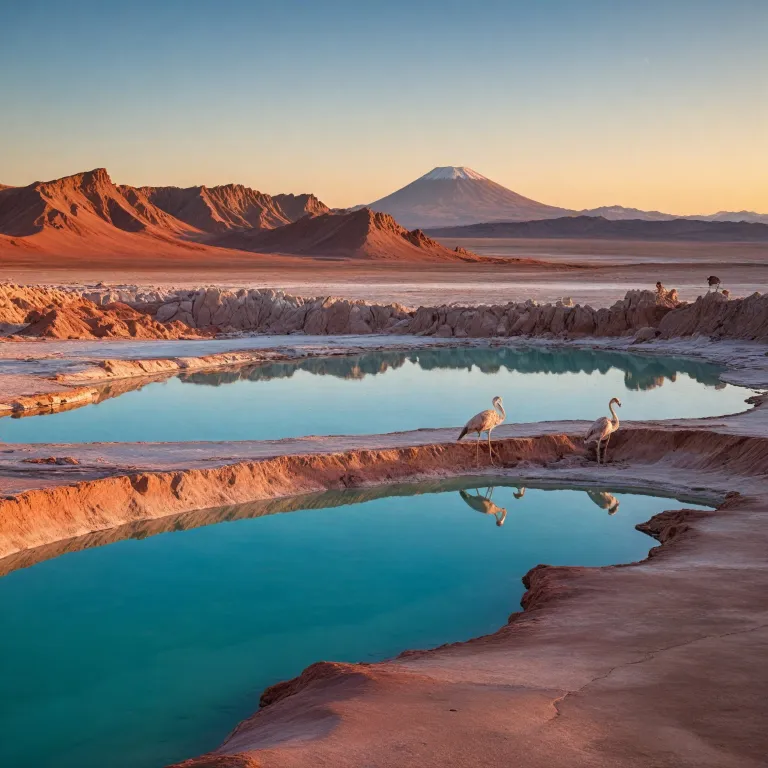
Understanding where the Atacama Desert is in northern Chile
Travellers asking where is the Atacama Desert are usually planning a refined journey through northern Chile. The desert stretches for about 1 000 km along the Pacific coast of South America, forming a cool arid ecoregion between the Pacific Ocean and the Andes. This long strip of desert in Chile lies mainly in northern Chile, with the city of Antofagasta near its coastal heart and the border with Peru and Bolivia shaping its northern limits.
Geographically, the Atacama Desert occupies a narrow corridor between low coastal ranges and a higher inland cordillera, which helps explain why it is often called the driest desert on Earth. This unique position along the Pacific coast blocks moist air from the ocean while the Andes prevent humidity from the Amazon, creating an arid climate that defines both the landscape and the way people live Atacama. When you look at a map of South America, you will see this desert Chile band hugging the Pacific coast from near Peru down into northern Chile, with Argentina Chile lying just over the high passes to the east.
For luxury travellers, understanding exactly where is the Atacama Desert helps with planning flight connections, transfers, and multi country itineraries across South American highlights. Most premium stays cluster around San Pedro, the oasis town officially called San Pedro de Atacama, which sits on the edge of the Salar de Atacama salt flat. This location places you within easy reach of national park landscapes, high altitude lagoons, and the mining heritage that shaped modern Chile Atacama communities.
The unique character of the Atacama Desert and its extreme climate
Knowing where is the Atacama Desert also means understanding why its climate feels so otherworldly. The region is framed by the cold Humboldt Current along the Pacific Ocean and the towering Andes to the east, creating a meteorological anomaly that keeps the air dry and cool. This combination makes the Atacama Desert one of the driest deserts on Earth, with some weather stations in northern Chile recording virtually no rainfall over long periods.
According to scientific research, “The Atacama Desert is considered one of the driest places on Earth due to its location between low coastal mountains and a higher inland range, creating a meteorological anomaly that results in minimal rainfall.” This extreme arid climate shapes every aspect of life Atacama, from the way luxury properties manage water to how excursions are timed for safety and comfort. Average annual rainfall in the core ecoregion is around 15 mm, and some parts of this desert Chile landscape can go years without measurable precipitation.
Despite this, the Atacama Desert supports resilient species that have adapted to the harsh environment, including hardy shrubs, cacti, and animals such as the vicuña and specialised rodents like the eared mouse and the Darwin leaf eared mouse. These species thrive in pockets where fog or underground moisture offers just enough water for life, especially near the Pacific coast and higher Andean valleys. When you stay in premium properties around San Pedro or the Salar de Atacama, guided excursions often highlight how these species survive in such an arid South American environment.
Cultural heritage from Atacameño roots to modern mining wealth
Understanding where is the Atacama Desert also involves appreciating the cultures that shaped this arid region of northern Chile. Long before modern travellers arrived, the Atacameño people developed sophisticated ways to live Atacama, using oases and highland valleys to farm and trade across South America. Along the coastal deserts to the north, the Chinchorro culture flourished, leaving behind some of the world’s earliest known mummification practices that still fascinate archaeologists today.
As you travel through desert Chile, especially near Antofagasta and other coastal hubs, you will notice how mining has transformed both the economy and the landscape. Rich nitrate deposits once made this part of northern Chile strategically important, and the War of the Pacific shifted control of the Atacama Desert to Chile, reshaping borders with Peru and Bolivia. Today, copper and lithium mining continue to drive development in Chile Atacama, while luxury hotels balance guest comfort with responsible engagement in a region where earth, water, and culture are tightly interlinked.
Premium properties around San Pedro and the Salar de Atacama often weave this history into curated excursions that connect guests with Atacameño communities and archaeological sites. You might visit restored mining towns on the Pacific coast, explore museums that explain how nitrate deposits changed South American trade, or join guided walks that highlight ancient petroglyphs. For travellers who care about authenticity, choosing a hotel that respects Atacameño heritage and supports local guides is as important as the spa menu or the wine list.
San Pedro de Atacama as the luxury gateway to the desert
When travellers ask where is the Atacama Desert in relation to luxury stays, the answer usually leads to San Pedro de Atacama. This oasis town, often shortened to San Pedro, sits on a plateau in northern Chile near the edge of the Salar de Atacama, the country’s largest salt flat. From here, you can reach lunar valleys, high altitude lagoons, and national park reserves that showcase the most dramatic faces of this desert Atacama landscape.
San Pedro de Atacama has become the main hub for premium and luxury hotels in desert Chile, offering refined comfort in the heart of one of the driest deserts on Earth. Properties here typically provide private transfers from Calama airport, expert guides, and tailored itineraries that balance adventure with rest, which is essential in such an arid ecoregion. Many hotels also integrate sustainable design, using local stone and earth tones that echo the surrounding deserts while minimising impact on scarce water resources.
From San Pedro, guests can explore the Pacific coast on longer excursions, crossing the desert Atacama corridor towards Antofagasta to understand how the coastal climate contrasts with the inland plateau. Others choose cross border journeys that link Chile Atacama with Argentina Chile wine regions, using San Pedro as a starting point for wider South American itineraries. Whether you are interested in astronomy, geology, or culture, this oasis town offers a sophisticated base that makes where is the Atacama Desert feel both remote and surprisingly accessible.
Nature, wildlife, and astronomy in the Atacama Desert
Travellers who learn where is the Atacama Desert are often drawn by its reputation for stark beauty and clear skies. The combination of high altitude, dry air, and minimal light pollution makes this desert Chile region one of the world’s premier destinations for stargazing. Luxury hotels in northern Chile frequently include night sky sessions with powerful telescopes, allowing guests to appreciate how this corner of South America offers a window into the universe.
Despite being the driest desert in many areas, the Atacama Desert hosts surprising pockets of life, especially around oases, high lagoons, and the Salar de Atacama. “Despite its aridity, the Atacama Desert hosts specialized flora and fauna adapted to extreme conditions, including certain cacti, shrubs, and animals like the Vicuña and various lizard species.” In some valleys, you may also encounter small mammals such as the eared mouse and the Darwin leaf eared mouse, which have evolved to survive in this arid ecoregion where water is scarce and temperatures fluctuate sharply.
National park areas and protected reserves across Chile Atacama safeguard these fragile species and landscapes, from flamingo filled lagoons to wind sculpted rock formations that rise from the earth like sculptures. Guided excursions from San Pedro or coastal hubs along the Pacific coast often include sunrise visits to geyser fields, sunset walks in desert canyons, and photography sessions under the Milky Way. Understanding where is the Atacama Desert helps you appreciate how such a harsh environment can support both delicate life and unforgettable luxury experiences.
Planning a luxury stay in the Atacama Desert and wider Chile
Once you understand where is the Atacama Desert on the map of South America, you can start planning how it fits into a broader Chile itinerary. Many travellers combine a stay in San Pedro de Atacama with time on the Pacific coast, perhaps near Antofagasta, to experience both the inland deserts and the maritime climate. Others design cross border journeys that link Chile Atacama with Argentina Chile wine valleys or Andean ski resorts, creating a varied South American escape.
When choosing a luxury hotel in desert Chile, consider how each property manages water, energy, and community relationships in this fragile ecoregion. The best addresses offer guided experiences that explain how people live Atacama, from Atacameño agricultural traditions to modern mining operations that still rely on nitrate deposits and other mineral wealth. They also provide practical guidance, reminding guests to carry sufficient water, respect altitude, and prepare for temperature swings that are typical of an arid climate.
For travellers who care about context, asking where is the Atacama Desert becomes a starting point for deeper understanding rather than a simple map query. You will see how the Pacific Ocean, the Andes, and the long Pacific coast corridor shape both the driest desert and the cultures that inhabit it. By choosing thoughtful luxury or premium hotels in northern Chile, especially around San Pedro and the Salar de Atacama, you support a style of travel that honours this remarkable corner of earth while enjoying refined comfort.
Key figures about the Atacama Desert
- Average annual rainfall in the core Atacama Desert : 15 mm.
- Approximate length of the Atacama Desert corridor in northern Chile : 1 000 km.
- Estimated total area of the Atacama Desert ecoregion : 105 000 km².
Questions travellers often ask about the Atacama Desert
Why is the Atacama Desert considered one of the driest places on Earth ?
The Atacama Desert is considered one of the driest places on Earth due to its location between low coastal mountains and a higher inland range, creating a meteorological anomaly that results in minimal rainfall. This double barrier blocks moisture from both the Pacific Ocean and the Amazon Basin, leaving the desert Chile corridor with extremely limited precipitation. As a result, some weather stations in northern Chile have recorded virtually no rain over extended periods.
What kinds of plants and animals live in the Atacama Desert ?
Despite its aridity, the Atacama Desert hosts specialized flora and fauna adapted to extreme conditions, including certain cacti, shrubs, and animals like the Vicuña and various lizard species. In addition to these, small mammals such as the eared mouse and the Darwin leaf eared mouse inhabit rocky areas and highland zones where microclimates offer slightly more moisture. These species cluster around oases, fog fed slopes, and high altitude wetlands, especially near the Salar de Atacama and Andean valleys.
How do people survive and live in the Atacama Desert ?
Inhabitants of the Atacama Desert rely on oases and coastal areas for water, and have developed unique agricultural and water conservation techniques to adapt to the arid environment. Traditional Atacameño communities use terraced fields, careful irrigation, and knowledge of seasonal flows to farm in this challenging ecoregion. Modern towns in northern Chile also depend on desalination plants along the Pacific coast and efficient infrastructure to support both residents and visitors.