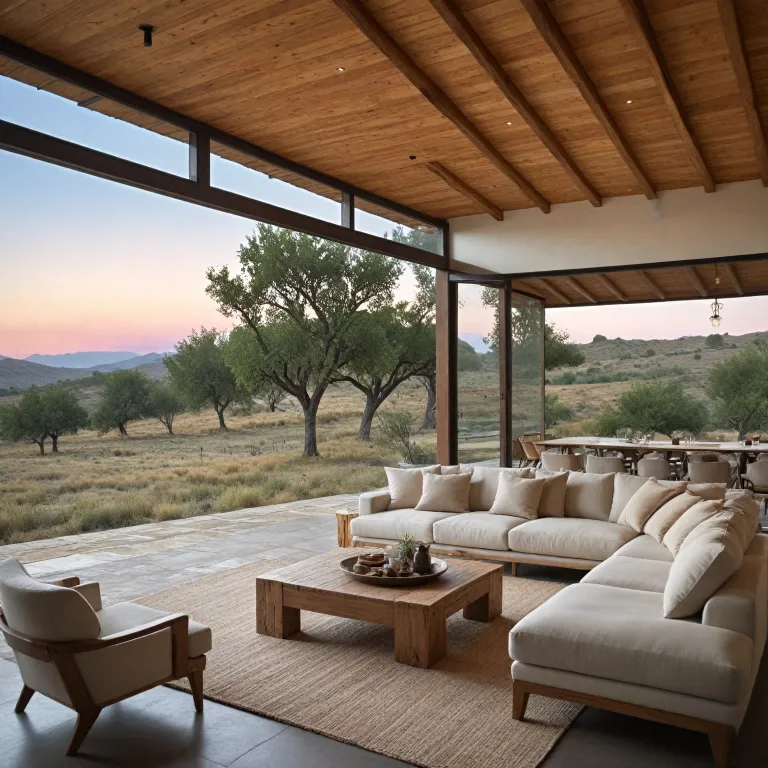
Rural elegance in the Chilean countryside for luxury seekers
The Chilean countryside stretches from the arid north to the glacier carved south, offering refined retreats framed by mountains and ocean. For travelers planning Chile travel with a focus on comfort, the contrast between the Atacama Desert and the green central valley shapes every decision about where to stay. Understanding how each Chile country region works in practice helps you match landscapes, culture, and service levels to your travel Chile expectations.
Chile is a long south american nation, with the andes mountains guarding its eastern border and the Pacific shaping its climate. Around 92 percent of the land is classified as predominantly rural, which means the chilean countryside is not a niche, but the backbone of the chile country experience. When you visit Chile, you move through a mosaic of valleys, vineyards, estancias, and coastal villages that define both daily life and high end hospitality.
Rural Chilean Population communities, supported by the Ministry of Agriculture and the National Statistics Institute (INE), have seen rural poverty fall significantly, which has encouraged investment in premium lodges and refined guesthouses. Approximately 36 percent of residents live in rural areas, so luxury properties often sit within living landscapes rather than isolated resorts. For guests, this means that the best stays in the chilean countryside combine polished service with authentic contact with local culture and spanish speaking hosts.
From the north south axis of the country, you can plan days that move from desert plateaus to fertile valleys and then to the fjords of patagonia. Each region offers different places visit options, whether you prefer the silence of the atacama desert or the wind swept plains near torres del Paine. The key is to align your time, budget, and comfort expectations with the realities of distance and climate in this elongated south america destination.
From the Atacama Desert to the central valley: where luxury meets landscape
In the far north of chile, the atacama region offers some of the most striking scenery in south america. The atacama desert around san pedro has become a reference point for high end stargazing lodges, where guests split their days between salt flats, geysers, and andes mountains viewpoints. These properties often include guided excursions, meaning your time is structured around sunrise and sunset in the desert rather than city schedules.
San pedro itself remains a small town, but it anchors many of the best itineraries in the chilean countryside. Here, luxury hotels coordinate multi day programs that link the atacama desert with high altitude lagoons and routes that eventually connect towards peru bolivia for overland explorers. When you travel chile in this region, you should plan at least three days to adjust to altitude and enjoy slower, more immersive experiences.
Moving south, the central valley forms the agricultural heart of chile south, with vineyards, orchards, and equestrian estates. This central valley is ideal for guests who want refined stays within easy reach of santiago, combining wine tastings, spa treatments, and gentle day trips into the surrounding hills. Many properties here focus on gastronomy, pairing local produce with wines that express the diversity of the country’s terroirs.
Because the chile countryside is so extensive, transfers between the north south extremes can take significant time. A smart strategy is to pair the atacama with the central valley or santiago rather than trying to reach patagonia in the same short trip. This approach allows you to appreciate the contrast between desert and vineyard landscapes while maintaining a relaxed rhythm and minimizing internal flight stress.
Patagonia, national parks, and refined wilderness stays
Further south, patagonia represents the wild edge of chile, where wind, ice, and mountains define the horizon. Luxury and premium properties here focus on proximity to each national park, especially the iconic torres del Paine area, rather than on urban convenience. Guests typically structure their days around guided hikes, wildlife watching, and scenic drives, returning each evening to fireplaces, tasting menus, and curated wine lists.
The andes mountains in patagonia are lower in latitude but dramatic in profile, with granite towers and glacial lakes that attract photographers and trekkers from across south america. When you visit Chile in this region, you should expect variable weather within a single day, from sun to rain and strong winds. Packing layers and planning flexible itineraries is essential, particularly if you want to experience the best viewpoints without rushing.
Puerto Montt often serves as a gateway to the south, linking the lake district with ferries and flights further into patagonia. From this chile south hub, travelers can reach islands, fjords, and remote estancias that showcase both chilean culture and contemporary comfort. Many places chile in this zone blend traditional wool, wood, and stone architecture with modern wellness facilities and refined dining.
Because distances in the chilean countryside are long, consider spending several days in a single patagonia lodge rather than changing hotels frequently. This allows you to explore multiple places visit within the same national park, including quieter valleys and lesser known trails. It also supports local employment in rural areas, reinforcing the positive trend of declining rural poverty and encouraging sustainable investment in high quality hospitality.
Islands, culture, and coastal retreats in the Chilean countryside
Beyond the mainland, islands play a central role in the identity of chile and its rural tourism. Chiloe in the south is known for wooden churches, palafito houses, and a misty atmosphere that feels distinct from the rest of the chile country. Luxury stays here often emphasize storytelling, with hosts explaining local myths, fishing traditions, and the evolution of chilean culture in this archipelago.
On Chiloe and nearby islands, guests can spend their days visiting markets, tasting seafood, and walking coastal trails that overlook the andes in the distance. Properties tend to be smaller and more intimate, integrating local crafts and textiles into their design while still offering high comfort standards. This combination of authenticity and elegance makes Chiloe one of the best places chile for travelers who value culture as much as scenery.
Far out in the Pacific, easter island offers a different facet of chile travel, with its moai statues and Polynesian heritage. While it belongs politically to chile, the island’s culture, language, and rituals differ from mainland spanish traditions, adding another layer to the chilean countryside narrative. Premium hotels here focus on guided excursions, astronomy, and wellness, allowing guests to balance exploration with rest.
Along the long north south coastline, smaller fishing villages and rural bays provide quieter alternatives to major resorts. Many of these coastal areas can be combined with stays in santiago or the central valley, creating itineraries that move from vineyard to ocean in a single day. For culinary focused travelers, this mix of inland and maritime experiences highlights why visit Chile remains compelling for those who value both landscape and gastronomy.
Designing a luxury itinerary across north and south Chile
Planning a refined journey through the chilean countryside requires careful attention to time, distance, and seasonality. Because chile stretches so far from north to south, internal flights often replace long road journeys, especially between the atacama desert, santiago, and patagonia. A balanced itinerary usually focuses on two or three regions, allowing several days in each to avoid constant packing and unpacking.
One classic route links the atacama around san pedro, the central valley vineyards, and the lake district near puerto montt. This combination showcases desert, wine country, and lakes framed by andes mountains, offering a strong overview of the chile south landscape. Another option pairs santiago with easter island and Chiloe, emphasizing culture, islands, and coastal traditions within a single chile travel plan.
When selecting properties, look for those that engage with local Rural Chilean Population communities and respect the environment. Many high end lodges now support conservation projects in each national park, from torres del Paine to reserves in the north south corridor of the andes. Asking about these initiatives during booking can help you choose places visit that align with your values as well as your comfort expectations.
For travelers interested in gastronomy, this guide to Santiago Chile food experiences for luxury travelers seeking refined stays can complement rural stays with urban fine dining. Combining city and countryside allows you to experience both contemporary chilean cuisine and traditional dishes rooted in the chile countryside. Over several days, this mix of settings creates a nuanced understanding of how culture, landscape, and hospitality intersect across south america.
Practical booking strategies for premium stays in the Chilean countryside
Securing the best luxury and premium stays in the chilean countryside starts with clarity about your priorities. Decide whether your focus is on the atacama desert, patagonia, islands like Chiloe and easter island, or the central valley wine country. Once you know which places chile matter most, you can allocate days and budget accordingly, avoiding rushed one night stops.
In remote areas such as torres del Paine or the high andes mountains, many properties operate on a full board basis with guided excursions. This structure simplifies logistics, as your day is planned around weather, trail conditions, and wildlife sightings rather than fixed timetables. However, it also means that availability can be tight, so booking several months in advance is advisable, especially for peak south american holiday periods.
For regions closer to santiago and puerto montt, you may find more flexible options, from vineyard estates to coastal lodges. Here, you can design your own days, combining self drive exploration of the chile countryside with curated tastings and spa sessions. In all cases, check transfer times carefully, as the north south distances in chile can turn a seemingly short hop into a half day journey.
Language is another consideration, since spanish is the primary language across rural chile south communities. Many premium properties have multilingual staff, but interacting with local residents in even basic spanish can deepen your understanding of chilean culture. Ultimately, thoughtful planning, realistic time frames, and respect for local rhythms will help you visit Chile in a way that feels both indulgent and responsible.
Key statistics about rural Chile and expert insights
According to the OECD, 92% of Chile's land area is classified as predominantly rural. Approximately 36% of Chile's population resides in rural areas, as per OECD data. Rural Chile's economy is primarily based on agriculture, livestock farming, and mining.
- Percentage of Chile's land area classified as predominantly rural : 92 %.
- Percentage of Chile's population living in rural areas : 36 %.
- Rural poverty population in recent data : 372 419 persons.
Essential questions for planning luxury stays in the Chilean countryside
What percentage of Chile's land area is considered rural ?
According to the OECD, 92% of Chile's land area is classified as predominantly rural. For travelers, this means that the chilean countryside is not limited to a few isolated regions, but extends across almost the entire length of the country. When you plan chile travel, you are almost always moving through rural zones, whether you are in the atacama desert, the central valley, or patagonia.
How many people live in rural areas of Chile ?
Approximately 36% of Chile's population resides in rural areas, as per OECD data. This significant share of the Rural Chilean Population ensures that the chile countryside remains a living, working environment rather than a purely touristic backdrop. Luxury and premium properties therefore coexist with farms, vineyards, and fishing communities, offering guests a more grounded experience of chilean culture.
What are the main economic activities in rural Chile ?
Rural Chile's economy is primarily based on agriculture, livestock farming, and mining. These activities shape the landscapes you see when you visit Chile, from vineyards in the central valley to sheep farms in patagonia and copper operations in the north. Understanding this economic context can enrich your appreciation of the places visit on your itinerary, especially when lodges collaborate with local producers and artisans.