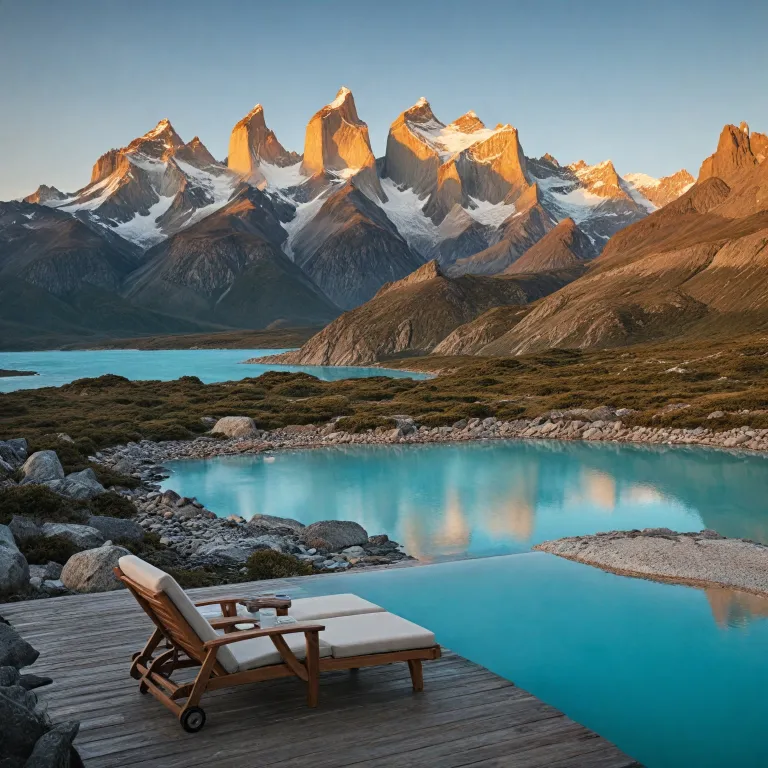
Patagonia Chile vs Argentina for luxury stays in wild landscapes
Patagonia stretches across both Argentina and Chile, yet each side offers a distinct mood for luxury travel. The argentine side of Patagonia covers a far larger territory, while the chilean side of Patagonia feels more intimate, fjord carved, and ocean facing. Understanding these contrasts is essential before you commit to a premium hotel booking for a once in a lifetime trip.
On the argentine side, wide skies, steppe, and glacier lakes define the region, especially around El Calafate, El Chaltén, Bariloche, and the lake district. In chilean Patagonia, the drama intensifies around Torres del Paine National Park, the labyrinth of channels near Puerto Natales, and the windswept coast around Punta Arenas. Both argentina and chile share Tierra del Fuego at the southern tip of south america, where the sense of remoteness shapes every travel decision.
Luxury and premium hotels respond differently to these landscapes on each side of Patagonia. In argentine Patagonia, many high end properties focus on lake views, spa facilities, and easy access to Perito Moreno Glacier or Fitz Roy. On the chilean side, lodges often integrate guided hiking, horseback riding, and navigation into all inclusive programs that explore Torres del Paine and nearby national parks.
When comparing Patagonia Chile vs Argentina, travellers should weigh access, comfort, and style of service. Argentina chile flight connections often route through Buenos Aires or Santiago, then continue to hubs such as El Calafate, Bariloche, or Punta Arenas. Your preferred balance between wilderness immersion and refined amenities will guide whether the chilean Patagonia or argentinian Patagonia side suits you best.
Luxury hotel styles in chilean Patagonia and argentine Patagonia
In chilean Patagonia, luxury hotels tend to be intimate lodges that frame the famous Torres del Paine massif through vast windows. Many of these properties sit within or just outside Torres del Paine National Park, offering direct access to the park trailheads and guided hiking. Their architecture often uses local stone and wood, echoing the national park landscape while maintaining discreet comfort.
On the argentine side of Patagonia, premium hotels around El Calafate and El Chaltén often resemble alpine retreats with strong spa and wellness programs. Guests combine day trips to Perito Moreno Glacier or Fitz Roy with evenings in heated pools, wine tastings, and refined argentine cuisine. Around Bariloche and the lake district, lakeside resorts add sailing, kayaking, and winter sports to the traditional hiking and horseback riding options.
For travellers comparing Patagonia Chile vs Argentina, the service model is another key distinction. Many chilean lodges near Puerto Natales or along the Carretera Austral operate on an all inclusive basis, bundling transfers, excursions, and meals into one rate. In contrast, argentine Patagonia hotels more often sell rooms and suites separately, leaving guests to book national park excursions à la carte.
Those seeking highly curated experiences should look at unique luxury stays in Chile that highlight chilean hospitality and design. These properties frequently partner with expert guides for hiking, horseback riding, and wildlife watching across chilean national parks. When you compare offers on each side Patagonia wide, consider whether you prefer structured itineraries or flexible, independent travel days.
Iconic landscapes and signature experiences on each side
Landscape is often the deciding factor when weighing Patagonia Chile vs Argentina for a luxury holiday. The chilean side is dominated by Torres del Paine, where granite towers, turquoise lakes, and condor filled skies create one of south america’s most famous panoramas. Many travellers choose a premium lodge here specifically to wake up facing the Torres del Paine peaks each morning.
On the argentine side, El Calafate serves as the gateway to Los Glaciares National Park and the immense Perito Moreno Glacier. Further north, El Chaltén sits beneath Fitz Roy, a magnet for hiking enthusiasts who still appreciate returning to comfortable hotels after long days on the trail. Bariloche and the surrounding lake district offer gentler scenery, with forested hills, deep lakes, and a strong focus on gourmet food and wine.
In chilean Patagonia, fjords and channels invite navigation trips from Puerto Natales or Punta Arenas, sometimes extending towards Tierra del Fuego and the remote del Fuego archipelagos. Along the Carretera Austral, elevated lodges overlook rivers and forests, ideal for slow travel and privacy; an in depth look at Caleta Tortel and similar destinations appears in this guide to elevated stays and slow travel in chilean Patagonia. These chilean side experiences contrast with the more open steppe and glacier dominated vistas of argentinian Patagonia.
For many guests, the best trip balances both argentina and chile within a single itinerary. You might combine Torres del Paine National Park on the chilean side with El Calafate and El Chaltén on the argentine side. This cross border approach allows you to compare national parks, hotel styles, and guiding standards across the entire region.
Planning logistics, access, and cross border itineraries
Logistics play a central role when deciding between Patagonia Chile vs Argentina for a luxury stay. Most international travellers arrive in south america via Santiago in chile or Buenos Aires in argentina, then connect to regional airports. Key gateways include El Calafate and Bariloche on the argentine side, and Punta Arenas or Puerto Natales on the chilean side.
From Punta Arenas, many guests continue by road to Puerto Natales and onwards to Torres del Paine National Park, where high end lodges coordinate transfers. On the argentine side, El Calafate provides access to Perito Moreno and overland routes towards El Chaltén, while Bariloche anchors the northern lake district. Cross border routes between argentina chile segments often involve scenic drives, border posts, and occasional domestic flights to link national parks efficiently.
Travellers planning a combined argentina chile itinerary should consider seasonality, as weather affects both hiking conditions and transport reliability. In chilean Patagonia, strong winds around Torres del Paine and along the Carretera Austral can influence daily excursion plans. On the argentine side, long distances between towns in argentinian Patagonia require careful timing, especially if you wish to include Tierra del Fuego or del Fuego cruises.
Premium travel planners and hotel concierges on each side Patagonia wide are accustomed to arranging cross border logistics. Many luxury lodges in chilean Patagonia coordinate transfers to or from El Calafate, allowing guests to experience both Torres del Paine and Los Glaciares National Park. When comparing offers, ask how each property handles border formalities, luggage transfers, and timing between national parks.
Activities, wellness, and soft adventure for luxury travellers
Activities in Patagonia Chile vs Argentina share common themes, yet the emphasis differs subtly between each side. In chilean Patagonia, guided hiking in Torres del Paine, navigation on glacial lakes, and wildlife watching dominate lodge programs. Many properties near Puerto Natales or along the Carretera Austral also offer horseback riding, fly fishing, and photography outings tailored to different fitness levels.
On the argentine side, El Chaltén is widely regarded as the hiking capital of argentine Patagonia, with trails towards Fitz Roy and surrounding valleys. El Calafate focuses on glacier experiences, from boat trips near Perito Moreno to ice trekking, while still offering comfortable hotels and spa facilities. Around Bariloche and the lake district, guests can combine hiking, sailing, and gourmet experiences, making this region ideal for travellers who prefer softer adventure.
Wellness is increasingly central to luxury stays on both sides of Patagonia. Many chilean lodges integrate hot tubs, saunas, and wellness rituals that frame views of Torres del Paine or nearby national parks. In argentinian Patagonia, spa programs often highlight local ingredients and argentine wines, creating a sense of place after long days outdoors.
When comparing argentina chile options, consider how each property balances activity and rest. Some chilean side lodges in chilean Patagonia schedule full day excursions every day, while certain argentine hotels allow more unstructured time. The best trip for you will align the pace of hiking, horseback riding, and relaxation with your expectations for a premium stay in south america.
How to choose the right side of Patagonia for your stay
Choosing between Patagonia Chile vs Argentina ultimately depends on your priorities for scenery, style, and service. Travellers who dream of waking to the famous Torres del Paine skyline, exploring fjords, and staying in design forward lodges often gravitate to the chilean side. Those who imagine vast steppe, the thunder of Perito Moreno, and long hikes beneath Fitz Roy may prefer argentinian Patagonia.
Budget and value also influence the decision between argentina and chile for a luxury holiday. All inclusive lodges in chilean Patagonia can appear more expensive at first glance, yet they often include transfers, excursions, and fine dining. In contrast, hotels on the argentine side may have lower nightly rates, but activities in national parks, transfers, and guides add up over a multi day trip.
Cultural nuances further shape the experience on each side Patagonia wide. Argentine hospitality often highlights wine, asado, and a relaxed evening rhythm, especially in Bariloche and the lake district. Chilean hosts in Puerto Natales, Punta Arenas, and along the Carretera Austral tend to emphasize maritime heritage, pisco based cocktails, and stories of Tierra del Fuego and del Fuego explorers.
Many travellers resolve the Patagonia Chile vs Argentina question by planning a combined itinerary that samples both chilean Patagonia and argentine Patagonia. This approach allows you to compare national parks, hotel standards, and guiding quality across south america’s most celebrated wilderness. “Patagonia is a sparsely populated region at the southern end of South America, shared by Argentina and Chile.”
Key statistics for understanding Patagonia’s geography
- Approximately 90 % of the Patagonian region lies within argentina, spanning provinces such as Neuquén, Río Negro, Chubut, Santa Cruz, and Tierra del Fuego.
- Roughly 10 % of Patagonia belongs to chile, primarily within the Aysén and Magallanes regions, which include chilean Patagonia icons like Torres del Paine National Park.
- Major attractions on the argentine side include Perito Moreno Glacier, Fitz Roy near El Chaltén, Bariloche, and the wider lake district.
- On the chilean side, Torres del Paine National Park stands out as the most famous protected area, complemented by fjords, channels, and sections of the Carretera Austral.
Frequently asked questions about Patagonia Chile vs Argentina
Which provinces in Argentina are part of Patagonia ?
The argentine portion of Patagonia includes the provinces of Neuquén, Río Negro, Chubut, Santa Cruz, and Tierra del Fuego. These areas together form the bulk of argentinian Patagonia, from the lake district around Bariloche to the southern tip near del Fuego. When planning a trip, most luxury travellers focus on Bariloche, El Calafate, and El Chaltén within these provinces.
Which regions in Chile are part of Patagonia ?
In chile, Patagonia is mainly contained within the Aysén and Magallanes regions, which together represent chilean Patagonia. These regions host highlights such as Torres del Paine National Park, Puerto Natales, Punta Arenas, and stretches of the Carretera Austral. Many premium lodges in these areas serve as bases for hiking, navigation, and wildlife watching across multiple national parks.
What are some notable features in Chilean and Argentine Patagonia ?
On the argentine side, notable features include Perito Moreno Glacier near El Calafate, Fitz Roy above El Chaltén, Bariloche, and the wider lake district. In chilean Patagonia, Torres del Paine National Park is the most famous landmark, complemented by fjords, channels, and remote areas near Tierra del Fuego. Together, these attractions make both argentina and chile compelling choices for a high end journey across south america’s southern frontier.
References :
https://en.wikipedia.org/wiki/Patagonia
https://www.argentina.gob.ar
https://chile.travel