From Santiago to Patagonia: why architecture matters when you book
Chile stretches over 4 200 km, so a single hotel style could never work everywhere. In this long country, chile hotel design architecture luxury thinking starts with geography, because the buildings must negotiate wind, light, and seismic forces before they frame any views. When you compare hotels in santiago chile with lodges in Patagonia or the Atacama Desert, you are really comparing different architectural responses to the same dramatic spine of South America.
In the capital, a modern hotel in central Santiago often rises as a vertical glass volume, while a remote lodge near a national park usually spreads horizontally to hug the terrain. This contrast shapes everything from the size of your room to how you move between the living area, the bathroom, and any private terrace or balcony with a view. When you plan where to stay, it helps to think less about a generic luxury suite and more about how each place uses concrete, copper, and Corten steel to mediate between shelter and exposure.
Couples flying into Santiago Chile for a few nights might choose a design forward hotel santiago property with quick access to restaurants and chilean wine bars. Later, the same travelers may head south to a Patagonia lodge near Torres del Paine National Park, where the architecture must withstand horizontal rain yet still deliver a cinematic view from every double room. Understanding this spectrum of chile hotel design architecture luxury will help you decide whether your next place to stay should be a compact city hotel or a low slung lodge that almost disappears into the landscape.
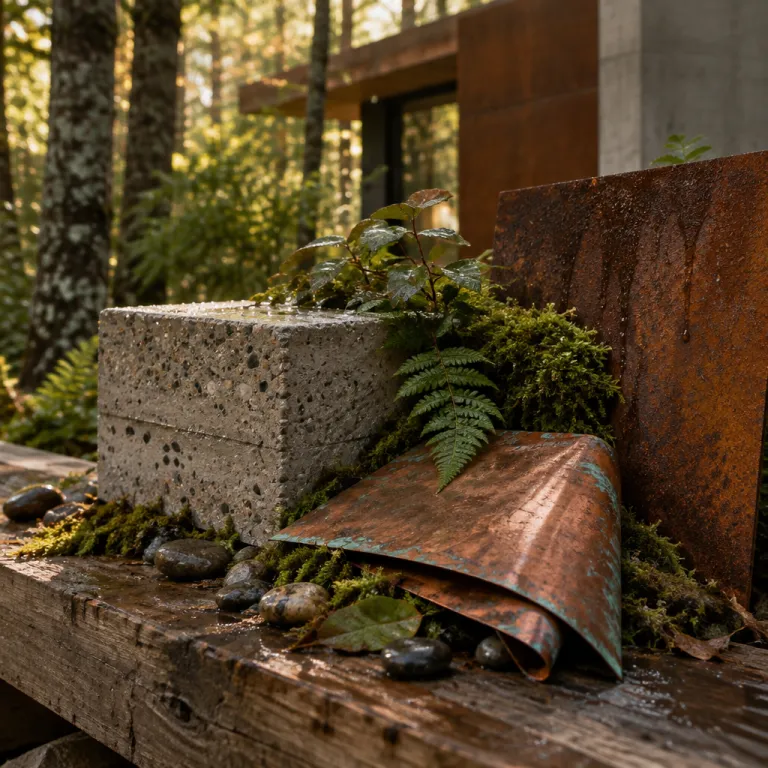
Concrete, copper, and Corten steel: the Chilean material palette
Across Chile, architects lean on a tight palette of concrete, native wood, volcanic stone, copper, and weathering Corten steel to shape hotels that feel rooted rather than imported. These materials are not just aesthetic choices ; they are structural answers to salt laden Pacific air, desert dust, and the fierce Patagonian wind that can slam into any exposed lodge. When you evaluate chile hotel design architecture luxury options, look closely at how each property uses these materials to balance durability, warmth, and unobstructed views.
In Santiago, a hotel like Hotel Magnolia wraps a historic façade around a modern glass and concrete core, creating rooms where original details sit beside contemporary design and carefully framed city views. The same material language appears in remote properties, but with different priorities, as seen in projects on Chiloé Island whose timber structures echo the region’s famous wooden churches and stilted palafitos ; for a deeper architectural context, read about how Chiloé’s wooden churches became UNESCO’s most photogenic secret. Whether you are booking a superior suite in the city or a compact double room in the south, the tactile feel of concrete underfoot and warm wood overhead will shape your sense of place.
Further north, in the Atacama Desert, properties such as Alto Atacama use adobe toned concrete and stone to blend into the ochre hills, while copper details catch the high altitude light without overwhelming the view. This approach to chile hotel design architecture luxury ensures that the hotel becomes a subtle frame for the Atacama Desert rather than a visual interruption, especially in rooms where floor to ceiling glass opens onto private terraces. When you shortlist hotels, ask how the living area, bedroom, and any hotel spa spaces use these materials, because a well considered palette often signals a thoughtful overall design.
Walls of glass in extreme landscapes: Atacama, Patagonia, and beyond
Transparency is the quiet obsession of many architects working in Chile’s extreme landscapes, and it shows in the way lodges choreograph every view. In the Atacama Desert, Tierra Atacama is a benchmark for chile hotel design architecture luxury, with 28 rooms that use what the team calls “walls of glass” to frame the desert and volcanoes like a moving artwork. Those glass panes are not just about spectacle ; they are carefully oriented to manage solar gain, wind, and privacy while still letting you wake to a horizon line of ochre and blue.
At Alto Atacama, the design tucks the lodge into a natural ravine, so your room feels sheltered even as large windows open toward the Cordillera de la Sal and the vast Atacama Desert sky. Couples can sit in the living area of a superior suite or a smaller double room and watch the light shift without feeling exposed to the high altitude chill. When you compare hotels here, pay attention to whether the view hotel concept extends to the bathroom, the terrace, and any shared lounge, because the best properties treat every step as a new vantage point.
Far south in Patagonia, lodges near Torres del Paine National Park and the wider Paine National Reserve face different challenges, with winds that can rattle poorly detailed façades and obscure even the best views. Architects respond with low profiles, robust Corten steel cladding, and carefully recessed glazing that still allows you to sit in your suite and watch the Torres del Paine massif shift from pink to indigo. If you are planning a place to stay near del Paine, ask how the hotel handles storms and whether the living area remains comfortable when the weather turns, because chile hotel design architecture luxury here is as much about resilience as romance.
From Santiago towers to Rapa Nui lodges: modernism with a local accent
Chile’s contemporary hotels sit in a long lineage of Chilean modernism, shaped by seismic engineering, narrow sites, and a culture that values both restraint and experimentation. In Santiago, many hotels rise as slim towers that use concrete frames and glass skins, a typology refined by generations of architects who learned to work with tight urban plots and strict building codes. When you book a hotel in central Santiago Chile, you are often stepping into this tradition, whether you choose a discreet business focused hotel santiago property or a more expressive design led address.
Hotel Magnolia is a good example of how chile hotel design architecture luxury can reinterpret heritage, with a restored mansion shell wrapped around a contemporary interior of steel, glass, and patterned stone. Rooms here feel like urban cocoons, with a living area that borrows light from internal courtyards and a bedroom that looks toward the city’s rooftops rather than a single postcard view. Couples who value architecture will appreciate how the superior suite layouts use sliding panels and layered textures to create intimacy without sacrificing a sense of volume.
Far offshore on Easter Island, or Rapa Nui, lodges must respond to a different context, where Polynesian culture, volcanic rock, and strict environmental rules shape every design decision. Properties here often use low slung forms, deep overhangs, and natural materials to ensure that each room opens to the Pacific while remaining protected from sudden squalls. When you compare chile hotel design architecture luxury between Rapa Nui, Santiago, and Patagonia, you will notice a shared modernist clarity in the plans, but the details, materials, and views shift dramatically from place to place.
How to choose your place to stay: reading the architecture like an insider
For couples planning a trip across Chile, architecture can be a practical filter rather than just a visual bonus. Start by deciding how much time you want to spend in your room and living area, because chile hotel design architecture luxury varies from compact city rooms to expansive suites with fireplaces and private hot tubs. If you plan long afternoons indoors with a bottle of Chilean wine, prioritize hotels where the layout, orientation, and materials make the interior as compelling as the view.
In Santiago, look for a hotel spa that is integrated into the overall design rather than hidden in a basement, since natural light and views can transform a simple massage into a memorable ritual. Properties that offer early check in and late checkout often understand the rhythms of long haul travel, and their architecture usually supports this with quiet lounges, shaded terraces, and flexible living areas. When you browse options on mychilestay.com, pay attention to how each listing describes the relationship between the room, the landscape, and shared spaces, because this is where chile hotel design architecture luxury becomes tangible.
Out in the regions, a lodge near a national park or along the Diaguita cultural corridor in Norte Chico may use stone walls and deep window reveals to frame both art and scenery ; for a cultural angle, see the guide to following pre Columbian art through Chile’s Norte Chico. In Patagonia, a view hotel facing Torres del Paine might prioritize panoramic glazing, while in the Atacama Desert a more introverted design could focus on courtyards and sheltered patios. Across Chile, the best hotels and lodges share one principle : the architecture should work as hard as the landscape to create a sense of luxury that feels specific to this long, elemental country.
FAQ
How does Chile’s climate influence hotel architecture for luxury travelers ?
Chile’s extreme climate zones push architects to design hotels that can handle intense sun in the Atacama Desert, heavy rain in the south, and seismic activity along the whole country. This leads to robust concrete and steel structures, deep overhangs, and carefully oriented glazing that protects guests while still offering strong views. For luxury travelers, the result is chile hotel design architecture luxury that feels both dramatic and reassuringly solid.
What should couples look for in a room layout when booking in Patagonia ?
In Patagonia, prioritize rooms and suites that separate the sleeping area from the main living area, so one partner can read or enjoy the view while the other rests. Look for lodges that place seating directly by large windows, since weather can change quickly and you may spend more time indoors than planned. A well designed place to stay near Torres del Paine National Park will make the interior experience as rewarding as any hike.
Are glass heavy lodges in the Atacama Desert comfortable year round ?
Well designed Atacama lodges use high performance glazing, shading devices, and natural ventilation to keep glass walled rooms comfortable despite big temperature swings. Properties such as Tierra Atacama and Alto Atacama orient their buildings to capture light while avoiding excessive heat gain, often combining thick walls with carefully sized windows. When you book, ask how the hotel manages insulation and cooling, because chile hotel design architecture luxury in the desert depends on these technical details.
How important is a hotel’s material palette for the overall experience ?
The choice of materials shapes everything from acoustics to thermal comfort, so it directly affects how you feel in a room. Concrete and stone provide stability and a sense of permanence, while native wood and copper add warmth and local character. In Chile, the most memorable hotels use these materials to echo the surrounding landscape, turning each suite or double room into a quiet extension of the terrain outside.
Is it worth paying extra for a superior suite with a better view ?
For many couples, upgrading to a superior suite or a corner room with a wider view is worthwhile, especially in destinations like Patagonia, the Atacama Desert, or Rapa Nui. You will likely spend more time in your room than you expect, resting between excursions or sharing a bottle of Chilean wine. In a country where landscape is the main attraction, chile hotel design architecture luxury reaches its peak when the view becomes part of your private living area.