The Diaguita trail and why it matters for chile cultural heritage travel
Chile cultural heritage travel often gravitates toward Patagonia glaciers or the Atacama Desert, yet the Diaguita trail in Norte Chico quietly rewrites that script. This stretch between La Serena and Copiapó reveals a pre Inca heritage that feels intimate, textured and surprisingly accessible for a premium family tour that still respects local rhythms. For travelers used to headline adventures in Torres del Paine National Park or on Easter Island, this region offers a slower, more reflective day to understand how Chilean culture was shaped long before the Spanish arrived.
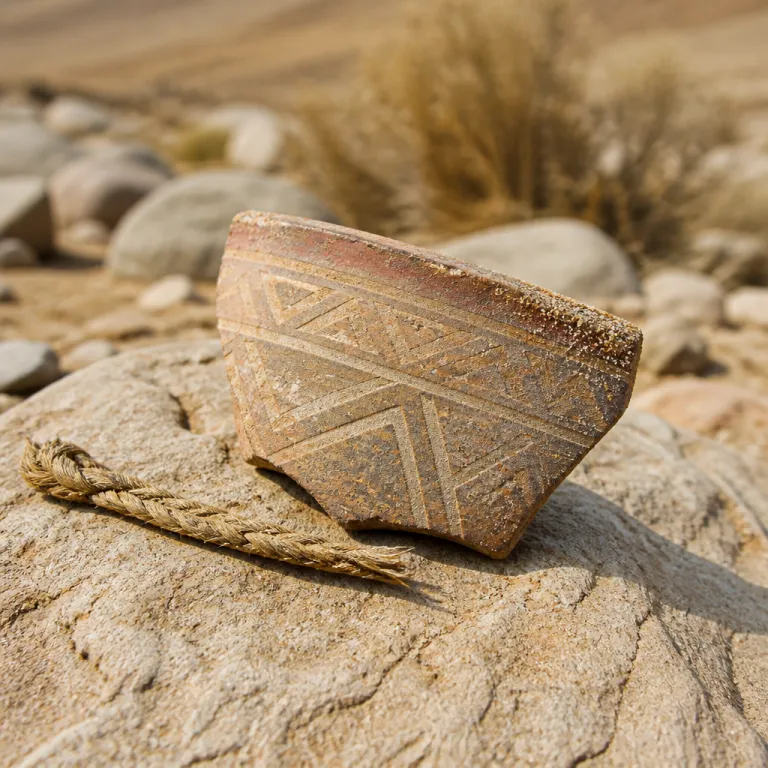
The Diaguita people occupied valleys that now host observatories, pisco vineyards and small villages, and their ceramic art is one of the most distinctive expressions of pre Columbian culture in South America. Geometric polychrome vessels, often found near heritage sites in the Elqui and Limarí valleys, show a sophisticated understanding of symmetry, color and symbolism that predates Inca expansion by many days and generations. When you frame your chile travel around these cultural layers rather than only around a dramatic national park or a single island, you begin to see how heritage, landscape and astronomy intersect in one coherent narrative.
For families planning a chile cultural heritage travel itinerary, the Diaguita trail works beautifully as a five to seven days circuit anchored in La Serena. You can spend one full day tracing Diaguita heritage sites in the Valle del Elqui, another day and night under some of the clearest skies on the planet, then add a coastal day exploring the historic quarter of La Serena and nearby beaches such as Avenida del Mar. Compared with a high budget stay in San Pedro de Atacama or a multi days nights expedition in Torres del Paine, this Norte Chico route often comes in several hundred USD lower while still delivering serious culture and soft adventure.
Reading Diaguita art: ceramics, petroglyphs and pre Inca stories
Diaguita ceramic art is the visual anchor of this chile cultural heritage travel theme, and it rewards close, unhurried looking. In museums in La Serena and Ovalle, you will see bowls and jars painted in red, black and white, with interlocking triangles and stepped motifs that echo Andean textiles yet remain distinctly Diaguita. These pieces turn an abstract heritage site into something tangible for children, who can trace the patterns with their eyes and link them to the surrounding hills and river terraces during the tour.
Out in the valleys, petroglyphs and rock panels add another layer to this cultural landscape, especially around the Río Hurtado and the upper Elqui, where local guides interpret solar symbols and animal figures. While this is not the stark emptiness of the Atacama Desert, the semi arid Norte Chico light sharpens every line, making the engravings easier to read during a well timed full day excursion. Families used to the drama of Rapa Nui statues or the monumental terraces near Machu Picchu often find the Diaguita heritage sites more approachable, because the scale is human and the stories feel rooted in everyday life rather than imperial power.
To deepen the cultural context, build in a stop at a community run interpretation center where Diaguita descendants explain how traditional agriculture, weaving and pottery still inform local identity. This is where chile cultural heritage travel moves beyond passive sightseeing and becomes a dialogue, especially for children who can ask direct questions about rituals, food and seasonal festivals. For a broader view of Indigenous experiences across Chile, including Mapuche culture far south of Norte Chico, it is worth reading about respectful Mapuche cultural experiences before you visit, so you arrive with a clear sense of how different communities negotiate tourism, privacy and pride.
Elqui Valley: where Diaguita heritage meets pisco and astronomy
The Elqui Valley is the natural base for a Diaguita focused chile cultural heritage travel itinerary, because it layers archaeology, viticulture and astronomy in a compact, family friendly corridor. From La Serena, the road climbs inland past papaya orchards and small villages, then narrows as you approach Vicuña and the higher hamlets that feel far removed from the bustle of Santiago. Within a single day, you can move from a Diaguita themed museum to a pisco distillery and then to an observatory, each stop adding another facet to the region’s cultural story.
Pisco distilleries here are not just about tasting flights and polished bars ; they sit on land once cultivated by Diaguita farmers, who engineered terraces and irrigation channels along the same river. A well designed tour will weave this continuity into the visit, so that when you sample a premium pisco for 10 to 15 USD, you also hear how pre Columbian agriculture underpins today’s Chilean export economy. For families, many distilleries offer non alcoholic grape juices and shaded gardens, turning what could be an adults only stop into a relaxed cultural pause between more intense heritage sites.
Night belongs to the observatories, where the famously clear skies of Norte Chico rival those of the Atacama Desert yet feel less commercial and less crowded. Under the Milky Way, guides point out constellations that mattered to both Diaguita farmers and later Chilean astronomers, linking cosmic cycles to planting days and ritual calendars. To time your visit with regional celebrations and harvest rhythms, it is worth checking current events and late season festivals through resources such as Chile’s harvest festival coverage, then aligning your chile travel dates so your children can see how culture, agriculture and astronomy still intersect.
Designing a family friendly Diaguita itinerary in Norte Chico
For a premium family used to long haul travel across South America, the Diaguita trail works best as a four to six days loop that balances movement and rest. Start with two days and one or two nights in La Serena, using a comfortable oceanfront hotel along Avenida del Mar as your base for the first heritage site visits and for a gentle beach day. This gives children time to adjust before you head inland toward the narrower valleys and higher altitudes of the Elqui corridor.
From there, plan at least two days nights in the mid valley around Vicuña or Pisco Elqui, where smaller properties offer pools, gardens and easy access to both Diaguita themed museums and observatories. A typical full day might include a morning visit to a local archaeological site, a long lunch at a family run restaurant, then an afternoon rest before an evening stargazing session. Parents who have previously managed more demanding itineraries in Patagonia or Torres del Paine often appreciate how this chile cultural heritage travel route builds in natural downtime without sacrificing depth.
On the return leg, you can add a coastal cultural stop in La Serena’s historic center, whose churches and museums complement the pre Columbian narrative with colonial and republican layers. If your broader chile travel plan includes other regions, this is also the moment to decide whether to fly south toward Santiago and onward to Valparaíso Viña del Mar, or north toward Calama for a contrasting stay in San Pedro de Atacama. Either way, the Diaguita days in Norte Chico will have given your family a grounded sense of Chilean culture that makes later visits to iconic heritage sites such as Rapa Nui or even Machu Picchu feel less like isolated wonders and more like parts of a continental story.
How Norte Chico compares with Atacama, Patagonia and Easter Island
Many families planning chile cultural heritage travel start with glossy images of the Atacama Desert, Torres del Paine or the moai of Easter Island, then worry about cost, altitude and logistics. Norte Chico offers a quieter alternative that still delivers strong culture and landscape, often at a lower USD outlay and with shorter internal flights from Santiago. For children, the gentler climate and lower elevation of the Diaguita valleys can also mean better sleep and more energy during day trips.
Compared with San Pedro de Atacama, where some excursions reach over 4 000 meters, the Elqui Valley sits at more moderate heights, making it easier for younger travelers or grandparents to enjoy full day tours without fatigue. The stargazing is comparable to that of the Atacama Desert, yet observatories here feel more intimate, and the narrative leans toward cultural astronomy rather than only astrophysics. When you add Diaguita heritage sites and pisco distilleries to the mix, the result is a multi layered experience that many families find richer than a purely geological adventure.
Set against Patagonia and Torres del Paine National Park, Norte Chico obviously lacks glaciers and the iconic Torres del Paine granite towers, but it compensates with easier logistics and more flexible days nights combinations. You can slot a four days Diaguita focused tour between urban time in Santiago and a coastal interlude in Valparaíso Viña del Mar without the long transfers required for Patagonia or Rapa Nui. For those who still want to include Easter Island or even a side trip to Machu Picchu in a broader South America journey, starting with the Diaguita trail often provides a cultural baseline that makes later, more remote heritage sites feel less like isolated trophies and more like chapters in a longer story.
Where to stay: emerging luxury in La Serena and the Elqui Valley
The accommodation scene along the Diaguita trail has matured quietly, and it now supports a refined version of chile cultural heritage travel that still feels grounded and local. In La Serena, look for upscale oceanfront properties along Avenida del Mar that offer interconnecting rooms, kids’ pools and easy access to the historic center for half day cultural walks. These hotels often price below the flagship lodges of Patagonia or San Pedro de Atacama, leaving more USD in your budget for private guides and tailored excursions.
Up in the Elqui Valley, a new generation of intimate design forward lodges blends adobe, stone and glass, with terraces oriented toward the night sky and the river. Many of these properties work closely with local communities, hiring guides who can interpret Diaguita heritage sites and arrange visits to small vineyards rather than only to large pisco brands. For families, the sweet spot is usually a three nights stay in one of these valley retreats, long enough to fit in a full day archaeological tour, a pisco visit, and at least one late night observatory session without rushing.
If you are mapping a longer chile travel arc that includes Patagonia, Chiloe Island or the Lake District, it is worth consulting a specialist resource such as this guide to luxury hotels in Chile to benchmark service levels and rates. That way, you can calibrate your Norte Chico stays against more established destinations like Torres del Paine or Chiloe, ensuring consistent comfort across very different landscapes. The goal is not to replicate a Patagonia style adventure in the Diaguita valleys, but to let each region express its own culture, from the ceramics of Norte Chico to the wooden churches of Chiloe and the windswept estancias of the far south.
Extending the Diaguita trail across chile cultural heritage travel
Once you have walked the Diaguita trail, it becomes easier to design a broader chile cultural heritage travel route that connects Norte Chico with other key regions. From La Serena, most families will route through Santiago, where a two days stop allows time for museums, markets and a day trip to the coastal pairing of Valparaíso Viña del Mar. This urban interlude helps children contextualize how pre Columbian cultures, colonial trade and modern Chilean life intersect in one long, sometimes messy, narrative.
From Santiago, you can fly south toward Patagonia, Chiloe Island or the Lake District, or north toward Calama and San Pedro de Atacama, depending on your appetite for adventure. In the south, Torres del Paine National Park and the wider Del Paine area deliver the classic granite and glacier drama, while Chiloe and its smaller Chiloe Island communities offer wooden churches that form part of a UNESCO heritage site cluster. In the north, the Atacama Desert around San Pedro de Atacama provides lunar landscapes and high altitude lagoons that contrast sharply with the softer contours of the Diaguita valleys.
Across all these regions, the thread that holds your chile travel together is a focus on heritage sites and living culture rather than on isolated postcard views. Whether you are standing before a single heritage site in Norte Chico, watching a local festival in a Chiloe village, or hiking a family friendly trail beneath the Torres del Paine peaks, the aim is the same. You are building a layered understanding of Chile as a long, narrow country where every valley, island and national park carries its own chapter of a much older story that began long before any map used the word Chile.
Key figures for Diaguita heritage and Norte Chico travel
- Chile’s Norte Chico region, including the Elqui Valley, records over 300 clear nights per year, making it one of the world’s leading locations for optical astronomy according to Chilean observatory data.
- The Diaguita cultural area once extended across roughly 600 kilometers of valleys between present day La Serena and Copiapó, based on archaeological surveys published by Chilean research institutions.
- Guided observatory visits in the Elqui Valley typically range from 30 to 70 USD per person, which is often 20 to 30 percent less than comparable stargazing experiences in the Atacama Desert.
- Many family oriented Diaguita themed day tours from La Serena or Vicuña run between 6 and 8 hours, balancing travel time, site visits and meals to remain manageable for children.
- Chile hosts six UNESCO World Heritage Sites, and while Diaguita locations are not yet inscribed, they are frequently cited in national heritage inventories as priority cultural landscapes for future protection.
FAQ about the Diaguita trail and Norte Chico
How many days should a family spend on the Diaguita trail ?
Most families find that four to six days are ideal for a Diaguita focused itinerary in Norte Chico. This allows two days in La Serena and at least two or three days nights in the Elqui Valley for heritage sites, pisco visits and stargazing. Shorter stays are possible, but they often feel rushed and leave little room for rest between full day excursions.
Is the Elqui Valley a good alternative to San Pedro de Atacama for children ?
Yes, the Elqui Valley is often easier for children than San Pedro de Atacama because altitudes are lower and temperatures more moderate. You still get strong astronomy experiences and semi arid landscapes, but without the long drives and very high passes common in the Atacama Desert. Families who want culture, nature and clear skies without pushing physical limits usually do well here.
Can Diaguita heritage be combined with other major Chilean destinations ?
The Diaguita trail fits neatly into wider chile travel plans that include Santiago, Valparaíso Viña del Mar, Patagonia or Chiloe. La Serena is a short flight from Santiago, making it easy to add four or five days in Norte Chico before or after a visit to Torres del Paine or Chiloe Island. Many travelers also pair it with a separate trip to Easter Island or even to Machu Picchu elsewhere in South America.
Are Diaguita sites suitable for younger children and older relatives ?
Most accessible Diaguita heritage sites in Norte Chico involve short walks on uneven but manageable terrain, so they work for school age children and active grandparents. The key is to choose guided tours that avoid the hottest hours of the day and to build in plenty of water and shade breaks. Private or small group tours give families more flexibility to adjust pace on the spot.
How does the cost of a Diaguita focused trip compare with Patagonia or Easter Island ?
In general, accommodation and guided tours in Norte Chico cost less than equivalent services in Torres del Paine or on Easter Island. Observatory visits and cultural excursions often run 20 to 40 percent cheaper than headline adventures in those regions, while still delivering high quality experiences. This makes the Diaguita trail an attractive option for families seeking depth in chile cultural heritage travel without committing to the highest USD price brackets.