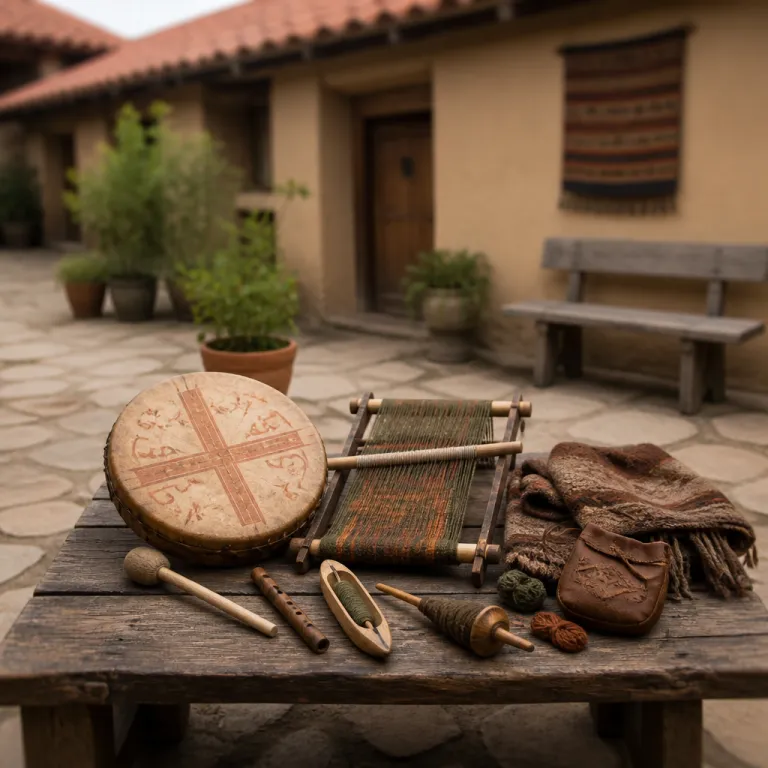
Mapuche culture in Chile: a travel experience shaped by respect
Luxury travelers arriving in southern Chile often expect dramatic volcanoes and serene lakes and rivers. The most meaningful encounters with Mapuche culture, however, begin not with scenery but with listening to Mapuche people who still live by ancestral rhythms. This is where a journey shifts from a standard trip into a deeper understanding of an Indigenous nation that has shaped the country for centuries.
The Mapuche are the largest Indigenous group in Chile. According to Chile’s 2017 national census, around 1,745,000 people self-identified as Mapuche, representing roughly 79% of the country’s Indigenous population (source: Instituto Nacional de Estadísticas, Censo 2017). Their culture is rooted in a spiritual relationship with people, land and water. When you engage with Mapuche traditions as a guest, you step into a living cultural system where ancestral wisdom, spiritual practices and traditional activities are still part of daily life. A thoughtful traveler will approach these experiences with humility, accepting that some ceremonies are not designed as entertainment but as expressions of a Mapuche worldview.
For a refined traveler, the most rewarding moments in this part of the country are those that feel both intimate and carefully framed by communities themselves. A genuine cultural exchange might involve a quiet evening around a sacred fire, listening to stories about ancestral battles and landscapes that hold spiritual meaning. As Mapuche poet Elicura Chihuailaf has written, “We are people of the word, of conversation,” and these encounters are not staged shows; they are invitations to learn ancient perspectives that still guide Mapuche communities in Araucanía and the Lake District.
We Tripantu: Mapuche New Year and why it is not a show
We Tripantu, the Mapuche New Year, takes place around the winter solstice in June when nights are longest in southern Chile. The celebration marks the return of the sun and the renewal of life cycles, and it is one of the most powerful expressions of Mapuche traditions still practiced widely in rural and urban communities. For travelers, understanding what happens during We Tripantu is essential before considering any cultural immersion at this time of year.
Before sunrise, Mapuche families and neighbors often walk together to nearby rivers or lakes for a ritual immersion that symbolizes cleansing and a fresh spiritual beginning. As the first light appears, community elders lead traditional ceremonies with drums, sacred fires and Mapuche songs that honor the Mapuche worldview and ancestral spirits. Later, families gather for communal meals where local people share seasonal foods, exchange stories and reinforce Mapuche heritage through storytelling and music.
We Tripantu is not designed as a spectacle for visitors, and responsible travelers will respect that some moments are private. If you are invited to attend, your role is to observe quietly, follow protocols explained by local guides and learn about the meaning behind each gesture rather than chasing photographs. Those who want a festive atmosphere might instead plan a trip around Chile’s broader harvest and seasonal celebrations, using resources such as a guide to where to catch the final celebrations of Chile’s harvest festival season to complement a more intimate We Tripantu experience.
From ethnic tourism to genuine exchange: choosing the right Mapuche experiences
Not every Mapuche-focused trip in Chile is created equal, and the difference between performative ethnic tourism and authentic cultural exchange is stark. Some roadside stops near Pucón or along main highways offer quick shows with costumes and generic dances that flatten Mapuche traditions into clichés for passing visitors. A more thoughtful journey seeks out community-led initiatives where Mapuche people define what they share, how they share it and which activities remain strictly spiritual.
In the Araucanía region, several Mapuche communities now host small cultural center projects where travelers can learn Mapuche weaving, taste traditional dishes cooked over wood fires and walk with local guides who explain medicinal plants. Around Temuco, for example, the Comunidad Mateo Nahuelpan and other Mapuche associations have developed workshops and guided visits that usually limit group sizes, prioritize conversation and encourage visitors to learn ancient stories about people, land, rivers and lakes that structure the Mapuche worldview (for current contacts and booking details, travelers should request information through regional tourism offices or certified tour operators). When you choose such travel experiences, you support Mapuche heritage on its own terms and help sustain ancestral wisdom for younger generations.
Luxury travelers planning a longer trip through Chile can pair these cultural stays with high-end urban breaks that still keep culture at the core. For example, you might combine a few nights in Araucanía with a design-forward property in Santiago, using a guide such as an article on how to pair luxury stays in Santiago with the Santiago a Mil International Festival to frame the city’s contemporary arts scene. This balance between rural Mapuche communities and the capital’s cultural calendar creates a richer journey that respects both ancestral and modern expressions of identity.
Where luxury meets Mapuche heritage: lodges, lakes and community partnerships
The most compelling high-end encounters with Mapuche culture often unfold in the Lake District, where luxury lodges sit close to Mapuche communities and dramatic waterways. Around Pucón and Villarrica, several premium properties now collaborate with Mapuche guides, healers and artisans to design activities that feel both refined and rooted in ancestral wisdom. These partnerships work best when the lodge accepts that Mapuche cultural priorities come first, even if that means limiting guest numbers or adjusting schedules around ceremonies.
A typical day might begin with a guided walk through native forest led by a Mapuche guide who explains medicinal plants, spiritual beliefs and the Mapuche worldview that links volcanoes, people and water. Later, guests return to the lodge spa for treatments inspired by traditional ingredients, or join a small-group cooking session where local Mapuche hosts share recipes and stories about seasonal food traditions. For travelers, this blend of comfort and cultural depth offers a rare opportunity to learn Mapuche practices without sacrificing the standards expected from a luxury stay.
Wellness-focused travelers can extend this approach by choosing properties that integrate Indigenous knowledge into broader wellbeing concepts. A useful reference is a guide to wellness retreats in Chile that go beyond the standard spa menu, which highlights stays where spiritual and cultural narratives matter as much as massage menus. When curated carefully, these travel experiences respect Mapuche heritage, support local economies and allow guests to learn in ways that feel both intimate and appropriately discreet.
Protocols, language and how not to play tourist in Mapuche territory
Respectful behavior is the foundation of any visit to Mapuche territory, and it starts long before you arrive in Araucanía or the Lake District. Travelers should understand that Mapuche communities are not open-air museums but living societies where spiritual practices, political debates and daily routines continue regardless of visitors. Your journey is temporary; their relationship with people, land, rivers and lakes is ancestral and ongoing.
Before entering a ruka, the traditional Mapuche dwelling, wait for an explicit invitation and follow the seating order suggested by hosts, as elders and community leaders usually sit first. Dress modestly, ask before taking photographs and avoid interrupting when someone is speaking about Mapuche traditions, especially during spiritual or ceremonial activities. Learning a few Mapudungun phrases is a simple way to show respect, and local guides often encourage guests to learn Mapuche greetings as part of a deeper understanding of the Indigenous group’s identity.
When in doubt, ask your host or guide how they would like you to participate, and accept that sometimes the answer will be to observe quietly. One local guideline captures this mindset clearly: “What is We Tripantu?” and “How can I experience Mapuche culture authentically?” are questions that should always be answered by the communities themselves. “When is We Tripantu celebrated?” is less important than how you choose to be present, listen and learn ancient perspectives that have survived in this country despite centuries of pressure.
Why this cultural dialogue matters for Chile and for luxury travelers
Engaging with Mapuche culture is not just another optional activity on a Chile itinerary; it is a way to connect with the country’s longest-running cultural dialogue. For Mapuche people, every respectful visit reinforces community pride, supports economic autonomy and helps transmit ancestral wisdom to younger generations. For travelers, these encounters offer a rare chance to step outside familiar frameworks and see how a different worldview organizes relationships between people, land and the spiritual realm.
As cultural tourism grows, Mapuche communities are increasingly setting their own terms, choosing which experiences they want to share and which remain private. This shift gives travelers the opportunity to support projects that prioritize education, language revitalization and the protection of sacred sites across rivers and lakes in Araucanía and the Lake District. When you choose community-led travel experiences, you contribute to a model where Mapuche heritage is strengthened rather than diluted by outside interest.
For luxury and premium hotel guests, the reward is an experience that feels both ethically grounded and emotionally resonant. A carefully planned journey can weave together nights in refined lodges near Pucón, visits to a small cultural center, and quiet conversations with Mapuche hosts that stay with you long after the trip ends. In a country defined by extremes of landscape, this subtle, human-scale cultural exchange may become the most enduring memory of your journey.
FAQ: experiencing Mapuche culture in Chile respectfully
What is We Tripantu in Mapuche culture?
We Tripantu is the Mapuche New Year, celebrated around the winter solstice in June in southern Chile. It marks the return of the sun and the beginning of a new life cycle, with pre-dawn river immersions, sunrise ceremonies and communal meals. For visitors, it is a spiritual and cultural moment that belongs first to Mapuche communities, not a festival designed for tourism.
How can I experience Mapuche culture authentically during my trip?
The most authentic way to engage with Mapuche culture is to work with community-led projects and local guides rather than mass-market shows. Look for small-scale stays near Pucón or in Araucanía where Mapuche people host weaving workshops, traditional cooking sessions or guided walks focused on medicinal plants. Always ask how your visit supports the community and be prepared to follow protocols that prioritize spiritual and cultural integrity over visitor convenience.
When is the best time to plan a Mapuche focused journey in Chile?
June around the winter solstice is significant because of We Tripantu, but meaningful experiences are possible throughout the year. Spring and autumn offer comfortable temperatures for outdoor activities near rivers and lakes, while community events and workshops often run on local calendars rather than fixed tourist seasons. The key is to contact hosts in advance, explain your interests and allow them to suggest the right timing for a respectful cultural immersion.
Do I need to speak Mapudungun to visit Mapuche communities?
You do not need to speak Mapudungun, but learning a few basic phrases shows respect and opens doors to a deeper understanding of Mapuche heritage. Many hosts and guides speak Spanish and sometimes English, yet they appreciate visitors who try to learn Mapuche greetings or key cultural terms. Simple efforts in language learning signal that you see Mapuche people as partners in cultural exchange rather than service providers.
What etiquette should luxury travelers follow in Mapuche territory?
Dress modestly, arrive on time, and always ask before taking photographs, especially during spiritual or traditional activities. Follow the guidance of your host about where to sit, when to speak and how to participate, accepting that some ceremonies are for observation only. Above all, treat every encounter with Mapuche culture in Chile as a privilege granted by communities who are sharing ancestral wisdom on their own terms.