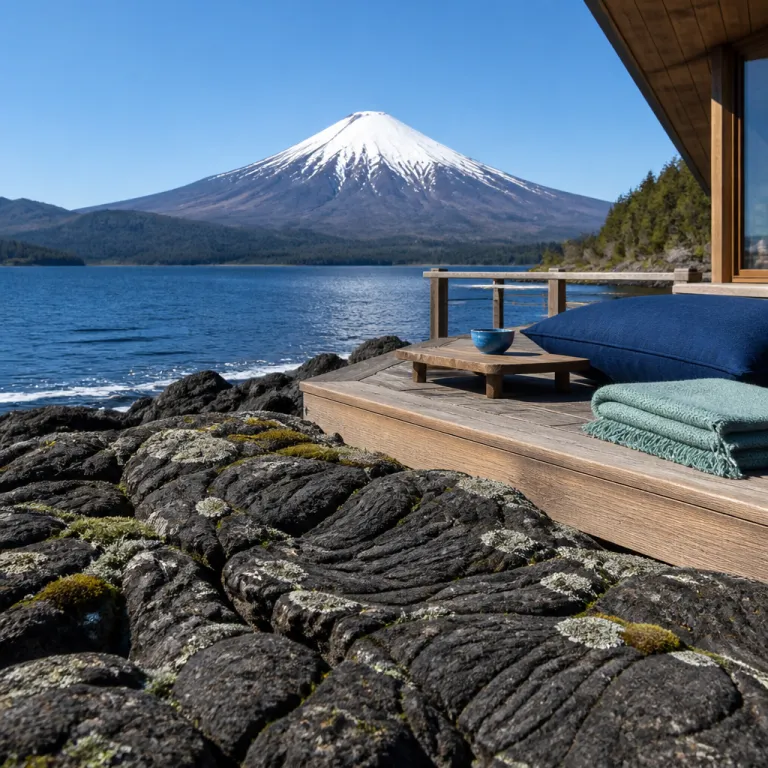
Chile volcano landscapes and the rise of luxury Andean lodges
Chile volcano landscapes and the rise of luxury Andean lodges
Chile stretches along the southern Andean volcanic arc, where luxury lodges now frame some of the world’s most dramatic peaks. In this long, narrow country, dozens of active volcanoes in Chile shape valleys, lakes, and hot springs that attract travelers seeking refined stays close to raw volcanic activity. For guests booking premium rooms, the key is understanding how each Chile volcano setting influences comfort, safety, and style.
The southern Andean region around Villarrica volcano, Nevados de Chillán, and the Puyehue–Cordón Caulle volcanic field offers a rare mix of geothermal energy and high-end hospitality. Here, operators work closely with Servicio Nacional de Geología y Minería (SERNAGEOMIN) to track the alert level for each active volcano and to adapt services in real time. When volcanic activity increases, color-scale alerts and field observations guide whether spa facilities, crater-rim hikes, or helicopter overflights continue as planned during your days in the mountains.
Luxury travelers often ask how safe it is to sleep near active volcanoes in Chile, especially in the southern Andean corridor. Monitoring is rigorous, with eruptions recorded, seismic observations reported, and satellite data confirming changes in each volcanic crater or fissure. As SERNAGEOMIN explains in its public guidance, travelers should stay informed about local volcanic activity, follow official instructions during eruptions, and avoid restricted areas near active volcanoes.
Choosing an Andean mountain lodge near Villarrica and Nevados de Chillán
Villarrica stands among the most iconic volcanoes Chile offers to travelers, with its near-perfect cone rising above the lakeside town of Pucón. When you book a luxury lodge in the Villarrica Pucón area, you gain front-row views of a glowing crater and easy access to curated excursions on snow, forest, and lava fields. The best properties balance proximity to the Villarrica volcano with meticulous risk management and clear communication about the current alert level.
High-end lodges near Nevados de Chillán sit in a central Andean volcanic corridor where hot springs, ski slopes, and geothermal spas share the same volcanic field. Here, volcanic activity has shaped natural pools and mineral-rich mud, which many wellness-focused hotels integrate into signature treatments over several days of stay. Before confirming a reservation, ask how the property receives Servicio Nacional updates, how quickly eruptions recorded in the region are reported to guests, and what evacuation plans exist if activity rises above the usual background level.
Travelers combining volcanoes and snow often extend their journey toward Valle Nevado and other central Andean resorts, pairing ski-in ski-out comfort with day trips to nearby peaks. For a refined overview of high-altitude lodging options, a detailed Valle Nevado trail and stay guide on elegant Andean ski itineraries helps align room categories, transfer times, and seasonal conditions. This approach lets you compare central and southern Andean experiences, from the lava slopes of Villarrica to the snowfields above Santiago, within a single coherent itinerary.
Volcanic luxury around Cordon Caulle, Puyehue, and Planchón Peteroa
In the lake districts of southern Chile, the Cordón Caulle and Puyehue–Cordón volcanic systems create a surreal landscape of ash plains, forests, and turquoise rivers. Upscale lodges here often sit beside quiet lakes or within private reserves, offering guided drives to viewpoints where past eruptions recorded their mark on the terrain. Guests enjoy refined dining and spa rituals in the evening, then spend daylight hours exploring the wider volcanic arc with expert naturalist guides.
Further north along the Andean volcanic chain, the Planchón Peteroa complex lies in a more remote central Andean setting, where luxury accommodations are fewer but increasingly ambitious. Some high-end properties use helicopter transfers to shorten travel days, linking vineyards in the central valley with secluded mountain lodges near this active volcanic field. When volcanic activity is confirmed by Servicio Nacional teams, these lodges adjust excursion routes, keeping guests at a comfortable level of exposure while still offering meaningful observations of the landscape.
Travelers who appreciate both volcanoes and coastal scenery often weave in time at Pacific beaches or Easter Island, using specialized Chile luxury stay planners to coordinate logistics. A curated overview of high-end coastal and island properties on luxury stays in Chile and Easter Island can complement your Andean volcanic route. From there, it becomes easier to decide whether to end your trip with ocean views or return to the southern Andean highlands for one last night beneath a Chile volcano skyline.
Design, wellness, and gastronomy in volcano facing lodges
Architecture in Chile’s Andean mountain lodges often frames the volcano, turning each crater and ridge into a living artwork. Floor-to-ceiling windows capture sunrise light over peaks such as Villarrica, Cerro Azul, or the distant Cerro del Salado massif, while terraces offer sheltered spaces for evening wine tastings. Designers use local stone, native wood, and geothermal heating where volcanic activity allows, creating a sense of warmth that contrasts with the snow outside.
Wellness programs in these lodges lean heavily on the volcanic setting, from thermal pools fed by southern Andean hot springs to mud treatments sourced from mineral-rich soils. In areas influenced by Nevados de Chillán or the Cordón Caulle volcanic field, spas often adjust operating hours and outdoor pool access according to the current alert level and real-time observations. Guests may spend days alternating between guided hikes on old lava flows, yoga sessions facing an active volcano, and tasting menus that highlight ingredients grown in volcanic soils.
Gastronomy teams frequently reference the wider volcanic arc in their menus, pairing wines from central Andean valleys with produce from southern farms near Villarrica Pucón or San Pedro de Atacama. Chefs design courses that echo the landscape, such as charcoal-grilled meats evoking dark lava or bright sauces inspired by molten crater colors on the standard color scale used for hazard maps. Over the years, this culinary creativity has become a hallmark of premium volcano-facing lodges in Chile, giving guests a multi-sensory connection to the terrain.
Safety, monitoring, and how alert levels shape the guest experience
Staying near an active Chile volcano means accepting that nature sets the rhythm, but it does not mean compromising on safety. Chile’s Servicio Nacional de Geología y Minería maintains dense monitoring networks across the southern Andean and central Andean ranges, with seismographs, satellite imagery, and gas analyzers tracking volcanic activity. When changes are confirmed, lodges receive updates on the alert level, often expressed through a clear color scale that staff can explain in simple terms.
For travelers, the most practical step is to ask how a property integrates official observations into daily operations, especially in regions with multiple volcanoes Chile is known for. A well-managed lodge will have written protocols for different alert levels, from normal background activity to heightened unrest or minor eruptions, and these plans should be shared with guests during check-in. If eruptions are reported or eruptions recorded nearby, excursions to crater rims, glacier routes on Cerro Azul, or remote viewpoints above San Pedro may be modified, postponed, or replaced with safer alternatives.
Some guests worry about unknown risks or unreported events, especially after hearing about past eruptions at Calbuco, Chaitén, or Laguna del Maule. In practice, Chile’s monitoring systems have improved significantly over recent years, with field teams and satellites providing near real-time data on each active volcano. One guest at a Villarrica Pucón lodge described how staff calmly reviewed the current alert level over breakfast and adjusted that day’s crater hike to a lower viewpoint, turning a potential concern into a reassuring example of transparent decision making.
Planning multi day itineraries across Chile’s volcanic regions
Designing a luxury itinerary around more than one Chile volcano requires careful pacing, especially when crossing long distances between the Atacama, central valleys, and southern Andean lakes. Many travelers start with high desert landscapes near San Pedro de Atacama, where distant volcanoes line the horizon, then fly south toward Villarrica or Nevados de Chillán for greener scenery. This north-to-south progression reveals how the Andean volcanic arc changes in altitude, climate, and style of accommodation over several days.
From there, you might add a leg toward the Cordón Caulle and Puyehue–Cordón area, staying in lakeside lodges that specialize in private boat excursions and guided hikes on old lava flows. Another option is to continue into more remote central Andean sectors near Planchón Peteroa or the Cerro del Salado region, where fewer lodges exist but service levels are often exceptionally personalized. When comparing properties, pay attention to transfer times, road conditions, and how often Servicio Nacional updates are reported to guests, especially if volcanic activity has been confirmed recently.
Travelers who prioritize snow sports can integrate Valle Nevado and nearby ski areas, using them as a central hub between different volcanic regions. A detailed overview of new high-altitude residences on Aconcagua ski residences and mountain luxury helps align room categories with your wider volcano-focused route. Over the years, Chile has refined this blend of adventure and comfort, allowing guests to move between multiple volcanoes Chile offers while maintaining a consistently high level of service and safety.
Key figures on Chile’s volcanoes and luxury travel
- Chile has several dozen volcanoes classified as active by SERNAGEOMIN, placing it among the most volcanically active countries on Earth and creating exceptional potential for Andean mountain lodges with crater and lava field views.
- Calbuco volcano rises to about 2,003 metres near Puerto Montt, and its recent eruption led to evacuations and ashfall affecting nearby communities, a reminder of why alert-level systems and color-scale communication are essential for hotels in the southern Andean region.
- The 2008 eruption of Chaitén released a large volume of magma and ash, according to NASA Earth Observatory analyses, illustrating the scale of events that monitoring networks must anticipate when planning safe guest activities around any Chile volcano.
- Laguna del Maule, an Andean volcanic complex in the Maule Region, has shown increased seismic activity in recent years, prompting intensified seismic monitoring and satellite observations that directly inform risk assessments for future high-end lodges in this central Andean corridor.
FAQ about luxury stays near Chile’s volcanoes
How safe is it to stay in a lodge near an active volcano in Chile ?
Safety standards are high, especially in regions where Servicio Nacional de Geología y Minería maintains dense monitoring networks. Lodges near Villarrica, Nevados de Chillán, or other active volcanoes follow official alert-level guidance and adapt excursions when volcanic activity changes. Choosing properties that clearly explain their evacuation plans and communication protocols is the most reliable way to ensure a secure stay.
Which regions are best for combining luxury lodging and volcano views over several days ?
The southern Andean lake district around Villarrica, Puyehue–Cordón Caulle, and Calbuco offers the widest range of premium lodges with direct volcano views. Central Andean areas near Nevados de Chillán and Planchón Peteroa provide a balance of hot springs, snow sports, and quieter properties. Many travelers link these with time in San Pedro de Atacama or Valle Nevado to experience different segments of the Andean volcanic arc.
How are Chilean volcanoes monitored for tourism safety ?
Chilean volcanoes are monitored through seismic networks, satellite imagery, and field studies conducted by Servicio Nacional de Geología y Minería and partner institutions. Data on eruptions recorded, gas emissions, and ground deformation feed into an alert-level system that uses a clear color scale. Lodges in volcanic regions receive regular updates and adjust guest activities, such as crater-rim hikes or helicopter tours, based on these observations.
What should I ask a hotel before booking near a Chile volcano ?
Ask how the property receives and interprets official volcanic activity reports, and whether staff are trained to explain the current alert level. Clarify evacuation routes, assembly points, and how quickly guests would be informed if conditions changed. It is also wise to ask whether certain activities, such as visits to Cerro Azul or remote viewpoints above San Pedro, might be cancelled if unknown factors or new eruptions are confirmed.
Can I visit multiple volcanoes Chile offers in one luxury trip ?
Yes, many itineraries combine several volcanoes over 10 to 14 days, linking San Pedro de Atacama, central Andean ski resorts, and southern lake districts. Domestic flights shorten long distances, while private transfers connect airports with lodges near Villarrica, Nevados de Chillán, or the Cordón Caulle volcanic field. Working with a specialist in Chile luxury travel helps align flight schedules, alert-level considerations, and lodge availability into a coherent route.
References
- SERNAGEOMIN (Servicio Nacional de Geología y Minería), official volcano monitoring reports for Chile.
- NASA Earth Observatory, analyses of Calbuco and Chaitén eruptions and Laguna del Maule activity.
- Local Chilean universities and research centres publishing peer-reviewed studies on the southern Andean volcanic arc.