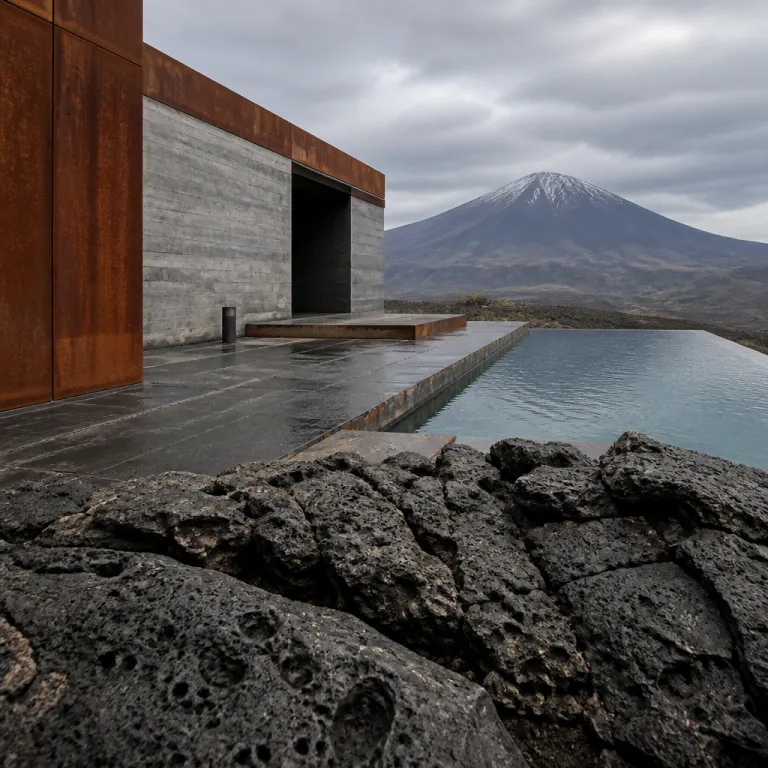
Andean mountain lodges facing the great volcanoes in Chile, South America
High in the Andes, luxury lodges frame some of the most dramatic volcanoes in Chile, South America. These retreats sit where the Andean volcanic zone meets snowfields, forests, and lakes, giving guests front row views of active peaks and ancient caldera rims. For travelers planning chile travel with a focus on refinement, this is where wilderness spectacle meets discreet service.
Chile lies on the Pacific Ring of Fire, and its volcanism has shaped valleys, hot springs, and the very ridgelines you see from your suite. Around ninety active volcanoes in Chile are monitored by SERNAGEOMIN using seismographs, thermal cameras, and gas analyzers, and this scientific presence quietly supports safe high end travel experiences. When you book Andean mountain lodges in southern Chile or further north in south Chile, you are entering a landscape where volcanic activity is both carefully watched and deeply respected.
Guests often ask how many active volcanoes Chile hosts and which volcano is the highest. The Global Volcanism Program notes that there are approximately 90 active volcanoes, while Ojos del Salado rises to 6,893 meters and holds the title of highest volcano in the country. These figures matter when you choose a lodge, because altitude, access, and the character of each stratovolcano or lava dome influence everything from room views to the type of guided activity available.
Luxury properties near the major volcanoes in Chile, South America tend to cluster around lake districts and national park gateways. In southern Chile, lodges near Puerto Varas offer vistas of the perfect cone of Osorno volcano, while others look toward the volcanic complex of Mocho Choshuenco across deep blue waters. Further inland, properties near Villarrica volcano and Nevados de Chillán provide direct access to ski slopes, hot springs, and forest trails shaped by Holocene eruptions.
For travelers who want to visit several volcanoes Chile offers in one itinerary, curated multi day stays work best. You might spend three days near Puerto Varas, two days around Villarrica, and several days in the Nevados de Chillán area, each lodge chosen for its particular angle on the surrounding volcanic zone. This rhythm of days allows time to adjust to elevation, understand local volcanic history, and enjoy the full range of lodge amenities without rushing.
Choosing the right region in southern Chile for luxury volcano views
When planning a premium stay around volcanoes in Chile, South America, your first decision is which region of southern Chile suits your style. The Lake District around Puerto Varas and Osorno volcano offers gentle landscapes, while the Villarrica and Pucón area feels more overtly volcanic and adventurous. Farther south, the Nevados de Chillán region blends ski culture, hot springs, and a rugged volcanic complex that attracts serious hikers.
Puerto Varas is ideal if you want refined hotels, lakefront promenades, and clear views of a classic stratovolcano rising above Llanquihue Lake. From a suite here, you can watch clouds wrap around Osorno volcano at sunrise, then arrange a private tour to nearby national park trails or a scenic drive toward the moody lava dome fields of Calbuco. Many guests pair this stay with a few days near Villarrica, where the atmosphere is more focused on active experiences and direct encounters with volcanic activity.
The Villarrica region is dominated by Villarrica volcano, one of Chile’s most active volcanoes and a constant presence above the town of Pucón. Here, luxury lodges often sit in native forest, with terraces oriented toward the smoking summit and the broad caldera line etched against the sky. Because this is an active volcano, operators work closely with local authorities and monitoring agencies, and guests are briefed on current conditions before any climb or high altitude activity.
Nevados de Chillán, a volcanic complex in south Chile, appeals to travelers who want ski in, ski out comfort combined with thermal pools and a sense of seclusion. Several premium properties here offer direct access to slopes that run over Holocene lava flows, and spa facilities use naturally heated waters shaped by deep volcanism. If you are considering a winter focused itinerary, pairing Nevados de Chillán with a stay at a high end ski resort such as Portillo, highlighted in this wine week and renovated chalets feature, can create a balanced Chile travel experience.
Travelers with more time sometimes extend their route north toward the Atacama, where lodges near San Pedro de Atacama face a different style of volcanic zone. Here, long extinct cones and broad caldera systems dominate the horizon, and the focus shifts from lush forests to high desert clarity and stargazing. Whether you choose Puerto Varas, Villarrica, Nevados de Chillán, or San Pedro, the best approach is to match your preferred climate, activities, and level of remoteness with the character of each volcanic landscape.
Signature Andean lodges and how they frame each volcano experience
Luxury Andean lodges near the main volcanoes in Chile, South America are designed to frame the landscape as the central spectacle. Architecture often uses large picture windows, natural stone, and warm woods to draw your eye toward the stratovolcano silhouettes at dawn and dusk. The best properties understand that guests come for both comfort and a sense of proximity to powerful volcanic forces.
Around Puerto Varas, high end hotels along the lakeshore offer suites where Osorno volcano appears almost theatrical, its snow covered cone mirrored in the water. Flagship properties such as Hotel AWA and the historic Hotel Cabaña del Lago typically sit 30 to 40 minutes by road from the Osorno ski area, and concierge teams arrange private boat transfers, helicopter overflights, or guided drives into Vicente Pérez Rosales National Park, where you can walk near ancient lava dome formations and waterfalls carved by past eruptions. These experiences are timed carefully over several days, allowing you to enjoy leisurely breakfasts and spa treatments between each outdoor activity.
Near Villarrica, lodges often integrate geothermal features directly into their design, with hot pools fed by volcanic activity and spa circuits inspired by local Mapuche traditions. Properties such as &Beyond Vira Vira or Hotel Antumalal typically sit within a 15 to 25 minute transfer of Pucón, and from terraces and lounges guests watch the plume above Villarrica volcano and the changing light on its upper slopes, while guides brief them on current seismic readings and safe routes. One local guide in Pucón likes to tell guests, “The volcano is our neighbor, not our enemy,” a reminder that informed respect underpins every planned climb or excursion.
In the Nevados de Chillán area, mountain hotels and chalets sit close to ski runs that cross recent Holocene deposits, giving skiers a direct sense of the living volcanic complex beneath the snow. Termas de Chillán and newer boutique chalets generally lie about an hour’s drive from the city of Chillán, and after a day on the slopes you can soak in thermal pools while looking toward the broken caldera rim and distant peaks of south Chile. For guests who enjoy structured exploration, detailed trail resources such as this elegant guide to Valle Nevado trail maps illustrate how Chile’s mountain infrastructure supports both comfort and serious alpine routes.
Further afield, lodges near San Pedro in the Atacama Desert position guests to view long dormant cones and broad salt flats under exceptionally clear skies. Properties such as Explora Atacama, Nayara Alto Atacama, and Tierra Atacama typically sit between 2,400 and 2,500 meters above sea level, and here the focus is less on active volcanoes and more on the geological story of volcanism that built the plateau, with excursions to high altitude lagoons and ancient lava fields. Whether you choose Puerto Varas, Villarrica, Nevados de Chillán, or San Pedro, the unifying theme is thoughtful design that keeps the volcano, or the wider volcanic zone, always within sight yet at a comfortable, safe distance.
Planning safe high altitude activities around Chile’s active volcanoes
Luxury travelers drawn to volcanoes in Chile, South America often want to move beyond the lodge terrace and step onto the slopes themselves. Planning these activities safely requires attention to altitude, current volcanic activity, and the quality of guiding services. A well curated itinerary balances ambition with rest days, ensuring that each climb or hike enhances your stay rather than exhausting it.
For many guests, a guided ascent on Villarrica volcano is the highlight of their chile travel, offering a close view of an active crater under strict safety protocols. Professional guides monitor reports from SERNAGEOMIN, which uses seismic monitoring, satellite imagery, and field observations to track changes in volcanic activity. Climbs are scheduled only when conditions are stable, and routes are adjusted if gas emissions or tremors suggest increased risk.
Altitude sickness is a real consideration, especially if you plan to climb higher peaks such as Ojos del Salado, the highest volcano in Chile at 6,893 meters. Even experienced hikers should allow several days to acclimatize, spending time at intermediate elevations in south Chile or the Atacama before attempting serious ascents. Lodges familiar with high altitude logistics can arrange medical checks, oxygen support, and flexible schedules that prioritize your health over any fixed summit goal.
Not every guest wants to climb, and many prefer gentler activity such as half day hikes to viewpoints over caldera rims, lava dome fields, or Holocene ash deposits. In national park areas near Osorno volcano, Nevados de Chillán, and Mocho Choshuenco, guides can tailor routes to your fitness level, with options ranging from easy forest walks to more demanding ridge traverses. The best lodges coordinate these tours seamlessly, ensuring that transfers, equipment, and gourmet picnics are handled while you focus on the landscape.
For those intrigued by the idea of combining snow sports with volcanic scenery, ski resorts built on volcanic slopes offer a compelling mix of activity and comfort. After a day on the snow, you can return to a suite, enjoy fine dining, and plan the next day’s outing with your guide, whether that means another climb, a cultural visit, or a simple rest day. This rhythm of exertion and relaxation is central to luxury travel in volcanic regions, and it allows you to appreciate the power of volcanoes Chile offers without compromising safety or comfort.
Beyond the Andes: remote volcanic landscapes and coastal extensions
While the Andes dominate most itineraries focused on volcanoes in Chile, South America, discerning travelers often add more remote volcanic landscapes to their plans. One striking option is Easter Island, a Chilean territory in the Pacific where extinct volcanic cones frame archaeological sites and ocean views. Here, the mood shifts from active volcanism to a contemplative exploration of how ancient cultures lived with their volcanic environment.
On Easter Island, luxury lodges sit amid rolling grasslands and low volcanic hills, with suites oriented toward the sea or the silhouettes of old craters. Properties such as Nayara Hangaroa and Explora Rapa Nui typically lie 10 to 20 minutes from the island’s main town of Hanga Roa, and guided tours take you to the island’s main volcanic features, including the vast caldera of Rano Kau and the quarry at Rano Raraku, where moai statues were carved from volcanic tuff. While these volcanoes are no longer active, the sense of walking inside a giant lava sculpted amphitheater adds a different dimension to your broader Chile travel narrative.
Travelers with a deep interest in volcanism sometimes combine Easter Island with time in the Atacama Desert and the central Andes, creating a multi region journey through distinct volcanic zones. In the north, near San Pedro de Atacama, lodges offer excursions to high altitude plateaus, salt flats, and distant cones that once fed large caldera systems. This contrast between the humid forests of southern Chile and the stark dryness of the Atacama highlights how varied volcanic landscapes can be within a single country.
Some itineraries also weave in coastal cities and wine regions, using them as gentle interludes between more intense mountain segments. After several days near active volcanoes in south Chile, a stay in a coastal hotel with spa facilities and fine dining can provide welcome balance. From there, you might fly onward to Easter Island or return inland to another Andean lodge, always keeping the rhythm of your days varied and restorative.
Because distances in Chile are long, careful planning of flight times and overland transfers is essential, especially when connecting remote volcanic destinations. High end travel advisors familiar with volcanoes Chile offers can coordinate private charters, VIP airport services, and flexible check in times at lodges. This logistical finesse ensures that your focus remains on the landscapes themselves rather than on the mechanics of moving between them.
Culinary, wellness, and family experiences in Chile’s volcanic lodges
Staying near the great volcanoes in Chile, South America is not only about scenery and adventure. Luxury and premium lodges have developed sophisticated culinary and wellness programs that draw directly from the volcanic environment. Thermal waters, fertile volcanic soils, and local traditions all shape what appears on your plate and in your spa itinerary.
In regions such as Puerto Varas, Villarrica, and Nevados de Chillán, chefs rely on ingredients grown in mineral rich volcanic soils, from cool climate wines to berries and native herbs. Menus often pair these products with lake fish, pasture raised meats, and inventive desserts inspired by lava flows or snow covered cones, creating a subtle narrative of volcanism through taste. Families will find that many properties offer thoughtful children’s menus and flexible dining times, and resources like this guide to family dining in Chile’s best hotels can help align expectations.
Wellness programs in volcanic regions naturally emphasize thermal baths, mud treatments, and outdoor relaxation with views of nearby peaks. Around Nevados de Chillán and Mocho Choshuenco, spa circuits often include pools fed by geothermal springs, allowing you to feel the warmth of deep volcanic activity in a controlled, luxurious setting. After days spent hiking near caldera rims or contemplating distant peaks such as Ojos del Salado and the remote del Salado massif, these rituals help muscles recover and minds settle.
Families and multigenerational groups benefit from the variety of activity options around Chile’s volcanoes, which range from gentle lake cruises to more demanding climbs. While some members of the group tackle a summit attempt or a long ridge walk, others can enjoy shorter walks, cultural visits, or simple relaxation at the lodge, ensuring that every day feels inclusive. This flexibility is one reason why volcanoes Chile offers have become a backdrop not only for adventure trips but also for celebrations, reunions, and extended stays.
For travelers who value privacy, many lodges offer villas or standalone suites with direct views of iconic peaks such as Villarrica, Osorno volcano, or the distant silhouettes of Nevados de Chillán. Private guides, in room dining, and tailored wellness sessions can be arranged so that your contact with the wider world is limited to the landscapes outside your window. In this way, the volcano becomes both a dramatic neighbor and a quiet companion throughout your time in Chile.
Key figures and facts about Chile’s volcanoes and safety
- Chile hosts approximately 90 active volcanoes, according to the Global Volcanism Program, making it one of the most volcanically active countries on the planet and a prime destination for travelers interested in geology.
- Ojos del Salado, at 6,893 meters above sea level, is recognized as the highest active volcano in the world, and its extreme altitude means that any attempt to climb it requires careful acclimatization and professional support.
- Villarrica is classified as one of Chile’s most active volcanoes, with historical eruptions recorded over centuries, which is why guided activities there are always coordinated with real time monitoring data from SERNAGEOMIN.
- Monitoring of volcanic activity in Chile relies on a network of seismographs, thermal cameras, and gas analyzers, and these tools feed into early warning systems designed to protect both local communities and visiting travelers.
- National park areas around Osorno volcano, Nevados de Chillán, and other major peaks combine conservation with recreation, allowing visitors to hike, ski, and relax in landscapes shaped by Holocene eruptions while following clearly marked safety guidelines.
FAQ: luxury travel around Chile’s volcanoes
How many active volcanoes are there in Chile, and are they safe to visit ?
Chile has approximately 90 active volcanoes, and many of them sit within or near protected areas that welcome visitors under managed conditions. Safety depends on real time monitoring by agencies such as SERNAGEOMIN, which track seismic signals, gas emissions, and surface changes. When you stay at reputable lodges and book with certified guides, activities are scheduled only when volcanic activity levels are considered acceptable.
What is the highest volcano in Chile, and can luxury travelers climb it ?
Ojos del Salado is the highest volcano in Chile at 6,893 meters, and it is also regarded as the highest active volcano in the world. Climbing it is a serious high altitude expedition that requires excellent fitness, acclimatization, and support from specialized operators. Luxury travelers sometimes include Ojos del Salado as a centerpiece of a longer itinerary, using premium lodges at lower elevations to rest before and after the ascent.
Is Villarrica volcano currently active, and what does that mean for visitors ?
Villarrica volcano is one of Chile’s most active volcanoes, with a history of frequent eruptions and ongoing gas emissions. For visitors, this means that access to the upper slopes and crater area is tightly controlled, and guided climbs operate only when monitoring data indicates stable conditions. Many travelers choose to enjoy views from safe distances, combining lake activities, forest hikes, and hot springs with informed briefings about current volcanic behavior.
How is volcanic activity monitored in Chile’s main tourist regions ?
Volcanic activity in Chile is monitored through a combination of seismic networks, satellite imagery, and field observations carried out by SERNAGEOMIN and partner institutions. Instruments such as seismographs, thermal cameras, and gas analyzers detect changes that might signal unrest, and this information feeds into early warning systems. Luxury lodges and tour operators in regions like Puerto Varas, Villarrica, and Nevados de Chillán stay in close contact with authorities to adjust activities when necessary.
What should travelers do to stay safe when visiting areas near active volcanoes ?
Travelers should always check local advisories before arrival, follow safety guidelines provided by their lodge or guide, and familiarize themselves with evacuation routes in their immediate area. It is wise to respect restricted zones, carry appropriate clothing and equipment for mountain conditions, and be honest about fitness levels when planning climbs or long hikes. By combining informed caution with professional support, you can enjoy Chile’s volcanic landscapes while minimizing risk.