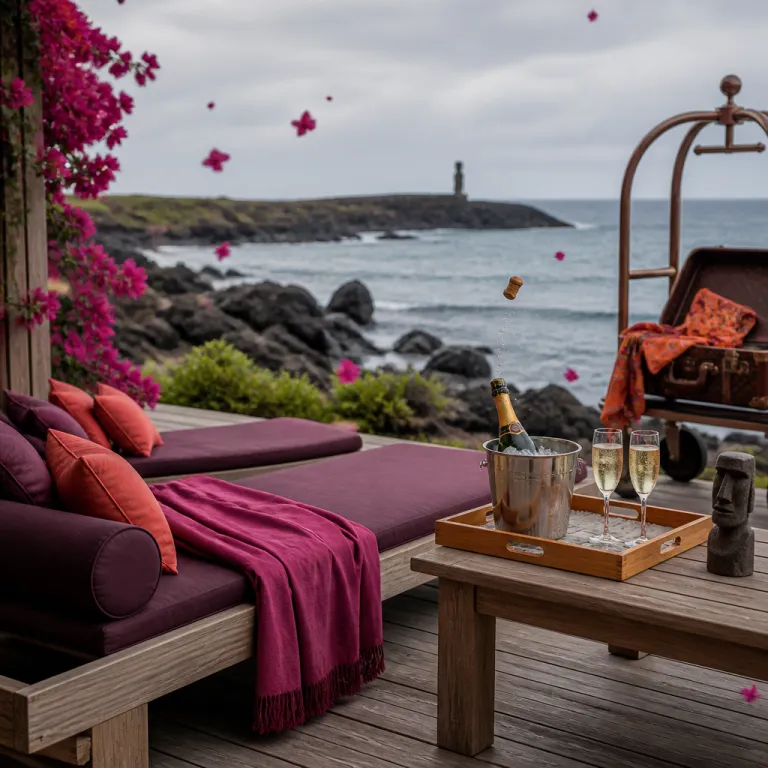
Chile South America beaches and the path to Easter Island luxury
Chile stretches along more than 6 400 km of Pacific coast, offering a rare combination of wild beach landscapes and refined hospitality. Along this coastline you will find some of the best beaches in South America, where white sand, blue waters and sophisticated hotels meet in a way that suits demanding travelers. For anyone planning a journey that combines Chile’s Pacific beaches with an exclusive stay on Easter Island, understanding how these destinations connect will shape every decision you make.
The Chilean Government, through SERNATUR (Servicio Nacional de Turismo), actively promotes beaches Chile wide as part of a long term tourism strategy, and this benefits luxury guests seeking curated experiences. Official campaigns highlight eco tourism, cultural festivals and adventure sports, while local communities maintain each beach and protect the surrounding waters. When you read official Chile Travel guidance from SERNATUR, you will notice a strong emphasis on conservation, which directly influences how high end hotels are built and operated along the coast and on Rapa Nui.
Chile’s coastline includes more than 1 000 beaches, from the desert city of Iquique in the north to the cooler bays of the south. This variety means you can pair a stay near Bahía Inglesa or another family friendly playa with a remote island escape on Easter Island in a single itinerary. The result is a sequence of destinations that moves from the driest Atacama Desert landscapes to crystal clear waters and Polynesian culture, without losing the thread of luxury and comfort.
From Bahía Inglesa to Easter Island exclusive stays
Bahía Inglesa is often ranked among the best beaches in Chile, thanks to its white sand, turquoise waters and relaxed atmosphere. The small coastal area near Caldera offers a gentle bay where the waters stay relatively calm, making it a family friendly choice for travelers who want a soft landing before flying onward to Easter Island. Many visitors consider Bahía Inglesa and its neighboring playas to be the perfect place to rest after crossing from Argentina by land or air into Chile.
When you read the best regional guides, Bahía Inglesa appears alongside Playa Anakena on Easter Island as part of a short list of America’s standout coastal destinations. SERNATUR’s beach rankings frequently mention Bahía Inglesa, Viña del Mar and Anakena together when answering the question: “What are the best beaches in Chile?” This pairing is useful for luxury travelers, because it shows how Chilean beaches on the mainland can be combined with Rapa Nui in one coherent route that moves from the continent to the Pacific’s most storied island.
For those planning an Easter Island stay, it is worth studying how high end properties integrate with the island’s heritage and fragile environment. Many premium hotels near Playa Anakena and other beaches south of Hanga Roa limit room numbers, manage water use carefully and design excursions that respect archaeological sites. To explore a broader range of island retreats, you can consult a dedicated guide to Chile’s islands of distinction and luxury stays from Rapa Nui to Patagonia, which helps you compare locations, service levels and access to the beach.
Linking Atacama Desert, coastal beaches and Rapa Nui
Many sophisticated travelers want to combine the Atacama Desert, Chile South America beaches and Easter Island in a single, carefully sequenced trip. The classic route begins in San Pedro de Atacama, where you explore the Atacama Desert’s salt flats and high altitude lagoons before flying south to the coast. From there, you continue over the blue waters of the Pacific to reach Rapa Nui, where Playa Anakena offers one of the best beaches for swimming in the entire country.
San Pedro and the wider Atacama Desert region do not have a traditional beach, yet they play a crucial role in itineraries that focus on beaches Chile wide. The contrast between the dry sand of the desert and the white sand of Bahía Inglesa or Anakena makes each beach feel even more special, especially when you move between destinations by air. Some luxury travelers even add a stop in the city of Iquique, where long urban playas meet paragliding and surfing, before continuing to the island.
When you read best practice advice from experienced travel planners, they often recommend at least three nights in San Pedro de Atacama, three nights on the coast and four nights on Easter Island. This rhythm allows you to enjoy the best things each region offers, from stargazing in the desert to swimming in crystal clear turquoise waters on Chile’s Pacific coast. To compare high end properties across these regions, a curated overview of unique luxury stays in Chile can help you align hotel style, location and included excursions.
Choosing luxury hotels near Chile’s most iconic beaches
When selecting a luxury hotel near Chile South America beaches, start by defining your priorities clearly. Some travelers want immediate access to the beach and calm waters, while others prefer a hilltop property with panoramic views and a quieter atmosphere. In both cases, the best places balance privacy, service and proximity to key playas such as Bahía Inglesa, Playa Anakena or the urban beaches south of Viña del Mar.
On the mainland, high end hotels near Bahía Inglesa and Caldera often emphasize relaxed, family friendly stays with direct access to the sand. Rooms may open toward blue waters, and many properties offer private cabanas or shaded areas on the beach for guests who value comfort and discretion. In contrast, luxury hotels in the city of Iquique or other coastal hubs may focus more on business facilities, rooftop pools and quick transfers to both the playa and the airport.
On Easter Island, premium properties tend to be more intimate, with strong links to local culture and nature. Many of these hotels organize guided visits to moai sites, sunrise ceremonies and private picnics on the beach at Playa Anakena, where the combination of white sand and crystal clear waters creates a perfect place for photography. When you compare options, pay attention to how each hotel manages environmental impact, supports local communities and structures its excursions, because these factors will shape your overall experience of Chile’s island beaches.
Practical planning for combining beaches, cities and Easter Island
Thoughtful planning is essential when you want to link mainland Chile South America beaches with an exclusive Easter Island stay. Flight schedules, minimum stay requirements and seasonal variations in weather all influence how you should structure your itinerary. Because tourism to Rapa Nui is carefully managed under Chilean law, you will need to secure flights and hotel reservations well in advance, especially if you are targeting the best beaches during the peak summer months.
Most international travelers arrive in the city of Santiago before continuing to coastal destinations or to San Pedro de Atacama. From Santiago, LATAM Airlines usually operates the direct flight to Easter Island, with a journey time of around six hours and fifteen minutes, and domestic flights north to Iquique or Caldera for access to Bahía Inglesa take roughly two hours. If you are combining business and leisure, a specialized guide to where executives actually stay in Santiago can help you choose a property that works both for meetings in the city and for onward connections to beaches Chile wide.
When planning, consider how many places to visit without fragmenting your time excessively. A balanced itinerary might include Santiago, a coastal beach such as Bahía Inglesa, San Pedro de Atacama and Easter Island, giving you a mix of city life, sand, desert and island culture. This structure allows you to experience America’s best contrasts in a single trip, from the dry Atacama Desert to the turquoise waters of Chile’s Pacific beaches, while still enjoying unhurried days at the shore.
Family friendly and experiential luxury on Chile’s coasts and Rapa Nui
Families and multigenerational groups often look for Chile South America beaches that combine safety, comfort and meaningful activities. Bahía Inglesa and Playa Anakena both stand out as family friendly options, thanks to their gentle waters and soft white sand. Luxury hotels in these areas typically offer flexible room configurations, child friendly menus and guided excursions that work for different ages.
On Easter Island, experiential luxury often means private guided visits to archaeological sites followed by relaxed hours on the beach. Many high end properties arrange small group outings that end at Playa Anakena, where you can swim in crystal clear waters while moai statues watch from the hill above. These experiences highlight some of the best things about Chile’s island beaches, blending culture, landscape and comfort in a way that appeals to both adults and children.
Along the mainland coast, families may also enjoy the urban beaches south of Viña del Mar or the long playas near Iquique, where water sports and city amenities sit side by side. When you read detailed family travel reports, you will notice frequent praise for Chile’s safety standards and the helpfulness of local communities who maintain each beach. This combination of secure environments, blue waters and attentive service makes Chile one of the best places in South America for families who want both relaxation and depth.
Responsible luxury and the future of Chile’s coastal and island stays
Responsible luxury is becoming a defining feature of high end stays on Chile South America beaches and Easter Island. The Chilean Government and local communities work together to preserve coastal ecosystems, while premium hotels increasingly adopt low impact designs and conservation programs. For discerning travelers, this means you can enjoy the best beaches without compromising on environmental or cultural integrity.
On Rapa Nui, strict regulations such as the Rapa Nui National Park management plan limit construction near the beach and protect archaeological zones, which directly shapes how luxury properties operate. Many hotels invest in water treatment, renewable energy and community projects, ensuring that the turquoise waters and white sand of Playa Anakena remain pristine for future generations. Similar efforts are visible near Bahía Inglesa and other beaches Chile wide, where local initiatives focus on waste reduction, dune protection and education for visitors.
As you plan your own journey across Chile’s Pacific coast, consider choosing hotels that publish clear sustainability policies and support local employment. Reading these commitments carefully will help you identify the perfect place to stay, whether in the city, on the mainland coast or on Easter Island. In doing so, you contribute to a model of tourism where America’s best coastal and island destinations remain both luxurious and resilient.
Key figures on Chile’s coastline and beaches
- Chile’s coastline extends for approximately 6 435 km along the Pacific Ocean, giving the country one of the longest continuous coastal fronts in South America (data referenced by Lonely Planet and Chile’s Hydrographic and Oceanographic Service).
- There are an estimated 1 000 beaches in Chile, ranging from urban playas near major cities to remote coves and island bays, according to figures compiled by BeachAtlas and regional tourism studies.
- Tourism promotion campaigns highlight that the peak season for visiting Chile South America beaches runs from December to February, while June to August is considered off peak for most coastal destinations.
- Official tourism objectives from SERNATUR link beach promotion with conservation, aiming to increase both international and domestic visits while preserving natural beauty and cultural heritage along the coast and on Easter Island.
Frequently asked questions about Chile’s beaches and Easter Island luxury stays
What are the best beaches in Chile for a combined mainland and Easter Island trip ?
For a route that links mainland Chile South America beaches with Easter Island, Bahía Inglesa and Playa Anakena form a natural pairing. Bahía Inglesa offers calm, family friendly waters and white sand on the mainland, while Anakena provides a rare South Pacific style beach framed by moai statues. Many travelers add urban beaches near Viña del Mar or Iquique to this combination for greater variety.
Is swimming safe on Chilean beaches and on Easter Island ?
Swimming is generally safe on many beaches in Chile and on Easter Island, but conditions vary by location and season. Official guidance notes that water temperatures can be cold on much of the mainland coast because of the Humboldt Current, so wetsuits are common for longer swims. On Easter Island, Playa Anakena usually offers milder temperatures and calmer waters, making it one of the best beaches for relaxed swimming.
When is the best time to visit Chile’s beaches and Easter Island ?
The most popular period for visiting Chile South America beaches and Easter Island runs from December to February, when temperatures are warmer and days are longer. This is also the busiest time, so luxury travelers should secure flights and hotel reservations well in advance. Shoulder seasons can offer fewer crowds, but some services and water based activities may operate on reduced schedules.
How many days should I plan for Easter Island within a luxury itinerary ?
For an in depth yet relaxed stay, plan at least four nights on Easter Island within a broader Chile itinerary. This allows time for guided visits to archaeological sites, unhurried hours on the beach at Playa Anakena and rest days at your hotel. High end properties often include full day excursions, so a longer stay helps you enjoy these experiences without rushing.
How can I travel responsibly while enjoying luxury on Chile’s beaches and Rapa Nui ?
Responsible luxury starts with choosing hotels that publish clear sustainability policies and support local communities. Look for properties that manage water carefully, reduce waste and employ local staff, both on the mainland coast and on Easter Island. Respecting beach guidelines, following marked paths near archaeological sites and supporting community led tours will help protect Chile South America beaches for future visitors.
References : Chile Travel (official tourism portal) ; Lonely Planet Chile guide ; BeachAtlas global beach database ; SERNATUR coastal tourism reports.