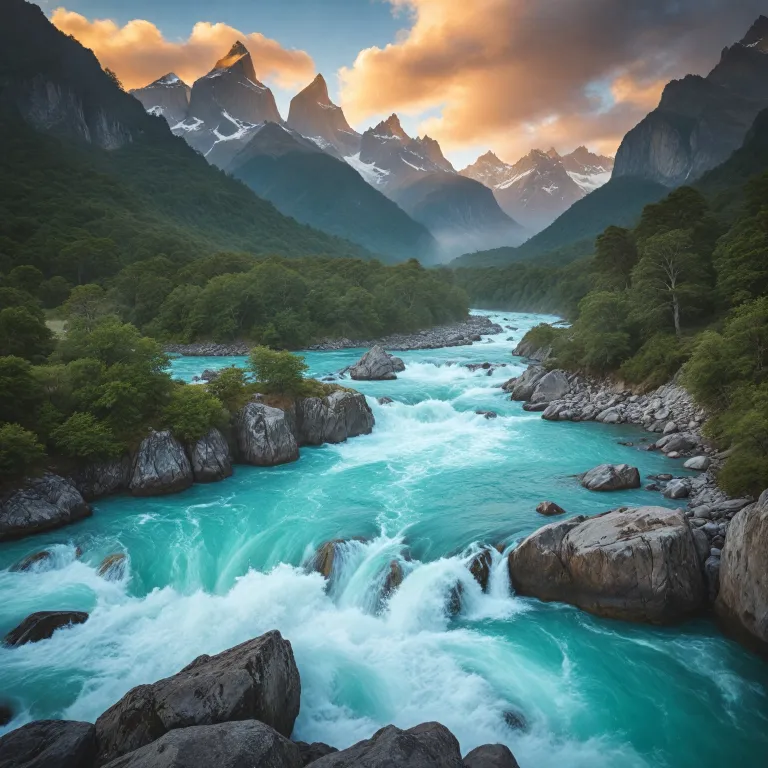
Futaleufú in context: Patagonian elegance between Chile and Argentina
Futaleufú is a remote river town in southern Chile, framed by deep forests and snow capped peaks. In this quiet corner of the Los Lagos region, the futaleufu valley stretches towards the border with Argentina and opens onto some of Patagonia’s most dramatic scenery. Luxury minded travellers find a rare balance here between raw whitewater energy and refined comfort after each demanding day outdoors.
The futaleufu river, also known locally as rio Futaleufú, flows in from Argentina and carves turquoise channels through granite canyons. Along its banks, carefully designed camps and premium lodges offer direct access to rapids while preserving the serenity that defines this part of Chile. The municipality works with CONAF to protect the surrounding Futaleufú National Reserve, ensuring that every trip respects fragile ecosystems and supports long term conservation.
Reaching the town requires planning, yet the journey becomes part of the experience and sets the tone for a slower, more intentional stay. Many travellers arrive via Puerto Montt in the lake district, then continue by road along the Carretera Austral through the lush lagos region. Others cross from Argentina, combining Chile Argentina itineraries that link Bariloche, Esquel, and the Futaleufú valley in a single, carefully curated route.
With only around two thousand inhabitants, Futaleufú feels intimate, but its hospitality scene is increasingly sophisticated. Properties emphasise spacious suites, river views, and personalised guiding, rather than sheer room numbers or anonymous service. For guests, this means time to connect with guides, understand the river, and appreciate why futaleufu rafting has become a benchmark for whitewater enthusiasts worldwide.
Access, logistics, and the art of planning a refined Futaleufú trip
Planning a futaleufu trip begins with understanding distances, transfers, and how many days you will need. Most visitors fly into Puerto Montt, then continue by regional flight or ferry to Chaitén before driving the remaining miles to the town. This route through the los lagos region offers sweeping views of the lake district and makes the transition from urban Chile to remote Patagonia feel gradual and luxurious.
Another elegant option links Chile Argentina gateways, using Bariloche or Esquel as starting points for a cross border journey. From these Argentine hubs, travellers follow paved roads towards the frontier, then cross into Chile near Futaleufú where the river and rio Azul converge. Immigration formalities at the border are usually straightforward, but premium agencies coordinate timings so that transfers, check in, and even welcome drinks align seamlessly.
Once in the area, guests often rely on a mix of private vehicles and scheduled services such as the bus Futaleufú route that connects smaller settlements. High end lodges typically include transfers from Chaitén or from the junction near Santa Lucía, reducing logistical stress and allowing more time to enjoy the landscape. Some itineraries also weave in Puerto Varas, using this refined town in the lake district as a staging point before heading deeper into Patagonia.
Because weather and river levels shape each day, flexibility is essential when planning whitewater rafting or fly fishing. Luxury operators build in contingency time, offering alternative excursions to the Futaleufú National Reserve or to nearby lakes if rapids become too intense. This approach respects the power of the futaleufu river while ensuring that every day still feels purposeful, comfortable, and aligned with guest expectations.
Rivers, rapids, and refined whitewater experiences in the Futaleufú valley
The futaleufu river is widely regarded as one of the world’s premier whitewater destinations. Its rapids range from playful waves to powerful whitewater that challenges even seasoned rafters, yet calm pools between sections allow time to breathe and admire the scenery. For travellers seeking both adrenaline and comfort, futaleufu rafting combines expert safety standards with high touch service on and off the water.
Operators base their programs around different stretches of rio Futaleufú, tailoring each day to guest ability and river conditions. Some sections are ideal for introductory whitewater rafting, while others deliver intense rapids that attract international athletes and guides. The nearby rio Azul adds variety, offering crystal clear channels that are perfect for shorter outings or for guests who prefer gentler currents.
“Futaleufú is renowned for its world-class whitewater rafting and kayaking on the Futaleufú River.” This reputation shapes the entire hospitality ecosystem, from the design of riverside camp facilities to the training of multilingual guides. Many luxury camps feature hot tubs overlooking the river, gourmet Patagonian cuisine, and quiet reading areas where guests can unwind after demanding hours in the rapids.
Time on the water is carefully structured, with safety briefings, equipment checks, and support kayakers accompanying each raft. Guests often alternate intense rafting days with slower excursions, such as fly fishing on quieter stretches or hiking to viewpoints above the futaleufu valley. This rhythm allows the body to recover while still making the most of limited days in this remote corner of Chile.
Staying in style: camps, lodges, and premium services around Futaleufú
Accommodation around Futaleufú has evolved from simple river camp setups to sophisticated lodges that still feel rooted in Patagonia. Many properties sit above the futaleufu river or rio Azul, offering panoramic views of snow capped ridges and the Tres Monjas peaks. Architecture often blends native wood, stone, and large windows, creating a sense of immersion without sacrificing warmth or privacy.
High end camps along the river focus on comfort between rafting sessions, with heated tents, plush bedding, and curated communal spaces. Guests might wake to the sound of rapids, enjoy a slow breakfast, then walk a few minutes to the put in for another day of futaleufu rafting. Even in these semi remote settings, service standards mirror those of urban luxury hotels, with attentive staff, refined menus, and thoughtful touches such as evening turndown.
In and around the town, small lodges provide a different style of stay, closer to local life and the services of Futaleufú Municipality. From here, it is easy to stroll to cafés, meet guides, or arrange side trips to the Futaleufú National Reserve and nearby lakes. Some itineraries combine several nights in town with several nights in a river camp, giving guests both cultural contact and deep immersion in the valley.
Premium operators also coordinate regional extensions, linking Futaleufú with Puerto Varas, Puerto Montt, or even further south along the Carretera Austral. Travellers might spend a day exploring the lagos region, then continue towards Chaitén and on to camp for a multi day whitewater program. This layered approach turns a single trip into a broader exploration of Patagonia while maintaining consistent standards of comfort and personalised service.
Beyond the rapids: nature, culture, and cross border itineraries
While whitewater remains the headline attraction, a futaleufu trip can easily extend beyond rafting. The surrounding Futaleufú National Reserve protects native forests, rivers, and wildlife, offering hiking trails with views over the futaleufu valley and its snow capped summits. Guided walks introduce guests to local flora, birdlife, and the broader environmental efforts led by CONAF and regional partners.
Anglers are drawn by fly fishing opportunities on the futaleufu river, rio Futaleufú tributaries, and the clear waters of rio Azul. Expert guides help guests read currents, select flies, and understand seasonal patterns, turning each day on the water into a patient, meditative experience. Many luxury lodges provide dedicated gear rooms, drying facilities, and flexible meal times so that fishing schedules can follow the best light and river conditions.
Culturally, the town maintains a relaxed rhythm, with local festivals, artisan markets, and everyday life centred around the plaza. Travellers often combine time here with visits to Villa Santa Lucía, Chaitén, or Puerto Varas, creating a narrative that links small communities across the los lagos region. Cross border itineraries may also include Argentine towns, allowing guests to experience both sides of Chile Argentina Patagonia in a single, cohesive journey.
For those planning wider Chile itineraries, it can be helpful to pair Futaleufú with more urban experiences. Resources such as elegant day trips from Santiago for luxury minded travellers offer inspiration for balancing city sophistication with Patagonian wilderness. This contrast highlights just how distinct a few days in a remote river valley can feel compared with time in Chile’s capital or in larger lake district hubs.
Choosing the right time, route, and style for your Futaleufú stay
Selecting the right time for a futaleufu trip is crucial, especially for guests focused on rafting or fly fishing. The main season runs through the warmer months, when river levels, daylight hours, and temperatures align for multi day programs. During this period, the futaleufu river and rio Futaleufú offer reliable rapids, while the surrounding national park trails remain accessible and inviting.
Travellers should consider how many days they will allocate to the valley and whether they prefer a single base or a combination of town and camp. A common pattern involves three to five days of futaleufu rafting, interspersed with rest days for hiking, fly fishing, or gentle whitewater rafting on calmer sections. Those with more time may add side trips to Puerto Montt, Puerto Varas, or along the Carretera Austral towards Villa Santa Lucía and Chaitén.
Route planning also involves choosing between Chile based access via the los lagos region and cross border approaches from Argentina. Each option has its own character, from the maritime landscapes near Puerto Montt to the high lakes and passes that link Chile Argentina corridors. Luxury travel designers often weave both into a single itinerary, ensuring that transfers remain comfortable while still showcasing the diversity of Patagonia.
Ultimately, the most satisfying stays balance activity with rest, and adrenaline with quiet appreciation of place. Whether you are drawn by the rapids, the snow capped peaks, or the intimate scale of the town, Futaleufú rewards those who travel slowly. With thoughtful planning, every day in this remote valley can feel both exhilarating and deeply restorative.
Key statistics about Futaleufú and its environment
- Population of Futaleufú town and commune : 2 297 inhabitants.
- Total area administered by Futaleufú Municipality : 1 280 km².
- Average annual precipitation in the Futaleufú area : 2 081,2 mm.
Essential questions for planning a Futaleufú journey
What is Futaleufú known for ?
Futaleufú is renowned for its world-class whitewater rafting and kayaking on the Futaleufú River. This reputation draws expert guides, international guests, and investment in high quality safety equipment and hospitality. As a result, the town offers a rare combination of small scale charm and globally recognised adventure experiences.
How do I get to Futaleufú ?
Futaleufú can be accessed via airports in Esquel or Bariloche, Argentina, or through Chaitén in Chile. From these gateways, travellers continue by road, private transfer, or scheduled bus Futaleufú services into the valley. Many luxury lodges include coordinated transfers, simplifying logistics and ensuring a smooth arrival after long travel days.
What is the best time to visit Futaleufú ?
The best time to visit is during the summer months (December to March) for optimal weather and outdoor activities. During this period, river levels are generally favourable for futaleufu rafting and whitewater rafting, while trails in the Futaleufú National Reserve remain accessible. Longer daylight hours also allow more flexible daily schedules, from early fly fishing sessions to late evening views over the snow capped peaks.