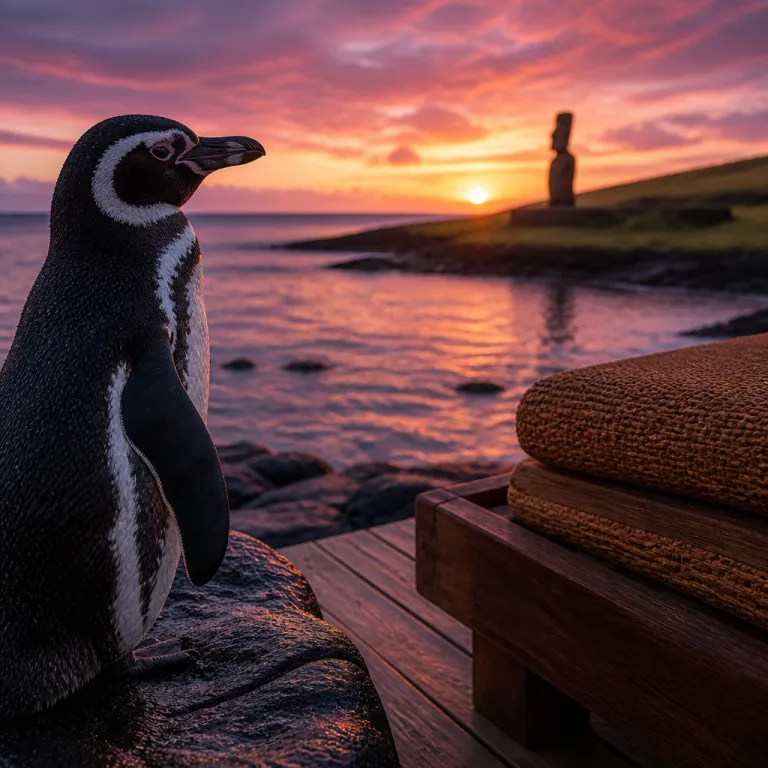
Isla de Chiloé penguins and the rise of refined coastal stays
The phrase “isla de Chiloé penguins” evokes wild shores, soft mist, and quiet luxury. On this remote island in southern Chile, high end travelers can watch Humboldt Penguins and Magellanic Penguins in their natural habitat while returning at night to refined suites overlooking the Pacific. This balance between raw nature and polished comfort defines the new generation of premium stays across the Chiloé archipelago.
Chiloé Island sits in the Los Lagos region, a short flight or scenic drive south from the Chilean central valley and the city of Puerto Montt. The island is linked to mainland Chile by ferries crossing the Chacao Channel, so your journey to see penguins on the isla feels like a gentle transition from urban life to maritime calm. Many travelers pair a stay on island Chiloé with a few nights in the Chilean Lake District around Puerto Varas, creating an elegant loop that blends lakes, forests, and ocean wildlife.
For guests focused on wildlife, the main draw is the mixed penguin colony near the Puñihuil Islets on the west coast of Isla Grande de Chiloé. Here, guided boat tours operate within marine protected areas, allowing you to observe penguins at respectful distances during carefully controlled hours. Local authorities such as SERNAPESCA and regional conservation groups regulate access and provide guidance, so eco friendly operators can offer binoculars, safety briefings, and naturalist commentary while keeping the experience intimate and exclusive for luxury travelers.
Planning a luxury penguin focused itinerary around Puñihuil
Thoughtful planning transforms a simple “isla de Chiloé penguins” excursion into a seamless luxury experience. The best time to visit the Puñihuil penguin colonies runs from September to March, when Humboldt Penguins and Magellanic Penguins arrive, nest, hatch chicks, and then molt. During this period, premium lodges and upscale hotels coordinate private transfers, timed departures, and expert naturalist guides to match the wildlife calendar.
Most high end travelers base themselves near the city of Ancud or in the capital city of Castro, then arrange a full day outing to Puñihuil. From these towns on Chiloe Island, the drive to the penguin embarkation point usually takes around one to two hours, depending on road conditions and photo stops along the rugged coast. Many guests choose to split their stay between the northern part of island Chiloé and the southern part of Isla Grande, combining wildlife watching with visits to wooden churches and quiet fishing coves.
Luxury itineraries often extend beyond Chiloé to include the wider Lagos Region and the Chilean Lake District. Travelers might start with refined lakeside properties around Puerto Varas on a deep blue Chilean lake, then continue to the coast for penguin tours before flying onward to Easter Island for ultra exclusive ocean view suites; this arc is frequently highlighted in curated overviews of Chile’s most distinctive coastal and island stays. Such combinations allow you to experience both the green, rain washed landscapes of southern Chile and the volcanic isolation of Rapa Nui in a single, coherent journey.
Where luxury travelers stay on Chiloé for penguin watching
Accommodation choices around the “isla de Chiloé penguins” experience range from intimate coastal lodges to polished design forward hotels in Castro and Ancud. On the northern part of Chiloe Island, some premium properties overlook the Chacao Channel, giving guests sweeping views of passing ferries, seabirds, and distant volcanoes in the Chilean Lake District. These stays often feature spa facilities, heated pools, and refined Chilean cuisine that highlights local seafood and produce from the central valley.
In and around the city of Castro, luxury minded travelers will find architecturally striking hotels built on stilts above the water, echoing the traditional palafito houses of the Chiloe archipelago. Suites here often frame the changing light over the bay, while concierge teams arrange private transfers to Puñihuil, visits to UNESCO listed wooden churches, and curated tastings of Chilean wines. Many guests pair these coastal nights with stays in some of Chile’s finest premium hotels with sea views from Patagonia to Easter Island, creating a continuous thread of ocean facing luxury across South America.
For travelers who value privacy, several upscale lodges are set in rural corners of Isla Grande, surrounded by native forest and rolling fields. These retreats often operate as all inclusive properties, where a full day might include a guided tour to the penguins, a walk through a nearby national park, and an evening tasting menu paired with Chilean Lake District wines. When evaluating options, look for properties that explicitly support Chiloe National Park conservation projects or local community initiatives, as this alignment between comfort and responsibility is increasingly central to high end travel in southern Chile.
Linking Chiloé penguins with Patagonia and the Chilean Lake District
Many discerning travelers do not treat “isla de Chiloé penguins” as a standalone goal; they weave it into a broader exploration of Patagonia and the Lagos Region. A classic route begins in the Chilean central valley, continues south to the city of Puerto Montt, then moves inland to Puerto Varas on the shore of a serene Chilean lake. From this Lake District base, guests can enjoy volcano views, national park hikes, and refined lakeside dining before crossing the Chacao Channel to island Chiloé.
Once on Chiloe Island, the contrast with the Lake District becomes immediately clear, as the landscape shifts from snow capped peaks to green hills, fishing villages, and the Pacific facing coast. Travelers often allocate at least two or three full day segments to explore the Chiloe archipelago, including Puñihuil, Castro, and the western coastline near Chiloe National Park. Afterward, some itineraries continue south into deeper Patagonia, where fjords, glaciers, and remote national park lodges extend the sense of wild luxury, while others return to Santiago to connect with flights toward Easter Island or other Chilean regions.
For those who appreciate a strong narrative thread in their journey, it helps to think of this route as a continuous story of water. You begin among the vineyards and rivers of the central valley, move to the deep lakes of the Los Lagos Region, cross to the ocean facing island of Chiloé to see penguins, then sail or fly onward to coastal properties highlighted in many guides to benchmark luxury stays in Santiago and beyond. Each step connects Chile’s varied waterscapes, while your choice of hotels and lodges shapes how comfortable and immersive that story feels.
Cultural depth: wooden churches, Chilote cuisine, and coastal traditions
While wildlife may draw you with the promise of “isla de Chiloé penguins”, the island’s cultural fabric often becomes an equal highlight. Chiloé is renowned for its wooden churches, many of which are UNESCO World Heritage Sites and collectively known as the churches of Chiloé. These wooden churches, scattered across Isla Grande and smaller islands in the Chiloe archipelago, showcase a unique fusion of European and indigenous building traditions that feels distinct within South America.
Luxury travelers can arrange private guided tours that combine visits to several churches of Chiloé with tastings of local cuisine, including curanto, fresh shellfish, and potatoes grown in the damp soils of southern Chile. Such curated experiences often start from the city of Castro or nearby coastal villages, where high end hotels coordinate drivers, expert guides, and restaurant reservations. Between cultural stops, you may still glimpse penguins, sea lions, and marine birds along the coast, reinforcing how closely daily life here remains tied to the ocean.
Evenings on Chiloe Island lend themselves to slow, reflective moments in well designed lounges or spa areas. Guests might review photos from their Puñihuil penguin tour, plan the next full day in a nearby national park, or simply watch the tide shift below their room. This blend of cultural immersion, wildlife observation, and refined comfort is what makes island Chiloé such a compelling complement to more widely known destinations like the Chilean Lake District or the dramatic landscapes of Patagonia.
Easter Island exclusive stays and how they pair with Chiloé
Travelers who are already drawn by the “isla de Chiloé penguins” experience often look for another remote, meaningful destination to complete their Chile journey. Easter Island, or Rapa Nui, offers that counterpart, with its monumental moai statues, volcanic craters, and a small but sophisticated portfolio of luxury hotels. While Chiloé centers on penguins, wooden churches, and the green Los Lagos Region, Easter Island focuses on archaeology, Polynesian culture, and wide open Pacific horizons.
From a logistics perspective, many itineraries route guests from the Lake District or Puerto Montt back to Santiago before flying onward to Easter Island. High end travelers might spend a night or two in a leading Santiago property that has set a benchmark for urban luxury, then continue to Rapa Nui for four or five nights of all inclusive comfort. On Easter Island, full day excursions typically include guided walks through Rapa Nui National Park, private picnics near the coast, and stargazing sessions that contrast beautifully with the misty nights previously spent on Chiloe Island.
Pairing Chiloé and Easter Island allows travelers to experience two very different edges of Chile within a single, coherent narrative. One edge lies in southern Chile, where the Chiloe archipelago meets the cold Pacific and penguins thrive near Puñihuil; the other lies far out in the ocean, where Rapa Nui’s volcanic landscape rises in isolation from the rest of South America. For guests booking through a specialized luxury and premium hotel platform, this combination offers both logistical ease and a rich tapestry of experiences that move from penguin colonies and churches of Chiloé to moai lined shores and remote Pacific sunsets.
Key statistics about penguins and eco tourism on Chiloé
- The mixed colony near Puñihuil is one of the few places in Chile where Humboldt Penguins and Magellanic Penguins nest side by side in the wild; regional studies cited by Chilean conservation organizations describe it as one of the most accessible sites in South America to see both species together.
- Visitor numbers to the Los Lagos Region and the wider Lake District have risen steadily in recent seasons, reflecting broader eco tourism growth and increasing interest in combining Chiloe Island with Patagonia and the Chilean Lake District.
- Guided boat tours to the penguin colonies operate primarily between September and March, aligning with the arrival, nesting, chick hatching, and molting phases that define the most active wildlife viewing period on island Chiloé.
- Local conservation organizations and Chilean agencies emphasize that marine protected areas around the Puñihuil Islets help safeguard penguin habitat while allowing controlled tourism, which in turn generates funding and awareness for long term conservation efforts.
FAQ about Isla de Chiloé penguins and luxury stays
When is the best time to see penguins on Isla de Chiloé?
The prime season to see penguins on Isla de Chiloé runs from September to March, when Humboldt Penguins and Magellanic Penguins arrive, nest, raise chicks, and then molt near the Puñihuil Islets. During these months, luxury hotels and lodges coordinate departures to match optimal viewing hours and sea conditions. Shoulder months outside this window offer quieter stays but significantly reduce the chances of seeing active penguin colonies.
How can I visit the penguin colonies in comfort and safety?
Access to the penguin colonies is organized through guided boat tours that depart from the coast near Puñihuil on the western side of Isla Grande. High end travelers typically arrange these excursions through their hotel concierge, who selects reputable operators using appropriate safety equipment and eco friendly practices. Current visitor information from local authorities confirms that regulated boat tours are the recommended way to reach the colonies while minimizing disturbance to wildlife.
Are the penguin colonies on Chiloé protected areas?
Yes, the main penguin colonies near Puñihuil are part of marine protected areas that regulate boat traffic, viewing distances, and visitor numbers. These protections help safeguard nesting sites and feeding grounds for both Humboldt Penguins and Magellanic Penguins. Luxury travelers contribute to conservation by choosing operators and hotels that follow strict environmental guidelines and support local initiatives.
What should I wear and bring for a premium penguin tour?
Even on a luxury focused itinerary, conditions at sea can be cool and damp, so waterproof clothing and layered outfits are essential. Many travelers bring binoculars and cameras, although some high end operators provide quality optics as part of the tour. Non slip footwear, gloves, and a warm hat will keep you comfortable during the one to two hours typically spent on the water.
Can I combine Chiloé penguins with Patagonia and Easter Island in one trip?
It is entirely feasible to design an itinerary that links Isla de Chiloé penguins with the Chilean Lake District, Patagonia, and Easter Island. A common route moves from Santiago to Puerto Montt, continues to Puerto Varas and Chiloe Island, then returns to the capital for a flight to Easter Island. Luxury and premium hotel booking platforms in Chile can coordinate these segments, ensuring smooth transfers, well timed full day excursions, and a coherent narrative that spans multiple iconic regions.