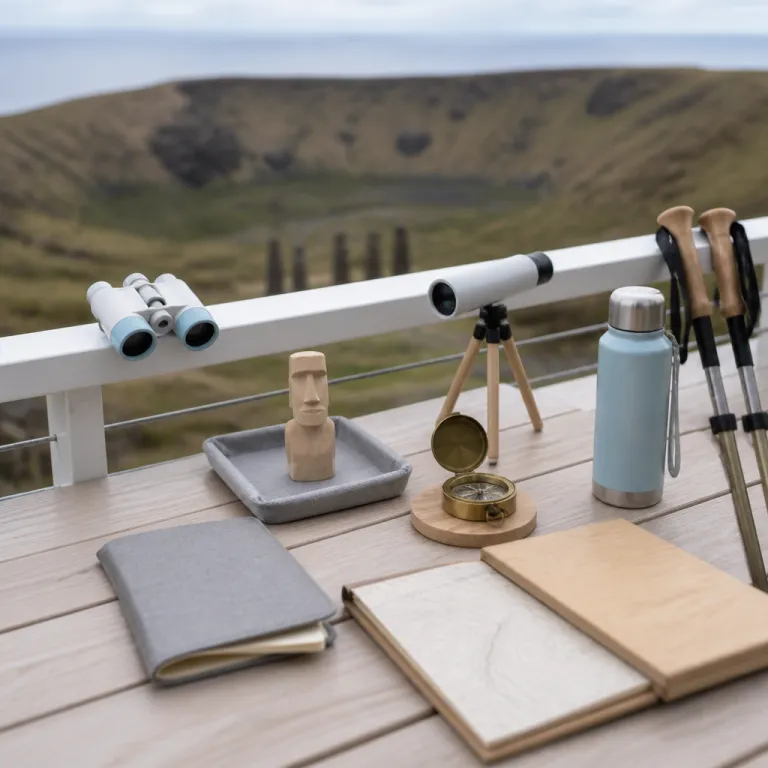
Rano Raraku Chile: where luxury stays meet sacred volcanic landscapes
Rano Raraku in Chile is a volcanic crater that shaped the soul of Rapa Nui. This extraordinary place, carved into the flank of the Raraku volcano, served as the main moai quarry for the island and still holds around 400 statues in different stages of completion. For travelers choosing luxury and premium hotels on Easter Island, understanding this landscape transforms a simple stay into a deeply curated cultural journey.
The Rapa Nui people, ancient sculptors of the island, carved moai statues from volcanic tuff using basalt picks and stone chisels. Today, high end properties near Hanga Roa design private tour experiences that bring guests face to face with these moai statues at dawn, when the light softens the volcanic slopes of the crater. A refined hotel concierge can arrange a private guide who explains how each statue and each ahu ceremonial platform once anchored social status, spirituality, and community memory.
Rano Raraku sits inside Rapa Nui National Park, a UNESCO World Heritage site that protects the wider volcanic landscape of Easter Island. From a premium hotel, you can reach this national park in less than an hour by vehicle, crossing rolling grasslands and passing other island ahu sites that frame the road. The best properties time their guided experiences so guests visit the Raraku quarry when crowds thin, allowing quieter contemplation of each moai carved face and the surrounding meters high slopes of the Raraku volcano.
Choosing a luxury base near Hanga Roa for Rano Raraku and Ahu Tongariki
Hanga Roa is the only town on Easter Island and the natural base for visiting Rano Raraku Chile. Most luxury and premium hotels cluster near the coast, giving guests sea views while remaining close to the island moai sites and the airport. From here, curated excursions to the Rano Raraku crater and the iconic ahu Tongariki platform can be combined with fine dining and spa rituals back at your hotel.
When comparing properties, look for hotels that employ accredited local guides for every tour Easter program into Rapa Nui National Park. Current regulations require visitors to purchase a park ticket in advance and follow marked paths; in practice, most travelers explore Rano Raraku with a certified guide who interprets the site and reinforces rules such as: "Respect local customs. Stay on designated paths. Do not touch moai." A responsible hotel will integrate these principles into its guest briefings, ensuring that each visit to the moai quarry at Rano Raraku supports conservation rather than damage.
Some of Chile’s finest premium hotels with sea views, especially those highlighted in this curated overview of Chile’s finest premium hotels with sea views, already feature tailored packages for Easter Island. These stays often include sunrise at ahu Tongariki, followed by a private transfer to the Raraku quarry and the Raraku moai fields that dot the volcanic slopes. Guests typically return to Hanga Roa after 45 to 60 minutes of driving, in time for a tasting menu that draws on Pacific ingredients, while the concierge quietly arranges the next day’s visit to Rano Kau and the dramatic Kau volcano cliffs.
Designing an Easter Island itinerary around Rano Raraku Chile
A thoughtful itinerary on Easter Island starts with context, then moves toward immersion at Rano Raraku Chile. Many luxury travelers begin with a half day tour of Hanga Roa, visiting the small museum and a nearby island ahu to understand how each statue once stood facing inland communities. Only after this introduction does a private guide lead guests toward the Raraku volcano and its crater, where the moai carved from volcanic tuff still lie partly buried on the slopes.
Rapa Nui National Park covers much of the island, including Rano Raraku, Rano Kau, and the coastal ahu Tongariki alignment. A premium hotel can arrange a multi day tour Easter program that links these volcanic landmarks into a coherent narrative about the Rapa Nui people. One day might focus on the moai quarry at Raraku, another on the Kau volcano crater lake at Rano Kau, and a third on coastal island moai platforms that frame the wild Pacific.
For travelers comparing Chile’s islands, a dedicated guide can also help you connect your stay on Isla Pascua, the Spanish name for Easter Island, with other remote destinations. This is where curated collections such as Chile islands of distinction luxury stays become valuable, as they frame Rapa Nui alongside Patagonian fjords and other island Easter experiences. By anchoring your trip around Rano Raraku and its moai statues, you ensure that every additional place in Chile feels like an extension of a single, coherent journey.
Inside the Raraku quarry: what luxury travelers should know before visiting
Rano Raraku is not just a scenic volcano; it is the historical workshop where the Rapa Nui people shaped their identity. Archaeologists describe it as a combined moai quarry and ceremonial landscape, where nearly 400 statues remain in various stages of completion. Walking here with an expert guide, you see how each moai carved from the volcanic slopes was carefully detached, transported, and raised on an ahu elsewhere on the island.
The Raraku quarry lies on the eastern side of Easter Island, not far from the coast where ahu Tongariki faces the rising sun. From the rim of the crater, you can look down into the green interior, where a small lake reflects the volcanic walls and scattered statues. Luxury hotels often arrange timed entries so guests can experience this place with fewer people, allowing the silence of the national park to frame the distant ocean and the curves of the Raraku volcano.
Paths at Rano Raraku are clearly marked, and staying on them is essential to protect both the fragile volcanic soil and the moai statues. A well briefed tour Easter group will move slowly, pausing at viewpoints where the guide explains how many meters tall some statues are and how they were aligned with other island moai. For guests staying on Isla Pascua in premium properties, this attention to detail turns a standard visit into a rare, almost private encounter with the heart of Rapa Nui.
Pairing Rano Raraku with Rano Kau and other volcanic highlights in style
Rano Raraku Chile is only one of several dramatic volcanic sites that shape the profile of Easter Island. On the opposite side of the island, Rano Kau and the Kau volcano cliffs rise above the ocean, forming a vast crater filled with reeds and water. Many luxury itineraries pair a sunrise visit to the moai quarry at Raraku with an afternoon walk along the rim of Rano Kau, creating a full day of volcanic immersion.
From a premium hotel in Hanga Roa, the drive to Rano Kau takes only a short time, yet the atmosphere feels entirely different from the Raraku quarry. Here, the focus shifts from moai statues to geology, as your guide explains how the volcanic origins of the island created the platforms, or ahu, on which each statue once stood. Looking back toward the Raraku volcano from this vantage point, you gain a sense of how the Rapa Nui people used every part of their island Easter environment.
Some high end properties offer helicopter or small plane overflights that reveal the full shape of the crater at Rano Raraku and the sweeping curve of the coast near ahu Tongariki. While ground based tours remain essential for understanding the moai carved details and the sacred nature of each place, these aerial views help guests appreciate distances in meters and the overall layout of Rapa Nui National Park. Combined with slow, guided walks through the moai quarry, they create a layered, multi perspective understanding of Easter Island.
Curated luxury experiences: from Atacama to Rapa Nui and back
Many discerning travelers pair a stay on Easter Island with time in mainland Chile, especially the Atacama Desert or the wine valleys. A sophisticated itinerary might begin with a few nights in a premium lodge along the Punta Cachos Peninsula in the Atacama, such as those highlighted in this guide to luxury stays along the Punta Cachos Peninsula. From there, a direct flight to Isla Pascua brings you into the world of Rano Raraku Chile, where volcanic tuff replaces desert salt flats and moai statues replace adobe villages.
Luxury travel planners often design these journeys so that guests move from one national park to another, linking the high altitude landscapes of northern Chile with the oceanic isolation of Rapa Nui National Park. On Easter Island, days revolve around private access to the Raraku quarry, the island moai platforms, and the crater lakes of Rano Raraku and Rano Kau. Evenings return you to a refined hotel where tasting menus, spa treatments, and curated wine pairings frame conversations about the Rapa Nui people and their carved legacy.
By the time you leave Isla Pascua, the names of places such as ahu Tongariki, the Raraku volcano, and the Kau volcano cliffs will feel as familiar as any city. The best luxury hotels ensure that each tour Easter experience is paced, contextualized, and respectful, so that the moai quarry remains both accessible and protected. In this way, Rano Raraku Chile becomes not just a stop on an island Easter itinerary, but the emotional center of a wider Chilean journey.
How to choose the right premium hotel for a Rano Raraku focused stay
Selecting the right luxury or premium hotel on Easter Island can define how you experience Rano Raraku Chile. Start by asking how the property integrates Rapa Nui culture into its design, its cuisine, and its guided excursions to the Raraku quarry and other island moai sites. A hotel that collaborates closely with local communities and archaeologists will usually offer deeper insight into the moai carved heritage and the sacred nature of each ahu.
Examine how each property structures its tour Easter options within Rapa Nui National Park, especially for sunrise and sunset visits. Some hotels schedule early departures to reach ahu Tongariki before the main crowds, then continue to the Raraku volcano slopes while the light still flatters the volcanic textures of the statues. Others focus on late afternoon walks around the crater at Rano Raraku, when the low sun highlights every carved detail on the moai statues that still stand half buried in the hillside.
Finally, consider the balance between comfort and proximity to key sites such as Hanga Roa, Rano Kau, and the coastal island ahu platforms. A well located hotel will minimize transfer times in meters and minutes, leaving more space for unhurried exploration of the moai quarry and the wider island Easter landscapes. With the right base, every return from Rano Raraku feels like coming home to a sanctuary that understands both the volcanic power and the human stories of Rapa Nui.
Key figures and essential facts about Rano Raraku Chile
- Rano Raraku is a volcanic crater on Easter Island that served as the principal moai quarry, concentrating the majority of the island’s statues in one place (source: Chile Travel, archaeological summaries; UNESCO World Heritage Centre).
- Approximately 397 to 400 moai statues remain at Rano Raraku in various stages of completion, making it the single largest concentration of carved figures on Rapa Nui (source: Chile Travel, site data and park inventories).
- The main carving period at the Raraku quarry ran roughly between 1250 and 1500 AD, marking a sustained era of stone working innovation by the Rapa Nui people (source: archaeological timelines for Easter Island and peer reviewed studies).
- Rapa Nui National Park, which includes Rano Raraku, Rano Kau, and multiple coastal ahu platforms, holds UNESCO World Heritage status, underscoring its global cultural significance (source: UNESCO World Heritage Centre, Rapa Nui listing).
- Access to Rano Raraku is regulated through a park ticket system, and visitors must respect opening hours, marked trails, and conservation rules designed to protect both the volcanic landscape and the fragile moai statues (source: Chilean tourism authorities and park management guidelines).
Frequently asked questions about Rano Raraku and luxury stays on Easter Island
What is Rano Raraku and why is it important for visitors?
Rano Raraku is a volcanic crater and the primary moai quarry on Easter Island, where almost all statues were carved from volcanic tuff. For visitors, it is the most revealing place to understand how the Rapa Nui people created, shaped, and transported their moai statues. Luxury travelers often center their stay around this site because it combines dramatic scenery, archaeology, and cultural meaning in a single location.
How many moai are at Rano Raraku and can I see them all?
There are roughly 400 moai at Rano Raraku, including standing figures, half buried statues, and unfinished pieces still attached to the rock. While you cannot access every single statue up close, the marked paths and viewpoints allow you to see a large proportion of them from respectful distances. A knowledgeable guide will help you interpret which moai were completed, which remained in the quarry, and how they relate to other island ahu platforms.
Do I need a guide or organized tour to visit Rano Raraku?
Park regulations and ticketing are periodically updated, but visiting with an accredited local guide or organized tour is strongly recommended for safety, orientation, and cultural context. This approach supports the local community, helps you navigate current entry rules and fees, and protects the fragile moai carved surfaces from accidental damage. Most luxury and premium hotels on Easter Island include guided visits to the Raraku quarry and nearby sites such as ahu Tongariki in their excursion programs.
How do luxury hotels integrate Rano Raraku into their guest experiences?
High end hotels on Isla Pascua typically design curated itineraries that feature sunrise or sunset visits to Rano Raraku, often paired with stops at Rano Kau and coastal island moai platforms. They work with experienced guides who can explain the archaeological context, the carving techniques, and the cultural significance of each statue and ahu. Many properties also incorporate Rapa Nui art, storytelling, and cuisine into the stay, so that time at the moai quarry feels connected to life back at the hotel.
What should I keep in mind to visit Rano Raraku responsibly?
Responsible visits to Rano Raraku focus on staying on marked paths, following your guide’s instructions, and never touching the moai statues. The official visitor recommendations emphasize: "Respect local customs. Stay on designated paths. Do not touch moai." Choosing a hotel and tour operator that prioritizes conservation ensures that your experience supports the long term protection of Rapa Nui National Park. Checking current park hours, ticket validity, and any temporary restrictions before you travel will also help you plan a respectful, well timed visit.