Why Aysén beats the crowds of Torres del Paine for families
Patagonia stretches across southern Chile and Argentina, yet only Aysén still feels genuinely remote. In this least populated region of Chile, you trade the tour bus lines of Torres del Paine for empty fjords, quiet estuaries and a slower travel rhythm that suits families who value space and silence. For many parents, the promise of Aysén fjord kayaking in Chile is not only about comfort, it is about giving children a front row seat to raw nature without the stress of crowds.
On a typical day in peak season, Paine National Park and the famous Torres del Paine granite towers can feel busy, while an Aysén fjord might host only your small group and a few curious seals. That contrast matters when you are planning a multi day trip with younger travelers who tire quickly of queues, rigid schedules and over photographed viewpoints. In Aysén, the drama is still there — glaciers, marble caves, deep lake basins and the endless Carretera Austral — but the stage feels private, and that sense of exclusivity underpins the new wave of luxury Chile lodges here.
Families who have already ticked off San Rafael National Park or a classic Torres del Paine national park circuit often ask what will feel genuinely new. The answer lies in the water, not the peaks, and in the way fjord based itineraries weave paddling, short hikes and village visits into one fluid adventure. When you frame your next Chile trip around family friendly iceberg kayaking in Aysén, you are choosing a style of Patagonia that is softer on logistics yet deeper on connection, especially for children seeing South America for the first time.
Fjord based itineraries versus mountain based Patagonia trips
A mountain based Patagonia trip, whether around Torres del Paine or near Puerto Natales, usually revolves around long day hikes and wind exposed viewpoints. That model works beautifully for strong hikers, but it can leave younger children and less active grandparents on the sidelines, watching the adventure from the lodge window. A fjord focused route in Aysén shifts the center of gravity to the water, where kayaking, short coastal walks and gentle boat excursions share equal billing.
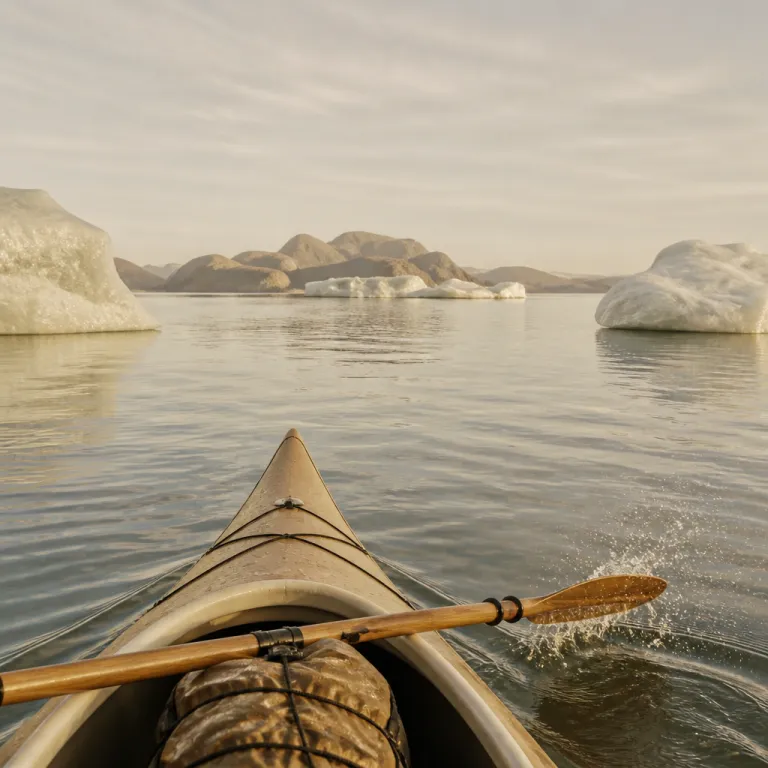
In the Aysén fjords, a typical luxury day might mean starting with a calm paddling session among icebergs calved from a nearby glacier, then returning to a warm pool and a slow lunch while the weather changes. Because the water is the main stage, guides can dial up or down the adventure level, offering tandem kayaks for nervous paddlers and sheltered coves for families trying sea kayaking for the first time. This flexibility is a major advantage over the more rigid trail systems in Paine National Park or around the granite towers of Torres del Paine.
There is also a different emotional cadence when your Patagonia days are shaped by tides rather than trail markers. Children tend to respond strongly to the immediacy of water — the splash of a paddle, the crack of ice near San Rafael, the quiet approach of a curious seabird — in a way that feels more playful than a long uphill hike. One local guide in the Exploradores Valley likes to pause mid channel and ask everyone to stop paddling for a minute, letting families hear the creak of distant ice and the drip of meltwater on the kayak hull. If you are weighing a classic del Paine trek against an Aysén fjord itinerary, consider pairing them, using a luxury base in Chilean Patagonia’s mountains and then shifting north to Aysén for a softer, water led finale that still feels like serious adventure travel.
How luxury lodges in Aysén make iceberg kayaking family friendly
The emerging lodge scene in Aysén borrows the Awasi Patagonia model of low key architecture, private guiding and tailored pacing, then adapts it to fjords and lakes. Properties along the Carretera Austral and around Lake General Carrera tend to be small, design forward and deeply plugged into their landscapes, with guides who know every cove, waterfall and marble outcrop. For families, the key advantage is that Aysén sea kayaking is not sold as an extreme sport, but as a curated experience that can be gentle or challenging depending on the day.
Take Mallín Colorado on the shores of Lake General Carrera, for example, which anchors many itineraries that combine the famous marble caves with quieter corners of the Baker River and the Exploradores Valley. From a comfortable base, you can choose a half day tour to the marble caves by boat, a full day paddling excursion on a calm lake, or a more demanding trip towards the front of a glacier, always with the option to keep one parent and a younger child back at the lodge. This modular approach is what separates luxury Chile properties in Aysén from more rigid operations in Puerto Natales or Punta Arenas.
Other well regarded bases include Puyuhuapi Lodge & Spa in the Ventisquero Sound, which combines hot springs with access to Queulat National Park, and Patagonia Accommodations near Puerto Río Tranquilo, often used for small group marble cave and Exploradores Glacier programs. Most high end lodges here work with local tour operators such as Huente Co or Exploradores San Rafael, who provide sea kayaks, dry suits and safety gear, and they are transparent about the fact that “Is prior kayaking experience required? Yes, due to challenging conditions.” For families, that means teenagers and confident adults can head out on a more serious paddling day among icebergs near the San Rafael Glacier, while younger siblings enjoy a gentler water based activity closer to the lodge. When you plan through a specialist platform such as this site and pair it with resources like a luxury Torres del Paine trek guide in Chilean Patagonia, you can build a multi region itinerary that feels coherent rather than stitched together.
Ice, marble and water: what a typical Aysén kayaking day looks like
A classic Aysén fjord kayaking day often begins in Puerto Aysén or at a nearby lodge, where guides check weather, tides and the latest glacier reports before committing to a route. Summer temperatures hover around 10 °C, so families suit up in thermal layers and dry suits before stepping into sea kayaks on water that may have floated down from the Northern Patagonian Ice Field. The first hour is usually about rhythm — learning to paddle in sync, feeling how the kayak responds and understanding how wind funnels through the fjord.
As confidence builds, the scenery sharpens into focus, whether you are gliding past blue icebergs near the San Rafael sector or tracing the sculpted shoreline near the marble caves of General Carrera Lake. Guides in this part of Chile often weave in quiet moments, cutting the chatter so families can hear the creak of ice, the distant crack of the Rafael Glacier or the wingbeat of a seabird overhead. Wildlife is never guaranteed, yet seals, penguins and various seabirds are frequent companions, and children quickly learn to scan the water surface for subtle movement.
Lunch might be taken on a pebble beach in a protected cove, with hot soup and fresh bread pulled from a dry bag while the kayaks rest above the tide line. In the afternoon, some groups push deeper into the fjord for a few more days of expedition style paddling, while most families return to their lodge for a hot shower, a swim and perhaps a quiet walk above the lake. That balance between real adventure and restorative comfort is the essence of luxury Chile in Aysén, and it is what keeps many travelers returning to this corner of South America instead of defaulting to the more famous parks further south.
Planning the journey: getting to Aysén and choosing the right base
Reaching the Aysén region requires a little more effort than flying straight to Puerto Natales or Punta Arenas, yet that extra step is exactly why the fjords remain so peaceful. Most families fly from Santiago to Balmaceda, then transfer by road towards Puerto Aysén, the Exploradores Valley or the shores of Lake General Carrera along the Carretera Austral. The drive from Balmaceda Airport to Puerto Aysén takes around 2.5 hours in normal conditions, while Balmaceda to Puerto Río Tranquilo on General Carrera Lake is closer to 4.5 to 5 hours. Others build a longer Chile travel arc, arriving via Puerto Montt and driving south along the Austral Highway, using a curated region by region guide to decide where to pause.
When you are weighing different bases, think in terms of water access rather than town names on a map. A lodge near the Baker River will suit families keen on rafting and fishing, while a property closer to San Rafael National Park or the mouth of the fjords is better for iceberg focused kayaking tours. Those drawn to the marble caves and the broader expanse of Lake General Carrera should look at stays around Mallín Colorado or other lakefront properties that can arrange both paddling and boat based excursions.
Seasonality matters, especially when you are planning a family kayaking holiday in Aysén with children who feel the cold more intensely. The main window for sea kayaking among icebergs runs from early summer through late summer, with December and January bringing the most stable conditions and March offering quieter days as visitor numbers drop. Typical full day guided kayak outings, including equipment and lunch, often range from about US$150 to US$250 per person, while high end lodges with private guiding can push total daily costs higher. Whatever month you choose, book tours in advance, check weather conditions before departure and remember that in this part of Chilean Patagonia, flexibility is a feature, not a flaw, of any well designed family adventure.
Is Aysén right for your family? Safety, skills and realistic expectations
Parents often worry that fjord kayaking near a glacier sounds too extreme for a family holiday, yet the reality on the water is more nuanced. Local tour operators in Aysén have refined their safety protocols over years of guiding in cold, changeable conditions, and they are clear about age limits and skill requirements. “Are there age restrictions? Typically, participants must be over 16.” is the standard line for the more demanding iceberg routes, while gentler lake and coastal outings can sometimes accommodate younger paddlers in tandem kayaks.
Because the water is cold and the weather can shift quickly, guides insist on proper thermal clothing, dry suits and safety gear, and they will cancel or reroute a tour if wind or ice conditions make paddling unsafe. Families with no prior kayaking experience should be honest about their comfort levels and consider starting with a calm lake day before committing to a full glacier focused trip. Those with experienced teenagers or adults who already enjoy paddling will find that the more ambitious Aysén itineraries feel like a natural progression from river or coastal trips elsewhere in South America.
Ultimately, the question is not whether Aysén is safer than Torres del Paine or the Atacama Desert, but whether its particular blend of water based adventure and lodge level comfort matches your family’s appetite for risk and reward. If you are drawn to the idea of waking up beside a quiet fjord, spending days on the water near ice and marble, then returning each evening to a warm, well run property, Aysén fjord kayaking in Chile is likely the right fit. For families who prefer dry trails, desert light and stargazing, a different Chile itinerary may be wiser, but the Aysén fjords will still be there when you are ready to explore them on their own terms.
FAQ
Do we need previous kayaking experience to paddle in the Aysén fjords ?
For the more demanding iceberg routes in the Aysén fjords, operators generally require that at least one adult in each kayak has prior paddling experience. The cold water, changeable winds and proximity to a glacier make boat handling skills and stamina important for safety. As one Puerto Río Tranquilo outfitter puts it, “We ask that at least one person per boat has experience in wind and waves, not just calm lakes.” Families without experience can still enjoy Aysén by starting with guided sessions on a calm lake or sheltered bay before considering a longer fjord tour.
What is the best time of year for family kayaking in Aysén ?
The main season for family friendly kayaking in Aysén runs from early summer through late summer, when daylight is long and average temperatures sit around 10 °C. December and January bring the most reliable conditions but also more visitors, while late season trips in March offer quieter fjords and cooler air. Outside these months, many operators reduce or pause kayak departures because of weather, light and safety constraints.
What wildlife might we see while kayaking among icebergs ?
Wildlife sightings vary by day, but families often see seals resting on ice floes, penguins near open water and a wide range of seabirds following the kayaks. In some sectors of San Rafael National Park, it is also possible to spot dolphins or occasional whales from the support boat rather than from the kayaks themselves. Guides encourage quiet moments on the water so children can listen for subtle sounds like the crack of distant ice or the splash of a surfacing animal.
How cold is the water and what clothing should we bring ?
Water in the Aysén fjords is fed by glaciers and remains very cold even in midsummer, so hypothermia is a risk without proper protection. Quality operators provide dry suits, gloves and safety gear, but families should still bring thermal base layers, wool socks, a warm hat and a waterproof outer layer for time on shore. Dressing in multiple thin layers rather than one thick garment helps everyone stay comfortable as the day warms or cools.
How far in advance should we book Aysén fjord kayaking and lodging ?
Because the luxury lodge market in Aysén is still small and highly seasonal, it is wise to secure accommodation and key kayaking tours several months in advance, especially for school holiday periods. Many properties operate with limited room counts and partner with only a few trusted local tour operators, so last minute availability can be scarce. Early planning also allows families to coordinate flights, road transfers and rest days, creating a smoother overall itinerary.