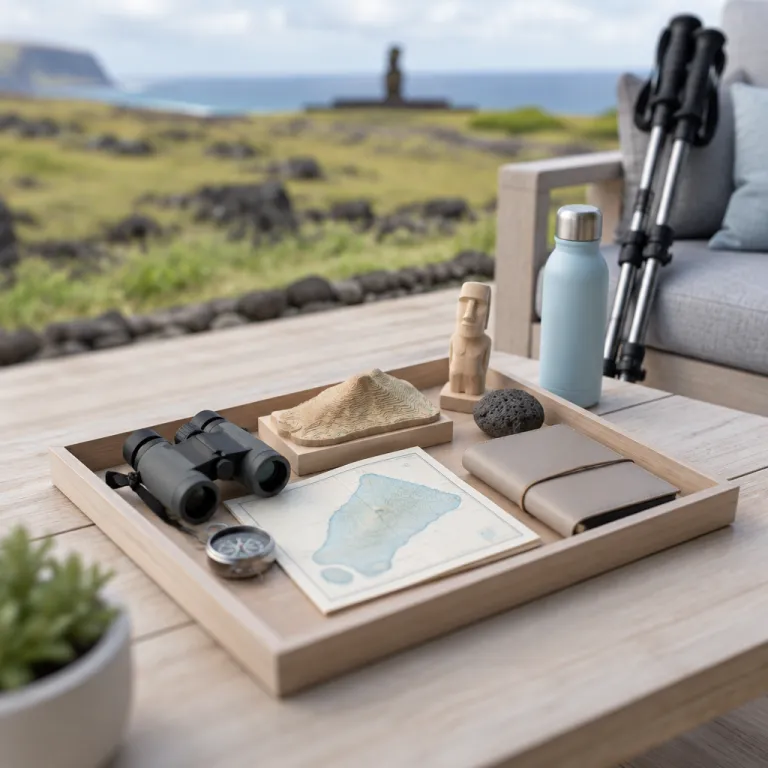
Elegant easter island tour planning from Santiago to the Pacific edge
Planning an easter island tour begins long before you land on the island itself. Luxury travelers usually start their trip in Santiago, using the capital as a refined gateway between mainland Chile and the remote Pacific world of Rapa Nui. This approach turns the journey from South America to the island into a curated experience rather than a simple transfer.
From Santiago, daily flights connect Chile with Easter Island, and the duration in hours pairs naturally with your chosen duration in days on the island. Many premium travelers schedule at least five island days to balance relaxation with guided island tours that focus on archaeological sites and coastal landscapes. Shorter stays of three duration days can work, yet they often feel rushed when you want to explore both the ancient culture and the contemporary life of Rapa Nui.
When you design a luxury easter island tour, think of it as a sequence of contrasting scenes. One day you might enjoy a rooftop view of Santiago’s Andes skyline, and the next you are stepping onto the runway of Mataveri Airport surrounded by the vast Pacific Ocean at the edge of Polynesia. This contrast between urban Chile and the remote island of Easter creates a powerful sense of travel in South America that few destinations can match.
Seasonality matters for every high end island tour, especially when you value comfort and privacy. The warmest period runs roughly from January–February through March–April, when the sea is inviting and evenings on the island are soft and breezy. Shoulder periods such as September–October and October–November often provide the best easter balance between pleasant temperatures, fewer crowds, and more attentive service from top tier properties.
Luxury travelers often coordinate their easter island tour with broader South America itineraries. Some pair Chile Easter stays with wine focused days in the Colchagua Valley, while others combine Rapa Nui with refined ski lodges in the Andes. For example, those seeking contrast between ocean and mountains frequently add a stay in the Lonquimay region, using a refined Andean mountain lodge near Corralco as a cool climate counterpoint to the island’s subtropical climate.
Because Easter Island belongs politically to Chile yet sits far from the South American mainland, logistics require careful planning. Flight schedules can shift, and premium cabins may sell out quickly during peak March–April and October–November periods, so early booking is essential. A well structured easter island tour itinerary always builds in buffer days in Santiago to absorb any changes without compromising your island days.
Choosing luxury hotels on Easter Island for view, privacy, and culture
Selecting a luxury hotel for your easter island tour is about more than thread count. On this island, the best properties integrate Rapa Nui culture, ocean view panoramas, and discreet service into a single coherent experience. You are not only booking a room in Chile; you are choosing how you will feel each time you step outside to face the moai statues and the endless sea horizon.
Many premium hotels sit slightly above the coastline, where the view stretches across the south and west of the island toward the open Pacific. This elevation allows you to watch the changing light across the moai and the rugged volcanic cliffs during different days of your stay. Some properties design their suites so that every island tour guest wakes to a direct view of the ocean and the silhouettes of ancient stone guardians.
For travelers who value seclusion, smaller luxury properties on Easter Island often limit the number of rooms to maintain privacy. This low key scale means staff can personalize each tour Easter activity, from private island tours at sunrise to curated tastings of Chile Easter wines at sunset. When you return from a long day exploring archaeological sites, the calm atmosphere and attentive service become as important as the day’s excursions.
Beach access is another key factor when planning your easter island tour accommodation. While the island is not a classic South America beach destination, select coves offer golden sand and gentle sea conditions suitable for swimming. Travelers who want to combine cultural immersion with coastal relaxation often compare Rapa Nui stays with other Chilean coastal retreats, using guides such as this elegant guide to the best beaches in Chile for luxury minded travelers to frame expectations.
Well designed luxury hotels on the island often incorporate elements of ancient Rapa Nui architecture. Curved lines echo the ahu platforms that support moai statues, and natural materials reference the volcanic origins of the island itself. These design choices help your easter island tour feel rooted in place rather than transplanted from mainland Chile or another part of South America.
When comparing properties, pay attention to how each hotel structures its island tours and experiences. Some include guided visits to major archaeological sites within the nightly rate, while others offer à la carte excursions that can be tailored to your preferred duration days and level of activity. The most rewarding stays usually blend structured touring with unhurried island days, allowing you to absorb the rhythm of Rapa Nui life at your own pace.
Designing an easter island tour itinerary around moai, volcanoes, and ocean
A thoughtful easter island tour itinerary balances the island’s headline sites with quieter moments. Most travelers arrive with images of moai statues in mind, yet the lived experience of Rapa Nui involves volcanic craters, wild coastline, and contemporary island culture. The best easter island tour plans weave these elements together over several days rather than rushing from one viewpoint to another.
One essential day focuses on Rano Raraku, the quarry where most moai were carved from volcanic tuff. Walking among half finished moai statues embedded in the hillside gives a powerful sense of the ancient labor and artistry that shaped the island’s identity. A knowledgeable guide can explain how these sculptures were transported across the island, turning your tour Easter visit into a deeper cultural experience rather than a simple photo stop.
Another classic island tour day traces the south and east coasts, where waves from the vast sea crash against black lava cliffs. Here you can explore ahu platforms where moai once stood facing inland, watching over the Rapa Nui people and their agricultural fields. These archaeological sites reveal how closely the island’s ancient society tied spiritual life to the land and the surrounding ocean.
Many luxury travelers structure their easter island tour around natural light. Sunrise at Ahu Tongariki, with its row of towering moai, offers a dramatic view as the sun lifts from the Pacific, while sunset near Hanga Roa paints the sky above the island rapa coastline in deep colors. Building your duration days around these moments ensures that your photographs and memories reflect the full emotional range of the island.
Some itineraries combine Easter Island with other Chile Easter highlights, especially for travelers exploring South America over several weeks. A popular pattern links Rapa Nui with the Atacama Desert or the wine valleys near Santiago, creating a sequence of contrasting landscapes within one extended trip. For those focused on coastal experiences, curated content such as this guide to Chile South America beaches and Easter Island luxury stays helps frame how the island fits into a broader maritime itinerary.
Because weather and ocean conditions can shift quickly around the island, flexibility is crucial. A well designed easter island tour always includes alternative plans for windy days when certain viewpoints are less comfortable, or for sea conditions that affect coastal walks. By allowing some unstructured island days, you give yourself space to return to favorite sites or simply sit with a panoramic view and absorb the quiet power of Rapa Nui.
Seasonality, duration days, and the best times for luxury stays
Timing your easter island tour correctly can transform a good trip into an exceptional one. The island’s subtropical climate means that travel is possible throughout the year, yet each period offers distinct advantages for luxury travelers. Matching your preferred style of stay with the right season is as important as choosing the right hotel.
The warmest and most popular months for an island tour generally span January–February through March–April, when daytime temperatures are high and the sea feels inviting. During these weeks, island days are long and bright, ideal for extended tours of archaeological sites and relaxed afternoons by the pool. However, demand for premium rooms and suites peaks as well, so travelers seeking the best easter balance of privacy and service should book far in advance.
Shoulder seasons such as September–October and October–November often appeal to discerning guests who value calm over crowds. During these periods, the island’s climate remains pleasant, yet there is more space at key viewpoints and along coastal trails. Guides can often adjust the pace of each tour Easter day to your preferences, turning each excursion into a more personal experience.
When planning duration days for your easter island tour, consider both your energy level and your broader South America itinerary. A minimum of three island days allows you to visit Rano Raraku, Ahu Tongariki, and key coastal sites, yet five or six days provide a more relaxed rhythm. With a longer stay, you can alternate intense touring days with quieter island days focused on spa treatments, ocean view dining, or independent exploration near your hotel.
Travelers combining Chile Easter stays with other regions of Chile or South America should also consider flight patterns. Many itineraries route through Santiago, where you might spend one or two days enjoying urban culture before or after your island tour. This structure not only breaks up long travel segments but also gives you flexibility if weather or operational changes affect flights to or from the island.
For those sensitive to climate, it helps to think of the year in four broad windows rather than strict months. January–February and February–March tend to be warm and lively, March–April and September–October feel balanced and comfortable, while October–November often brings slightly cooler evenings with clear skies. Aligning your easter island tour with the window that best matches your preferences ensures that each day on Rapa Nui feels tailored to your personal definition of comfort.
Immersive cultural experiences and responsible island tours on Rapa Nui
A luxury easter island tour today is as much about cultural respect as comfort. Rapa Nui is not only an island of moai statues and dramatic cliffs; it is a living community with its own language, traditions, and contemporary challenges. Travelers who engage thoughtfully with this reality often describe their trip as one of the most meaningful experiences in Chile or South America.
Guided visits to archaeological sites such as Rano Raraku, Orongo, and Ahu Akivi are central to any island tour. The most insightful guides, often of Rapa Nui heritage, explain how ancient engineering, astronomy, and social organization shaped the placement of moai and ceremonial villages. These narratives transform your view of the island from a remote outpost of Chile into a sophisticated Polynesian society with deep connections across the Pacific.
Responsible island tours also pay attention to environmental impact. The sea surrounding Easter Island is fragile, and coastal ecosystems can be affected by erosion and visitor pressure, especially during busy January–February and March–April periods. Choosing operators who limit group sizes, respect marked paths, and coordinate with local authorities helps preserve both the archaeological sites and the natural landscape for future island days.
Many premium hotels now integrate cultural programming into their easter island tour offerings. Evening talks by local historians, performances of traditional dance, and workshops on Rapa Nui carving or language give depth to your stay beyond daytime excursions. One Rapa Nui guide summed it up after a sunset visit to Ahu Akivi: “If you only see the statues, you miss the people who still care for them every day.” These experiences allow you to connect the ancient stories of nui Easter traditions with the realities of contemporary life on the island.
Food is another powerful lens through which to experience the island. Menus often highlight fresh fish from the surrounding sea, root vegetables, and fruits that have sustained the community for generations, paired with wines from mainland Chile. Dining with a view of the ocean or the silhouettes of moai statues at dusk can become one of the defining memories of your tour Easter journey.
As you plan your easter island tour, remember that Rapa Nui is both part of Chile and a distinct Polynesian culture within South America. Approaching each interaction with curiosity and respect enriches your own experience while supporting the community that cares for the island’s heritage. In this way, every luxury stay and every carefully guided island tour contributes to the long term preservation of one of the world’s most remarkable cultural landscapes.
How to compare and book premium easter island tour packages online
Booking a premium easter island tour through a specialized Chile focused platform can simplify a complex set of decisions. Luxury travelers often juggle questions about duration days, hotel categories, private versus shared tours, and connections through Santiago or other South America hubs. A well curated booking website brings these variables together in a transparent, easy to compare format.
When evaluating island tours online, start by examining how each package structures time on the island. Look for clear outlines of island days that specify which archaeological sites you will visit, how long you will spend at Rano Raraku, and whether sunrise or sunset experiences are included. Packages that simply list “moai statues” without detail may not provide the depth of interpretation that a serious traveler expects.
Next, compare the balance between guided activities and free time. A refined easter island tour usually includes at least two full days of structured touring, complemented by one or more flexible island days for independent exploration or spa time. High quality offers often allow you to adjust the duration days slightly, tailoring the schedule to your pace without losing access to key sites.
Transparency around seasonality is another marker of a trustworthy platform. Look for clear explanations of how pricing and availability shift between January–February, February–March, March–April, September–October, and October–November, rather than generic “high” and “low” season labels. Serious providers will also explain how weather patterns and sea conditions can affect specific excursions, especially coastal walks and boat based experiences.
For travelers combining Easter Island with other Chile Easter highlights, integrated itineraries can offer both value and coherence. Some platforms present multi region trips that link Rapa Nui with the Atacama Desert, Patagonia, or wine valleys near Santiago, using internal flights to minimize backtracking. When comparing these, pay attention to whether the island tour portion feels rushed or whether it preserves enough island days to fully experience Rapa Nui.
Finally, consider the level of personalization available once you arrive on the island. Premium packages often include the option to upgrade from small group tours to private guides, adjust daily start times, or add special experiences such as private dinners with an ocean view. The most satisfying easter island tour bookings are those where the online structure provides clarity, yet the on the ground team remains flexible enough to adapt to your interests and the island’s changing rhythm.
Combining Easter Island with wider Chile and South America journeys
Many travelers view an easter island tour as the centerpiece of a broader Chile or South America journey. Because the island sits far west of the continent, it naturally becomes a focal point around which other destinations are arranged. Thoughtful planning allows you to integrate Rapa Nui into a coherent narrative of landscapes, cultures, and experiences.
One classic pattern begins with urban days in Santiago, where you can adjust to time zones and enjoy Chile’s culinary scene. From there, you fly to Easter Island for an immersive sequence of island days focused on moai statues, archaeological sites, and the surrounding sea. After your island tour, you might continue to the Atacama Desert or Patagonia, creating a trip that spans from Pacific waves to high altitude salt flats or glacial fjords.
Another approach emphasizes coastal and island themes across Chile Easter and neighboring regions. Travelers might pair Rapa Nui with the beaches of northern Chile or the lake districts of the south, creating a chain of water focused experiences. In this context, the easter island tour becomes the most remote and culturally distinctive link in a wider South America itinerary.
For those with more time, it is possible to integrate Easter Island into a transcontinental South America journey. You might arrive in the continent through another gateway city, then route through Santiago before flying onward to the island. In such cases, careful attention to duration days and flight schedules ensures that your island tour remains unhurried despite the broader scope of the trip.
Regardless of the structure, Rapa Nui tends to leave a lasting impression that reshapes how travelers think about Chile and the wider Pacific. The combination of ancient stone figures, volcanic landscapes, and the endless view of the sea creates a sense of scale that few destinations can match. Many guests report that their easter island tour becomes the emotional anchor of their entire South America experience.
When planning complex itineraries, it often helps to work with specialists who understand both the logistics of Chile Easter travel and the cultural nuances of Rapa Nui. They can advise on the ideal sequence of destinations, the best easter seasonal windows for each region, and the number of island days required to do justice to the island’s heritage. With this level of planning, your journey through Chile and beyond becomes more than a series of flights and hotels; it becomes a carefully composed narrative with Easter Island at its heart.
Key figures for luxury travel and easter island tour planning
- According to Chile’s national tourism authorities, Easter Island receives roughly 100,000 visitors per year, a relatively low figure compared with other South America icons, which helps maintain an exclusive feel for luxury travelers.[1]
- Flight time between Santiago and Easter Island averages about 5 hours each way, so travelers should plan at least 4 to 5 island days to justify the long Pacific crossing.[2]
- Protected areas, including Rapa Nui National Park, cover around 40% of the island’s surface, which concentrates archaeological sites and requires visitors to follow regulated paths during guided tours.[3]
- Peak occupancy in top tier hotels often exceeds 80% during January–February and March–April, meaning premium suites can sell out several months in advance for those periods.[4]
- Average daytime temperatures on Easter Island range between 20 and 26 degrees Celsius across much of the year, providing a mild climate that supports year round travel and outdoor touring.[5]
FAQ about luxury easter island tour experiences
How many days should I spend on an easter island tour for a luxury stay ?
Most luxury travelers find that four to six island days provide the right balance between guided tours and relaxation. This duration allows time for Rano Raraku, key moai sites, coastal walks, and unhurried afternoons at your hotel. Shorter stays are possible, but they often feel compressed given the flight time from Santiago.
What is the best time of year for a premium easter island tour ?
The warmest and busiest period runs from January–February through March–April, when the sea is most inviting and days are long. Shoulder seasons such as September–October and October–November offer pleasant weather with fewer visitors, which many luxury guests prefer. The island’s climate remains mild year round, so the best time depends on your priorities for crowds and temperature.
Are private island tours worth the extra cost on Easter Island ?
For travelers seeking depth and flexibility, private island tours often justify their higher price. A private guide can adjust the pace, focus on specific archaeological sites, and time visits to avoid crowds at major moai platforms. This level of personalization is especially valuable for photography enthusiasts and culturally curious guests.
Can I combine an easter island tour with other destinations in Chile and South America ?
Yes, many itineraries link Easter Island with regions such as the Atacama Desert, Patagonia, or Chilean wine valleys. Most routes pass through Santiago, which serves as the main hub between the island and the rest of South America. Careful planning of duration days and flight connections ensures that the island portion of your trip remains relaxed.
Do luxury hotels on Easter Island include cultural experiences in their rates ?
Several high end properties integrate cultural programming such as lectures, performances, or workshops into their nightly rates. Others offer these experiences as optional add ons alongside standard island tours. When booking, review inclusions carefully to understand how each hotel supports engagement with Rapa Nui culture.