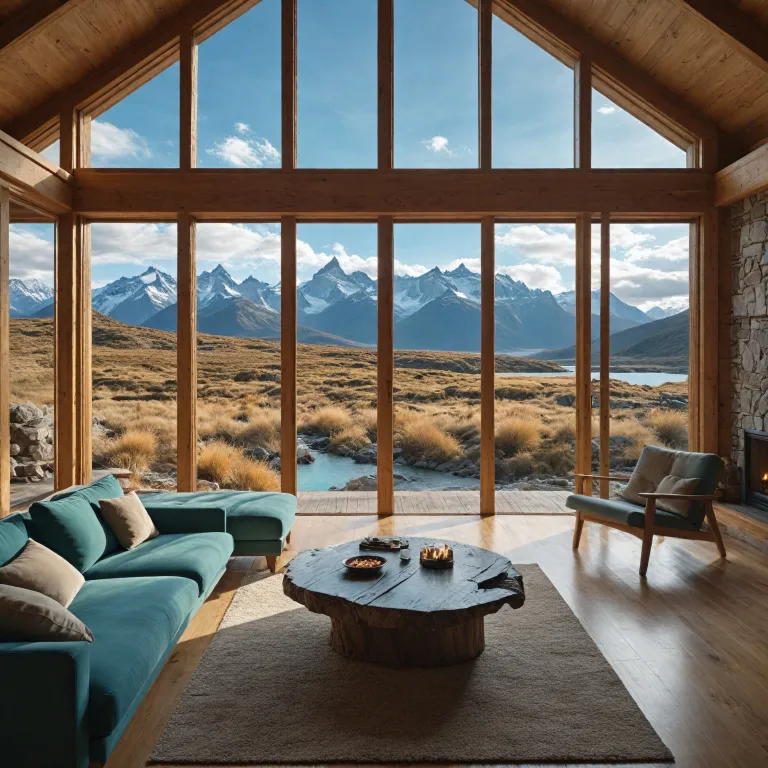
Luxury places to stay in Torres del Paine for demanding travelers
Choosing refined places to stay in Torres del Paine starts with understanding the park’s layout. Torres del Paine National Park stretches across a vast Patagonian landscape, so your chosen hotel, lodge, or camping base will shape every day of your stay. With distances long and weather changeable, location matters as much as comfort when you plan time in the park.
Within the park, you will find a spectrum of options, from simple camping areas to full service hotels with spa facilities and excellent reviews from international guests. Refugios such as Paine Grande or Chileno offer shared dormitories, central dining rooms, and easy access to the famous circuit trek routes, while adjacent camping areas provide a more independent experience. These refugios and camping sites suit travelers who want to stay close to the trails and keep costs lower without sacrificing access to the heart of Torres del Paine.
For travelers seeking more privacy and comfort, several hotels sit in privileged locations with wonderful views of the Paine Massif and the lakes. Hotel Las Torres stands at the foot of the iconic torres, giving direct access to the trail that leads to the base of the towers and allowing guests to start hikes at dawn. Nearby, EcoCamp Patagonia offers geodesic domes that blend sustainability with immersion in nature, while Hostería Pehoé provides simple rooms with a remarkable view over Lake Pehoé and the Cuernos del Paine.
Iconic hotels around las Torres and the central valleys
Many travelers searching for places to stay in Torres del Paine focus on the eastern side of the park near las Torres. This area places you close to the classic trek to the torres viewpoint, while still offering a range of hotel and camping choices for different budgets. It also provides relatively easy access from Puerto Natales, the main Patagonian gateway town located about 80 kilometres away by road.
Hotel Las Torres is one of the best known hotels Torres visitors choose when they want to be based at the trailhead. The property offers heated rooms, on site restaurant service, and guided excursions that help guests navigate the changing Patagonian weather safely. Many guests highlight the wonderful views of the Paine Massif at sunrise and the convenience of finishing a long hike and returning directly to a warm room and hearty food.
Close to the central valleys, you will also find options like EcoCamp Patagonia, which emphasises low impact stays while still providing comfort and character. Refugios and camping areas along the W and circuit trek routes, such as Paine Grande and Los Cuernos, allow hikers to stay inside the national park without long daily transfers. For travelers comparing premium properties across the country, an elegant guide to the best hotels in Chile can help you position Torres del Paine stays within a wider Chilean itinerary.
Río Serrano, Lago Grey and the southern park gateways
The southern sector offers some of the most strategic places to stay in Torres del Paine for travelers who value both comfort and flexibility. Along the Río Serrano valley, outside the official park gate yet very close to the entrance, a cluster of hotels lines the river with open views towards the Paine Massif. This area is ideal if you want a hotel spa, refined restaurant options, and easier vehicle access compared with more remote central locations.
Properties in the Río Serrano area, sometimes referred to collectively as the Serrano hotel sector, often feature large windows framing the torres del Paine skyline. Many of these hotels, including several with excellent reviews, offer all inclusive programs that bundle guided excursions, transfers, and full board food and wine. When you check availability, pay attention to whether rates include activities inside the national park or only accommodation and meals at the hotel.
Further west, the Lago Grey area offers another cluster of hotels and camping options with a different perspective on the park. From here, guests enjoy a direct view of Grey Glacier and easy access to navigation excursions on Lago Grey, as well as day hikes to viewpoints along the W trek. Travelers planning a broader Chilean journey that combines Torres Patagonia with Atacama or central wine regions can benefit from advice on how to find luxury hotels in Chile and coordinate logistics smoothly.
All inclusive lodges, hotel spa experiences and Patagonian food
For many visitors, the most memorable places to stay in Torres del Paine are the all inclusive lodges that combine accommodation, guiding, and gastronomy. Explora Torres is a leading example, set in a prime location with uninterrupted views of the Paine Massif and direct access to a wide range of excursions. Guests here typically choose programs that include full board, open bar, and daily guided outings tailored to fitness levels and interests.
Other properties, such as Hotel Lago Grey or certain Río Serrano hotels, also offer package style stays that simplify planning in this remote Patagonian region. A hotel spa can be particularly welcome after long days on the circuit trek or demanding day hikes, allowing muscles to recover while you enjoy the view from heated pools or saunas. When comparing hotels, look beyond the word “luxury” and focus on concrete details such as excursion quality, group sizes, and the flexibility to adapt plans to changing weather.
Food plays a central role in the experience, with many hotels and lodges highlighting local Patagonian ingredients like lamb, king crab, and fresh river fish. In house restaurant teams often design menus that balance hearty dishes for hikers with lighter options for guests spending a quieter day at the hotel. To deepen your wellness focused planning across Chile, you can consult a dedicated guide to luxury spa hotels in Chile and align your Torres del Paine stay with other restorative stops.
Refugios, camping and practical planning for the national park
Not every traveler seeking places to stay in Torres del Paine wants a full service hotel, and the park’s refugios and camping areas remain essential to its character. These mountain huts, such as Refugio Paine Grande, Refugio Chileno, and Refugio Los Cuernos, provide shared dormitories, simple beds, and communal meals close to the main trails. Adjacent camping areas, including Camping Paine Grande, allow trekkers to pitch tents while still accessing shared bathrooms and cooking shelters.
Because Torres del Paine is a UNESCO Biosphere Reserve and a fragile Patagonian ecosystem, regulations require that you camp only in designated areas. This means you must check availability well in advance, especially for the most popular sections of the W and circuit trek routes during peak season. Many travelers combine nights in refugios with nights in hotels, enjoying both the immersion of sleeping inside the park and the comfort of a private room before or after multi day hikes.
When planning, consider how long transfers from Puerto Natales will take and how early you want to start each day’s walk. Booking through official channels or specialised Patagonia agencies helps ensure that your reservations for camping, refugios, and hotels align logically with your chosen itinerary. “Book accommodations well in advance, especially during peak season.”
How to choose the best stay for your Torres del Paine itinerary
Selecting the best places to stay in Torres del Paine depends on your priorities, fitness level, and travel style. Some guests prefer to base themselves in one central hotel with a strong restaurant and spa, joining guided day trips to key viewpoints and returning each evening. Others design a point to point journey that links hotels, refugios, and camping nights along the W or circuit trek, accepting simpler comfort in exchange for deeper immersion.
When comparing options, read recent reviews carefully and look for patterns in how guests describe service, food, and logistics. Properties with consistently excellent reviews often stand out for attentive staff, clear communication about weather and trail conditions, and well organised transfers between Puerto Natales and the park. Pay attention to whether a hotel or lodge includes equipment such as trekking poles, waterproof gear, or packed lunches, which can significantly improve your experience in changeable Patagonian conditions.
Finally, think about seasonality and how it affects both availability and atmosphere across the national park. Shoulder months often bring fewer crowds and a more tranquil stay, while high season offers longer daylight hours but requires more advance planning for every hotel, refugio, and camping reservation. “The best time to visit is during the shoulder seasons (September-October and April-May) for fewer crowds and milder weather, though the peak season (November to February) offers the warmest temperatures.”
Key statistics for planning your Torres del Paine stay
- Annual visitors to Torres del Paine National Park : 252 000 people.
- Number of refugios operating within the park : 7 refugios.
- Average cost per night at refugios inside the park : 50 USD.
Essential questions about accommodation in Torres del Paine
Do I need to book accommodations in advance ?
Yes, it is highly recommended to book accommodations well in advance, especially during peak season, as options can fill up quickly. This applies to hotels, refugios, and camping areas, because capacity is strictly limited inside the national park. Early reservations also give you more flexibility to align your stays with specific hikes or excursions.
Are there budget friendly accommodation options within the park ?
Yes, options like refugios and camping sites offer more budget friendly accommodations compared to hotels and lodges. These choices still place you close to the main trails and viewpoints, making them ideal for trekkers who prioritise access over luxury. Many travelers mix budget nights in refugios with a final night in a comfortable hotel to rest before onward travel.
What is the best time to visit Torres del Paine National Park ?
The best time to visit is during the shoulder seasons (September-October and April-May) for fewer crowds and milder weather, though the peak season (November to February) offers the warmest temperatures. Each period has its own character, from spring flowers to autumn colours and stronger winds in midsummer. Your choice should balance trail conditions, availability, and the type of atmosphere you prefer during your stay.
Trustful expert sources
- Chilean National Tourism Service (SERNATUR)
- CONAF – Corporación Nacional Forestal (Chile)
- UNESCO World Network of Biosphere Reserves